
Wool Yarn for Premium Knitting Projects – Merino & Blend Options
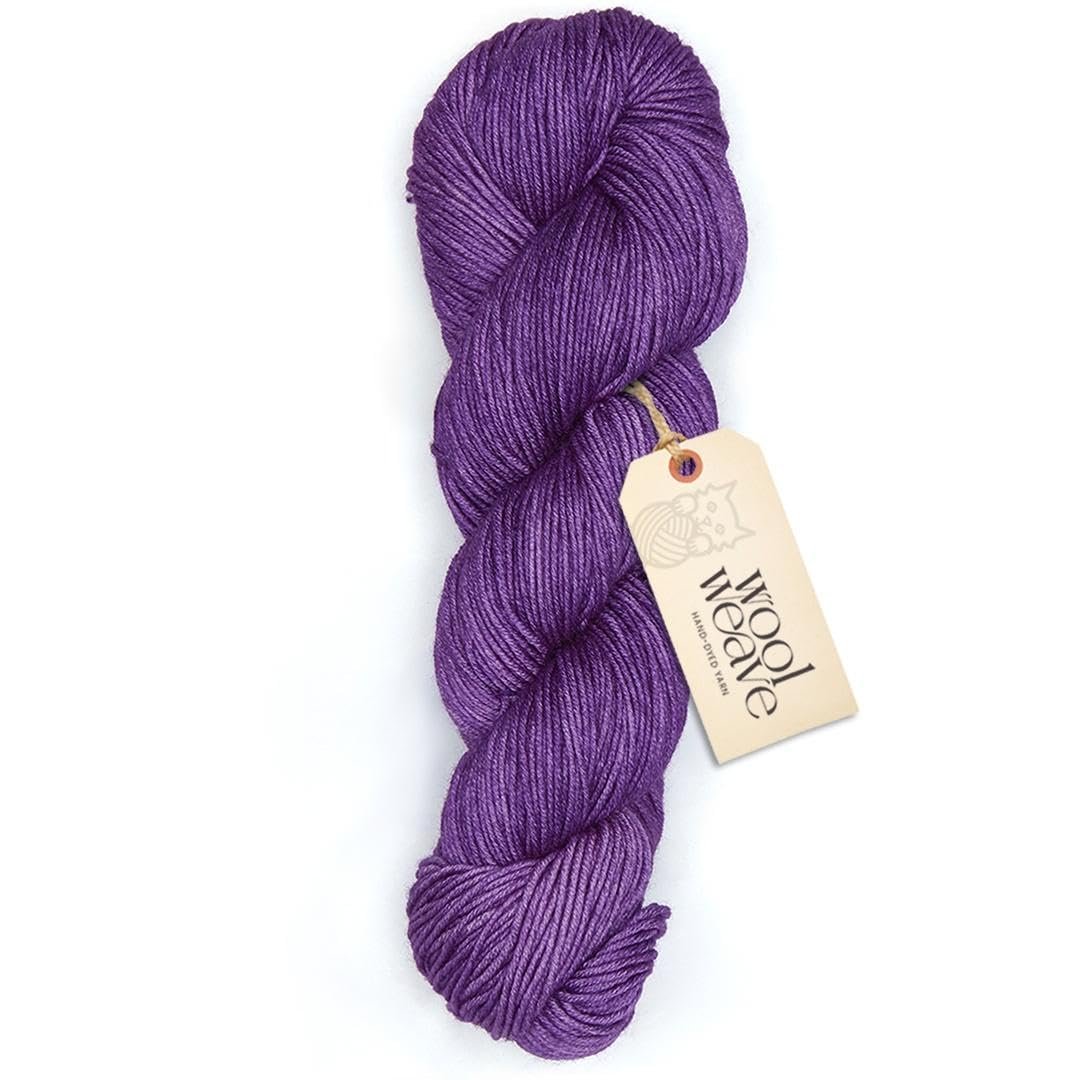
Premium Merino Wool Yarn – Worsted Weight
Ultra-soft 100% merino wool yarn perfect for garments and accessories. This premium yarn offers exceptional stitch definition and vibrant color retention. Machine washable and ideal for beginners and advanced knitters alike.
Key Features:
- 100% premium merino wool
- Worsted weight (4) versatility
- Machine washable care
- Superior stitch definition
- Vibrant colorfast dyes
- Beginner-friendly texture
- 200 yards per skein
- Available in 30+ colors
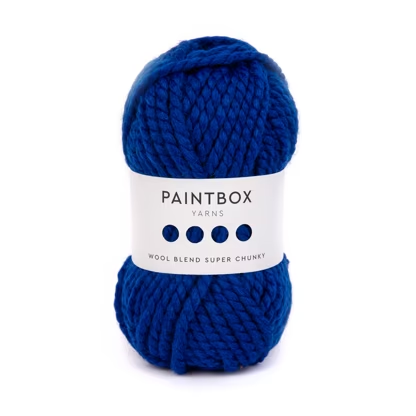
Wool Blend Chunky Knitting Yarn
Cozy wool blend combining merino wool with acrylic for durability and easy care. Features a chunky weight perfect for quick projects like blankets, hats, and scarves. Offers warmth without the bulk.
Key Features:
- 70% wool, 30% acrylic blend
- Chunky weight (5) thickness
- Quick-knitting projects
- Enhanced durability
- Easy care instructions
- Soft hand feel
- Machine wash and dry
- Excellent color selection
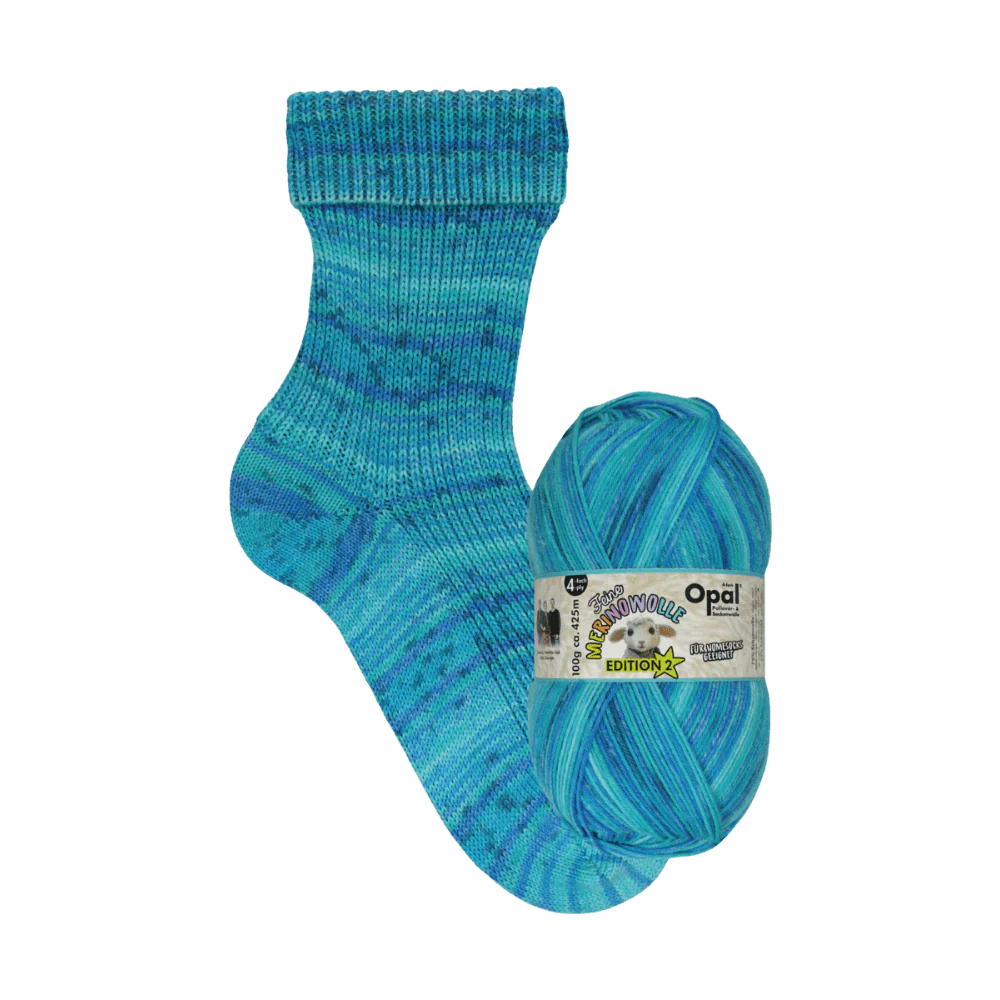
Fine Merino Sock Yarn
Specially engineered wool yarn designed for sock knitting with reinforced heel and toe areas. This fingering weight yarn provides excellent stretch recovery and moisture-wicking properties for comfortable everyday wear.
Key Features:
- Fingering weight precision
- Reinforcement fibers included
- Moisture-wicking technology
- Superior stretch recovery
- Antimicrobial properties
- Long-wearing durability
- Self-striping color options
- 400 yards per skein
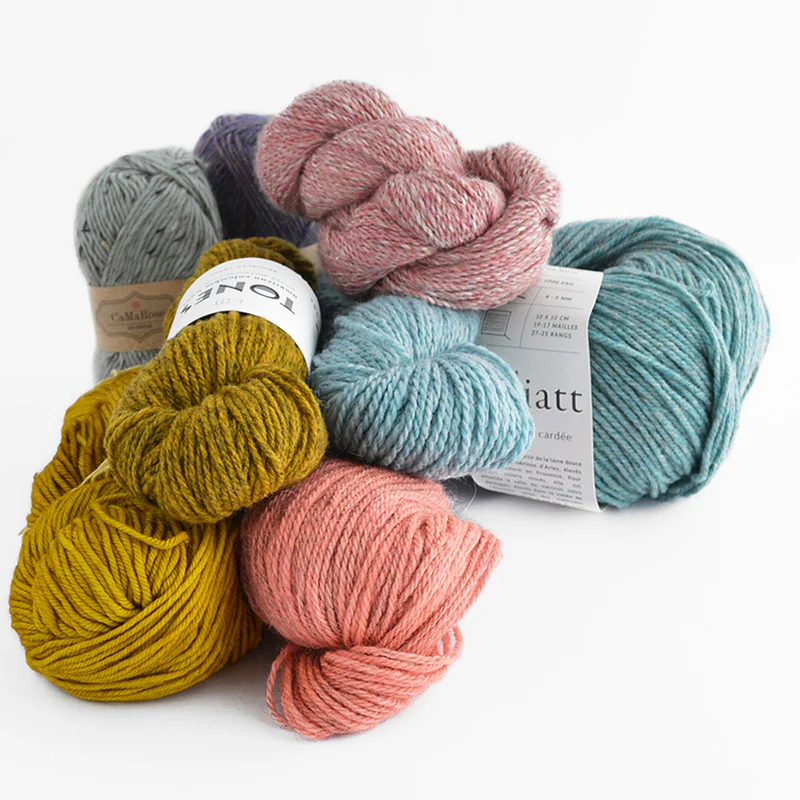
Luxury Wool Aran Weight Yarn
Traditional Aran weight wool yarn perfect for cable knitting and textured patterns. Made from high-quality wool fibers that showcase intricate stitch work beautifully. Ideal for sweaters, cardigans, and traditional Irish knitting patterns.
Key Features:
- Classic Aran weight (4.5)
- Cable knitting optimized
- Traditional wool composition
- Excellent stitch clarity
- Substantial fabric drape
- Professional finish quality
- Heritage colorways available
- Natural fiber breathability
Understanding Wool Yarn Types and Their Benefits
Wool yarn remains the gold standard for knitting projects due to its natural properties and versatility. The fiber structure of wool yarn provides excellent insulation, moisture-wicking capabilities, and durability that synthetic alternatives struggle to match.
Merino wool yarn stands out as the premium choice for knitters seeking the softest possible texture. This wool yarn variety comes from Merino sheep and offers finer fibers that feel luxurious against the skin. The natural crimp in merino wool yarn creates tiny air pockets that provide superior warmth without excessive bulk.
Wool Yarn Fiber Properties
The unique structure of wool yarn makes it naturally elastic and resilient. Each individual wool fiber can stretch up to 40% of its original length and return to its original shape, making wool yarn ideal for garments that need to maintain their fit over time.
Wool yarn also possesses natural flame-resistant properties and can absorb up to 30% of its weight in moisture without feeling wet. This makes wool yarn particularly suitable for outdoor garments and activewear where temperature regulation is important.
Merino Wool Yarn: The Premium Choice for Knitters
Merino wool yarn represents the finest quality available to knitters today. The fibers in merino wool yarn measure approximately 18-24 microns in diameter, significantly finer than regular wool yarn varieties that typically measure 25-40 microns.
This fine fiber diameter gives merino wool yarn its characteristic softness and eliminates the itchy sensation associated with coarser wool yarn types. Merino wool yarn drapes beautifully and creates garments with a professional, refined appearance.
Benefits of Merino Wool Yarn
Merino wool yarn offers superior temperature regulation compared to other natural fibers. The fiber structure allows air to circulate while maintaining insulation, making merino wool yarn comfortable in both warm and cool conditions.
The natural antimicrobial properties of merino wool yarn help prevent odor buildup, making it ideal for garments worn close to the skin. This wool yarn type also resists wrinkles naturally and maintains its shape even with regular wear.
Caring for Merino Wool Yarn Projects
Modern merino wool yarn often features superwash treatments that make it machine washable. However, hand washing remains the gentlest method for preserving the integrity of your wool yarn projects. Always use cool water and wool-specific detergents to maintain the natural properties of the fiber.
Wool Yarn Blends: Combining Best of Both Worlds
Wool yarn blends combine natural wool fibers with synthetic materials to create yarns that offer enhanced durability and easier care. These blended wool yarn options maintain many of the desirable properties of pure wool while adding practical benefits for everyday use.
Common wool yarn blends include wool-acrylic combinations that provide the warmth and breathability of wool yarn with the washability and affordability of synthetic fibers. Wool-nylon blends are particularly popular for sock yarn, as the nylon content adds strength and wear resistance.
Popular Wool Yarn Blend Ratios
The 80/20 wool-nylon blend represents the most common ratio for sock wool yarn, providing excellent durability while maintaining the natural properties of wool. For general knitting projects, 70/30 wool-acrylic blends offer a good balance of natural fiber benefits with easy care properties.
Wool yarn blends with silk create luxurious yarns that combine wool’s insulation properties with silk’s natural sheen and drape. These premium wool yarn blends work exceptionally well for special occasion garments and accessories.
Choosing the Right Wool Yarn Blend
Consider your project’s intended use when selecting wool yarn blends. Garments that require frequent washing benefit from wool-acrylic blends, while items that need maximum durability work well with wool-nylon combinations. For decorative items that prioritize appearance, wool-silk blends offer unmatched beauty.
Wool Yarn Weights and Their Applications
Understanding wool yarn weight classifications helps ensure project success and proper gauge. The Craft Yarn Council’s standardized system categorizes wool yarn from lace weight (0) to jumbo weight (6), with each weight suited for specific project types.
Worsted weight wool yarn (category 4) remains the most versatile choice for knitters. This wool yarn weight works well for sweaters, afghans, hats, and scarves, making it an excellent choice for building a yarn stash.
Lightweight Wool Yarn Options
Fingering weight wool yarn (category 1) excels for detailed work like socks, baby items, and lightweight shawls. This fine wool yarn allows for intricate stitch patterns and creates fabrics with excellent drape and detail definition.
Sport weight wool yarn (category 2) bridges the gap between fine and medium weights. This wool yarn weight works well for lightweight sweaters, children’s garments, and accessories that need more substance than fingering weight provides.
Heavy Weight Wool Yarn Choices
Chunky wool yarn (category 5) enables quick knitting for cozy projects like blankets and winter accessories. This thick wool yarn creates substantial fabrics perfect for cold weather garments and home décor items.
Bulky and super bulky wool yarn weights work excellently for statement pieces and projects where you want to showcase the yarn’s texture rather than intricate stitch work.
Essential Techniques for Working with Wool Yarn
Working with wool yarn requires specific techniques to maximize the fiber’s natural properties and ensure professional results. Proper tension control becomes particularly important with wool yarn due to its natural elasticity and tendency to felt when agitated.
Always create a gauge swatch when working with wool yarn, as the fiber’s stretch and recovery properties can significantly affect finished measurements. Block your gauge swatch using the same method you plan to use for the finished project to get accurate measurements.
Blocking Wool Yarn Projects
Wet blocking works exceptionally well with wool yarn projects, allowing the natural fibers to relax and settle into their proper position. Soak completed wool yarn projects in cool water with wool wash, then gently squeeze out excess moisture without wringing or twisting.
Lay wool yarn projects flat on blocking mats and shape them to the desired measurements. The natural properties of wool yarn allow for significant shaping during the blocking process, making it possible to adjust sizing and improve stitch definition.
Joining New Balls of Wool Yarn
The felting properties of wool yarn make it ideal for spit splicing, a technique that creates virtually invisible joins without knots. Slightly moisten the ends of both yarn pieces and overlap them, then rub vigorously between your palms to felt the fibers together.
For wool yarn blends with synthetic content, traditional joining methods like weaving in ends work better than spit splicing. Plan your joins at inconspicuous locations and leave adequate tail length for secure weaving.
Caring for Wool Yarn and Finished Projects
Proper care extends the life of both wool yarn skeins and completed projects. Store wool yarn in breathable containers away from direct sunlight and moisture to prevent fiber degradation and pest damage.
Cedar blocks or lavender sachets help deter moths that can damage wool yarn and finished projects. Avoid storing wool yarn in plastic bags for extended periods, as trapped moisture can lead to mildew or pest problems.
Washing Wool Yarn Projects
Hand washing remains the gentlest method for cleaning wool yarn projects, though many modern wool yarn varieties feature superwash treatments for machine washing. Use cool water and specialized wool detergents that maintain the pH balance necessary for wool fiber health.
Never use fabric softener on wool yarn projects, as it can coat the fibers and reduce their natural properties. Instead, a small amount of hair conditioner can help maintain softness if needed.
Storage and Maintenance
Fold wool yarn garments rather than hanging them to prevent stretching under their own weight. Use acid-free tissue paper between folds for long-term storage of special wool yarn projects.
Regular airing helps wool yarn projects maintain their freshness and allows the natural fibers to release any absorbed odors. The antimicrobial properties of wool yarn mean that projects often need less frequent washing than synthetic alternatives.
Frequently Asked Questions
Choosing the Perfect Wool Yarn for Your Next Project
Selecting the right wool yarn for your knitting projects involves considering factors like fiber content, weight, and intended use. Pure merino wool yarn offers the ultimate in softness and luxury, while wool yarn blends provide practical benefits for everyday items. Understanding these differences helps you make informed choices that result in beautiful, long-lasting projects.
The investment in quality wool yarn pays dividends in the finished project’s appearance, durability, and wearing comfort. Whether you choose premium merino wool yarn for special garments or practical wool blends for everyday items, the natural properties of wool fibers create superior results compared to synthetic alternatives.
Modern wool yarn options include treatments that make care easier while preserving the fiber’s beneficial properties. Superwash wool yarn brings the luxury of natural fibers to busy lifestyles, while traditional wool yarn maintains its place for projects where natural fiber authenticity matters most.
Start your next knitting adventure with confidence by choosing wool yarn that matches your project goals and skill level. The versatility and beauty of wool yarn ensure that your finished projects will be treasured for years to come, making every stitch a worthwhile investment in quality craftsmanship.