
Waterproof Fabric – Water Resistant Material for All Your Projects
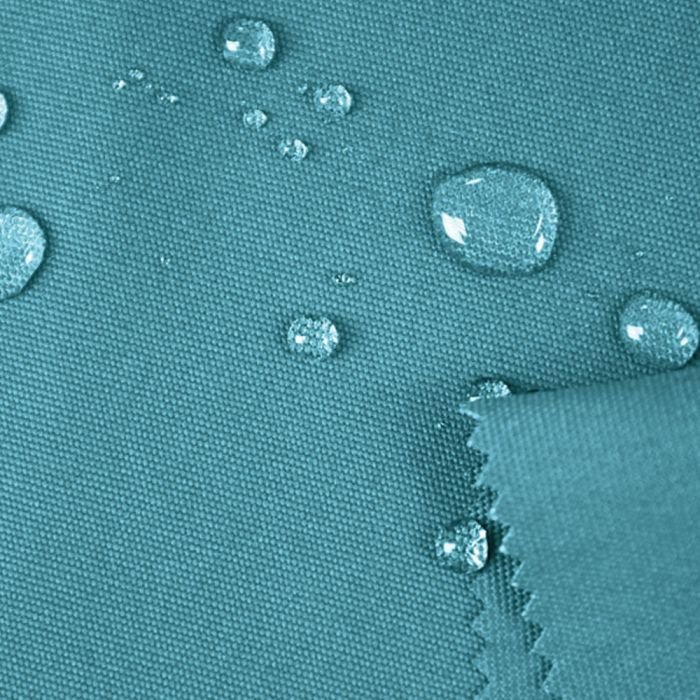
Outdoor Canvas Waterproof Fabric
Heavy-duty canvas waterproof fabric engineered for extreme weather conditions. Perfect for outdoor cushions, awnings, and marine applications. Features advanced coating technology that repels water while maintaining breathability. Available in multiple colors and weights to suit any project requirement.
Key Features:
- 100% waterproof coating
- UV resistant finish
- Mildew and fade resistant
- Easy to clean surface
- Multiple weight options
- Professional-grade durability
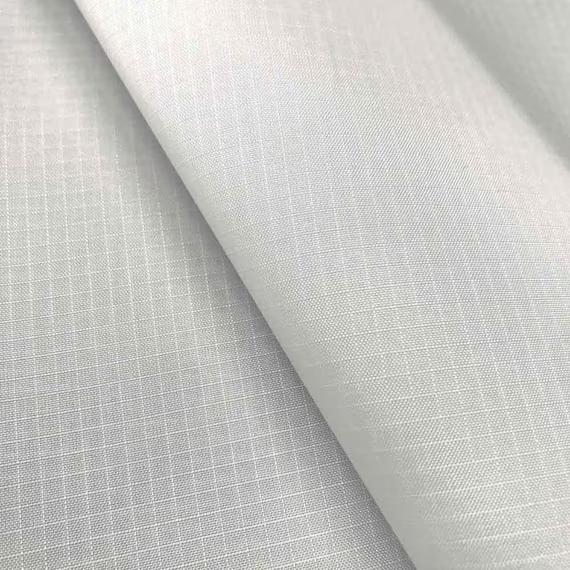
Lightweight Ripstop Waterproof Material
Ultra-lightweight ripstop waterproof fabric ideal for backpacks, rain gear, and outdoor apparel. This technical fabric combines water resistance with tear strength and flexibility. The ripstop weave prevents small tears from spreading while maintaining complete water protection for demanding applications.
Key Features:
- Tear-resistant ripstop weave
- Lightweight construction
- Flexible and packable
- Breathable membrane
- Seam-sealable edges
- Multiple color options
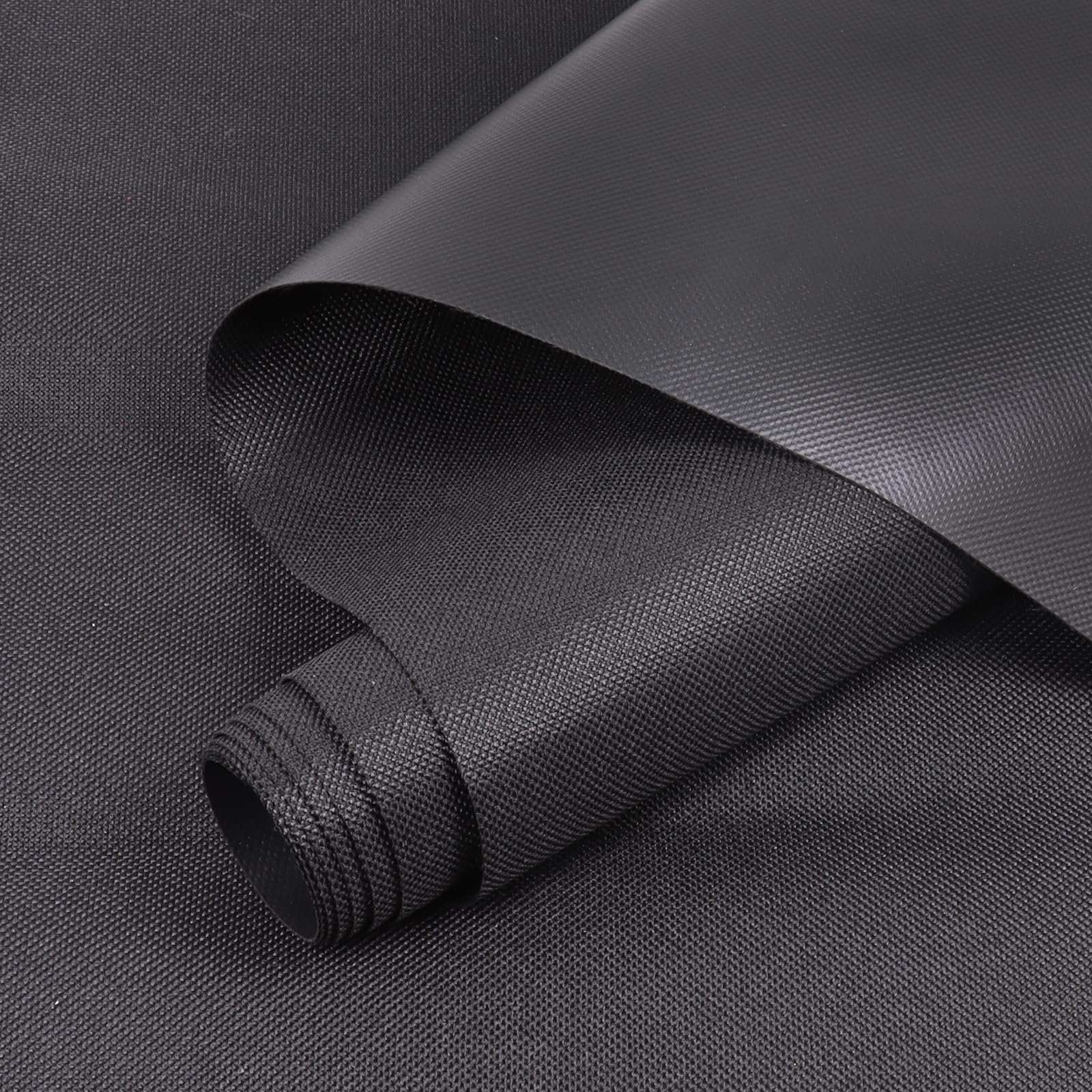
Vinyl Coated Waterproof Fabric
Durable vinyl-coated waterproof fabric with superior water barrier properties. Excellent for tablecloths, shower curtains, and protective covers. The smooth vinyl surface wipes clean easily while the fabric backing provides strength and dimensional stability for long-lasting performance.
Key Features:
- Complete water barrier
- Wipe-clean surface
- Stain resistant coating
- Reinforced fabric backing
- Easy sewing properties
- Chemical resistant finish
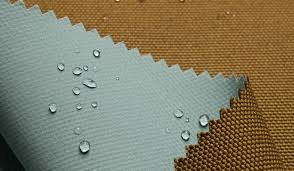
Breathable Waterproof Membrane Fabric
Advanced breathable waterproof fabric featuring microscopic pore technology. Allows moisture vapor to escape while blocking liquid water completely. Ideal for activewear, outdoor jackets, and performance gear where comfort and protection are equally important for extended wear.
Key Features:
- Breathable membrane technology
- Moisture-wicking properties
- Windproof protection
- Soft hand feel
- Machine washable
- Temperature regulating
Understanding Waterproof Fabric Technology
Waterproof fabric represents a significant advancement in textile technology, offering complete protection against water penetration. Unlike water-resistant materials that only repel light moisture, waterproof fabric creates an impermeable barrier that prevents any liquid from passing through.
The science behind waterproof fabric involves various coating and lamination processes. Manufacturers apply specialized polymers, membranes, or chemical treatments to base fabrics, creating materials that maintain their protective properties even under extreme conditions.
Types of Waterproof Technologies
Coated waterproof fabric utilizes liquid polymer applications that cure into flexible, waterproof layers. These coatings bond directly to the fabric fibers, creating seamless protection that won’t delaminate or separate over time.
Laminated waterproof fabric features thin membrane layers bonded between fabric layers. This construction method produces highly durable materials with excellent tear resistance and long-term waterproof performance.
Woven waterproof fabric incorporates water-repellent fibers directly into the fabric structure. This approach creates inherent water resistance that won’t wash out or wear away with regular use and cleaning.
Choosing the Right Waterproof Fabric for Your Project
Selecting appropriate waterproof fabric requires careful consideration of your project’s specific requirements. Different applications demand varying levels of waterproofing, durability, and performance characteristics.
Outdoor furniture projects benefit from heavy-duty waterproof fabric with UV resistance and mildew protection. These materials must withstand constant exposure to sun, rain, and temperature fluctuations while maintaining their appearance and functionality.
Weight and Thickness Considerations
Lightweight waterproof fabric works excellently for clothing, bags, and portable items where flexibility and packability are priorities. These materials typically weigh 2-6 ounces per square yard while maintaining complete water protection.
Medium-weight waterproof fabric suits most general applications including tarps, covers, and moderate-use outdoor items. These fabrics balance durability with workability, making them ideal for most crafting and home improvement projects.
Heavy-duty waterproof fabric provides maximum protection for demanding applications like marine covers, industrial tarps, and permanent outdoor installations. These materials prioritize longevity and extreme weather resistance over flexibility.
Working with Waterproof Fabric – Sewing Tips and Techniques
Sewing waterproof fabric requires specific techniques and tools to maintain the material’s protective properties. Standard sewing methods can compromise waterproofing by creating needle holes that allow water penetration.
Use appropriate needle sizes when working with waterproof fabric. Smaller needles create smaller holes, reducing the risk of leaks. Consider using ballpoint or leather needles for coated materials to minimize fabric damage during stitching.
Seam Sealing for Complete Protection
Seam sealing represents the most critical step in waterproof fabric construction. Even perfectly waterproof fabric becomes vulnerable at sewn seams without proper sealing techniques and materials.
Seam tape application involves heat-pressing specialized tapes over stitched seams to create waterproof barriers. This professional technique ensures complete protection along all sewn edges and connection points.
Liquid seam sealers offer an alternative approach for waterproofing seams. These products brush or spray onto completed seams, curing into flexible waterproof barriers that move with the fabric.
Maintenance and Care for Waterproof Fabric
Proper maintenance extends the life and performance of waterproof fabric significantly. Regular cleaning and appropriate storage prevent deterioration of protective coatings and maintain optimal water resistance.
Cleaning waterproof fabric requires gentle methods that won’t damage protective treatments. Avoid harsh detergents, bleach, or fabric softeners that can break down waterproof coatings or clog breathable membranes.
Storage Best Practices
Store waterproof fabric in dry, well-ventilated areas away from direct sunlight. Prolonged UV exposure can degrade protective coatings, while moisture trapped in storage can promote mildew growth even on treated materials.
Fold waterproof fabric loosely or roll it to prevent permanent creases that might compromise coating integrity. Avoid storing heavy items on top of folded waterproof materials to maintain their protective properties.
Restoration and Re-treatment
Over time, even high-quality waterproof fabric may require re-treatment to maintain peak performance. Specialized waterproofing sprays and wash-in treatments can restore water repellency to worn or aged materials.
Regular testing helps determine when waterproof fabric needs attention. Simple water drop tests reveal whether materials still shed moisture effectively or require re-treatment for continued protection.
Popular Applications for Waterproof Fabric
Waterproof fabric finds applications across numerous industries and crafting categories. From outdoor recreation to home improvement, these versatile materials solve moisture-related challenges in countless creative ways.
Outdoor gear represents one of the largest markets for waterproof fabric. Tents, backpacks, rain clothing, and camping equipment all rely on advanced waterproof materials to keep users dry and comfortable in challenging conditions.
Home and Garden Uses
Garden and patio applications benefit tremendously from waterproof fabric solutions. Outdoor cushions, furniture covers, and shade structures made from waterproof materials withstand weather while maintaining their appearance season after season.
Shower curtains and bathroom accessories utilize waterproof fabric to create functional, attractive solutions for high-moisture environments. These applications require materials that resist mildew while remaining easy to clean and maintain.
Marine and Automotive Applications
Boat covers and marine equipment demand the highest performance waterproof fabric available. These applications face extreme weather, salt exposure, and UV radiation while providing critical protection for expensive equipment.
Automotive covers and convertible tops rely on specialized waterproof fabric that combines weather protection with durability and appearance. These materials must flex repeatedly while maintaining their protective properties over many years of use.
Innovation in Waterproof Fabric Technology
Modern waterproof fabric continues evolving with new technologies that improve performance while addressing environmental concerns. Sustainable manufacturing processes and recyclable materials represent growing trends in the industry.
Nanotechnology applications create waterproof fabric with molecular-level protection that doesn’t affect fabric hand or breathability. These advanced treatments provide superior water resistance while maintaining natural fabric characteristics.
Eco-Friendly Waterproof Solutions
Bio-based waterproof fabric utilizes renewable materials and environmentally responsible manufacturing processes. These products deliver excellent performance while reducing environmental impact compared to traditional petroleum-based alternatives.
Recyclable waterproof fabric systems allow end-of-life materials to be processed into new products rather than contributing to landfill waste. These innovations support circular economy principles while maintaining product performance standards.
Smart Fabric Integration
Smart waterproof fabric incorporates electronic components and sensors while maintaining complete water protection. These advanced materials enable wearable technology and connected outdoor gear applications.
Color-changing waterproof fabric responds to temperature or moisture conditions, providing visual indicators while maintaining protective properties. These innovative materials combine function with visual appeal for unique applications.
Frequently Asked Questions
Start Your Next Project with Quality Waterproof Fabric
Waterproof fabric opens up endless possibilities for creating durable, weather-resistant projects that perform beautifully in challenging conditions. Whether you’re crafting outdoor gear, home accessories, or professional-grade equipment, the right waterproof fabric provides the foundation for long-lasting success.
Understanding the different types of waterproof fabric and their specific applications helps you make informed decisions for your projects. From lightweight breathable materials perfect for activewear to heavy-duty coated fabrics ideal for marine applications, each type offers unique advantages suited to particular uses.
Proper selection, handling, and maintenance of waterproof fabric ensure your finished projects deliver years of reliable performance. Following best practices for sewing, seam sealing, and care preserves the protective properties that make these materials so valuable for outdoor and high-moisture applications.
Explore our complete selection of waterproof fabric options to find the perfect material for your next creative project. With professional-grade quality and expert support, you’ll have everything needed to create beautiful, functional items that stand up to whatever nature brings.