
All-Purpose Sewing Thread Spools: Your Complete Guide to Quality Thread
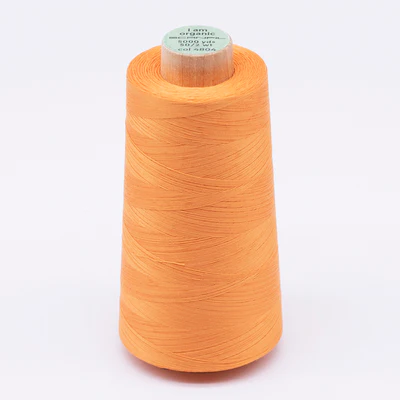
Premium Cotton All-Purpose Sewing Thread
High-quality 100% cotton sewing thread perfect for natural fabrics and quilting projects. Features superior strength and colorfastness with minimal lint production. Available in over 60 vibrant colors to match any fabric choice. Each spool contains 600 yards of smooth, consistent thread that works beautifully with all sewing machines.
Key Features:
- 100% premium cotton construction
- 600 yards per spool
- 60+ color options available
- Lint-resistant smooth finish
- Compatible with all machine types
- Colorfast and fade-resistant
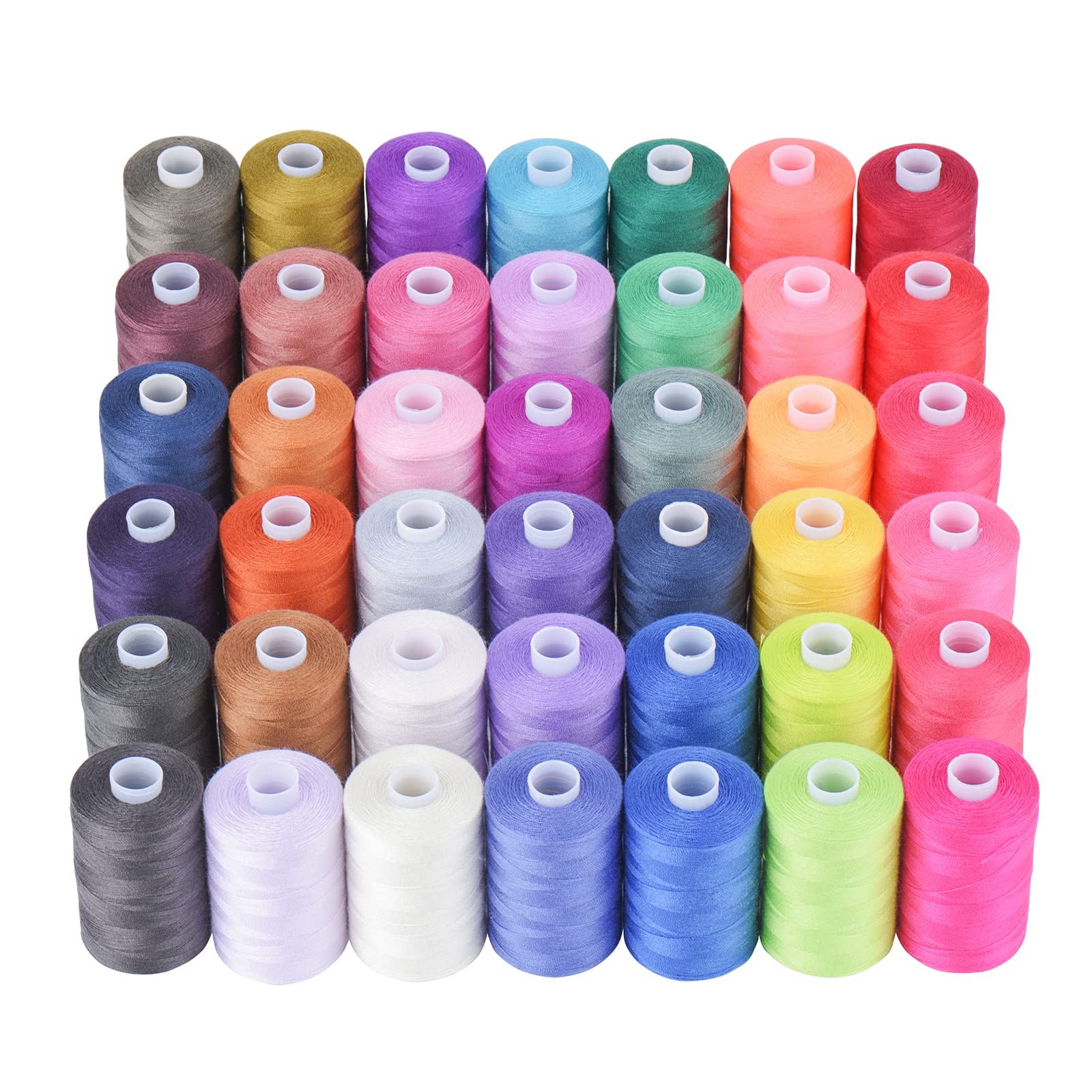
Polyester All-Purpose Thread Collection
Versatile polyester sewing thread designed for synthetic and blended fabrics. Offers exceptional durability and stretch recovery for garments that need flexibility. Machine washable and dryer safe with excellent color retention. This professional-grade thread handles everything from lightweight silks to heavy denim with consistent stitch quality throughout your sewing projects.
Key Features:
- Strong polyester fiber construction
- Excellent stretch recovery
- Machine washable and dryable
- Works on all fabric weights
- Professional-grade quality
- Superior color retention
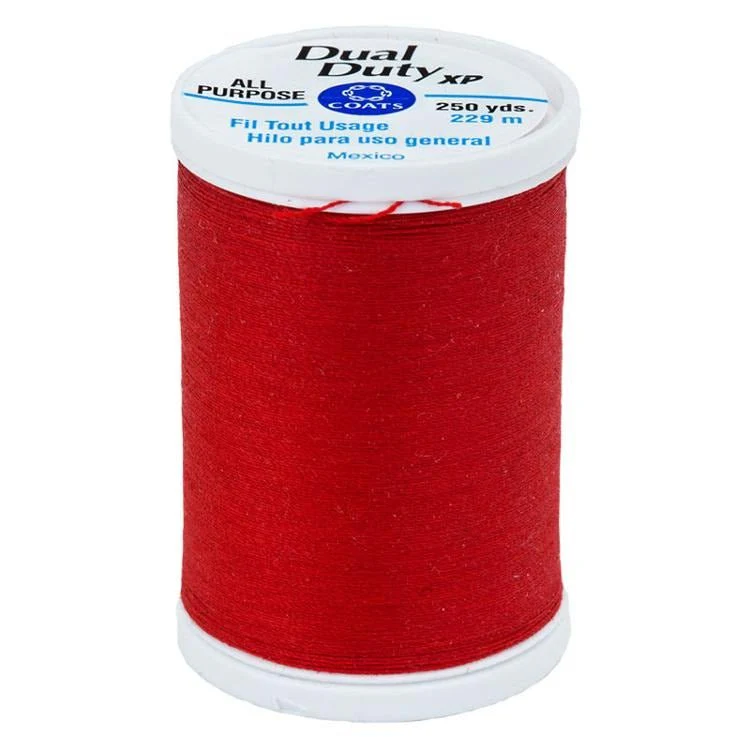
Dual Duty XP All-Purpose Thread
Heavy-duty sewing thread engineered for demanding projects and frequent washing. Features a unique poly-wrapped cotton core that combines strength with natural fiber benefits. Perfect for home decor, upholstery, and heavy garments. Provides smooth feeding through machine tensions while maintaining consistent stitch formation on challenging materials like canvas and denim.
Key Features:
- Poly-wrapped cotton core
- Heavy-duty strength rating
- Smooth machine feeding
- Ideal for upholstery projects
- Withstands frequent washing
- Works with thick fabrics
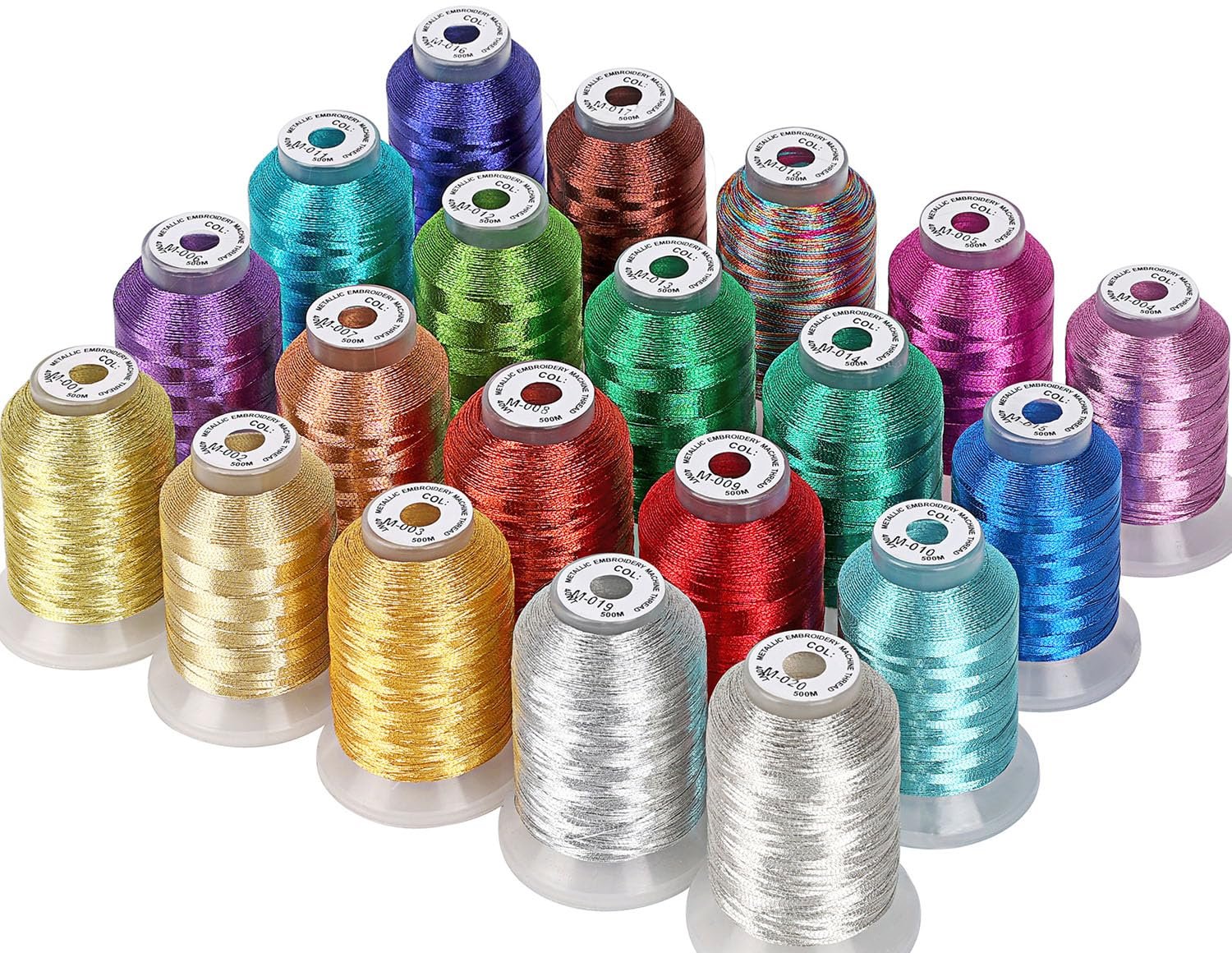
Metallic All-Purpose Decorative Thread
Eye-catching metallic sewing thread that adds shimmer and elegance to any project. Specially formulated to reduce breaking and tangling during machine embroidery and decorative stitching. Available in gold, silver, and copper tones with excellent coverage. Perfect for holiday projects, evening wear, and special occasion garments that need extra sparkle and visual appeal.
Key Features:
- Metallic shimmer finish
- Reduced breaking formula
- Available in multiple metallic tones
- Perfect for decorative stitching
- Machine embroidery compatible
- Special occasion project ready
Understanding Sewing Thread Basics and Thread Construction
Sewing thread forms the foundation of every successful sewing project, connecting fabric pieces with strength and precision. Quality sewing thread ensures your garments and crafts maintain their structure through years of use and washing.
All-purpose sewing thread comes in various fiber compositions, each offering unique benefits for different project types. Cotton thread works beautifully with natural fabrics, while polyester thread provides durability for synthetic materials. The construction method affects how sewing thread performs in your machine and the final appearance of your stitches.
Thread Weight and Sizing
Thread weight determines the thickness and strength of your sewing thread, with higher numbers indicating finer threads. Most all-purpose sewing thread falls between weights 40-60, providing the perfect balance of strength and versatility for general sewing needs.
Understanding thread weight helps you select the appropriate sewing thread for your fabric choice and project requirements. Heavier fabrics typically require heavier thread weights, while delicate materials work best with finer sewing thread options.
Choosing the Right Sewing Thread for Different Fabric Types
Matching your sewing thread to your fabric type ensures optimal results and prevents common sewing problems. Natural fabrics like cotton and linen pair beautifully with cotton sewing thread, which provides similar shrinkage characteristics and washing requirements.
Synthetic fabrics benefit from polyester sewing thread that offers stretch recovery and durability. Blended fabrics work well with either cotton or polyester thread, depending on the dominant fiber content and intended use of the finished project.
Color Matching and Selection
Proper color selection in sewing thread can make or break your project’s professional appearance. Choose thread that matches your fabric’s dominant color, or select a shade slightly darker than your fabric for the best blending results.
When working with patterned fabrics, select sewing thread that matches the background color rather than the pattern elements. This technique helps your stitching lines disappear into the overall fabric design for a polished, professional finish.
Sewing Thread Storage and Organization Tips
Proper storage extends the life of your sewing thread collection and prevents tangling, fading, and deterioration. Store thread spools in a cool, dry location away from direct sunlight to maintain color integrity and fiber strength.
Organize your sewing thread by color families or project types for easy selection during sewing sessions. Thread racks, storage boxes with dividers, and magnetic thread holders all provide excellent organization solutions for various collection sizes.
Preventing Thread Deterioration
Heat, humidity, and UV light are the primary enemies of sewing thread quality and longevity. Keep thread away from heating vents, windows, and damp basement areas to preserve fiber integrity and color vibrancy.
Regularly rotate your sewing thread stock, using older spools first to prevent age-related weakening. Quality thread can last for years when stored properly, making it a worthwhile investment for serious sewers and crafters.
Common Sewing Thread Problems and Solutions
Thread breakage during sewing often indicates tension problems, incorrect needle size, or poor-quality sewing thread selection. Adjust your machine’s upper tension and ensure you’re using the appropriate needle size for your chosen thread weight.
Lint buildup in your machine can cause thread feeding problems and uneven stitches. Regular cleaning and using high-quality sewing thread with minimal lint production helps maintain smooth machine operation and consistent stitch quality.
Troubleshooting Stitch Quality Issues
Uneven stitches frequently result from incorrect sewing thread tension settings or mismatched thread weights in the bobbin and needle. Always use the same type and weight of sewing thread in both the bobbin and needle for consistent results.
Thread shredding or fraying during sewing indicates either a damaged needle or incompatible thread choice for your fabric type. Replace needles regularly and select appropriate sewing thread based on your fabric’s fiber content and weight.
Machine Settings and Needle Selection for Optimal Thread Performance
Proper needle selection significantly impacts how your sewing thread performs during stitching. Universal needles work well with most all-purpose sewing thread types, while specialty needles like ballpoint or stretch needles benefit specific thread and fabric combinations.
Adjust your machine’s tension settings based on your sewing thread choice and fabric weight. Start with your machine’s recommended settings and make small adjustments until you achieve balanced stitches with proper thread tension.
Threading Techniques and Best Practices
Proper threading technique ensures smooth sewing thread flow and prevents common stitching problems. Follow your machine’s threading path exactly, ensuring the thread passes through all guides and tension discs for optimal performance.
Check your sewing thread path regularly during long sewing sessions, as thread can slip out of guides and cause tension irregularities. Maintaining proper threading throughout your project ensures consistent stitch quality and prevents frustrating interruptions.
Professional Tips for Working with All-Purpose Sewing Thread
Professional seamstresses recommend testing your sewing thread and fabric combination on scraps before beginning your main project. This practice helps identify any compatibility issues and allows you to perfect your machine settings for optimal results.
Keep multiple thread weights and types in your basic color palette to handle various project requirements. Having options allows you to select the perfect sewing thread for each specific application within a single project.
Building Your Essential Thread Collection
Start your sewing thread collection with basic colors in both cotton and polyester options. White, black, navy, brown, and gray sewing thread spools handle the majority of common sewing projects and provide a solid foundation for any sewing room.
Expand your collection gradually based on your project preferences and color needs. Quality sewing thread is an investment that pays dividends in finished project appearance and durability, making it worth purchasing the best thread you can afford.
Frequently Asked Questions
Creating Beautiful Projects with Quality Sewing Thread
Selecting the right sewing thread transforms ordinary fabric into extraordinary finished projects that stand the test of time. Quality all-purpose thread provides the foundation for professional results, whether you’re creating garments, home decor, or craft projects. Understanding thread characteristics, proper storage, and machine compatibility ensures every stitch contributes to your project’s success.
Investing in a well-rounded collection of sewing thread pays dividends in both project quality and sewing enjoyment. Having the right thread for each fabric type and project requirement eliminates guesswork and prevents common sewing frustrations. Quality thread works smoothly through your machine, creates even stitches, and maintains its strength through years of use and washing.
Building your thread collection gradually allows you to learn each thread type’s characteristics while developing your sewing skills. Start with essential colors in both cotton and polyester options, then expand based on your project preferences and creative goals. Remember that quality sewing thread is an investment in your craft that enhances every aspect of your sewing experience.
With proper thread selection, storage, and technique, your sewing projects will achieve professional results that reflect your dedication to quality craftsmanship. Choose your sewing thread thoughtfully, care for it properly, and enjoy the satisfaction of creating beautiful, durable projects that showcase your skills and creativity.