
Sewing Thimble – Finger Protectors for Every Project
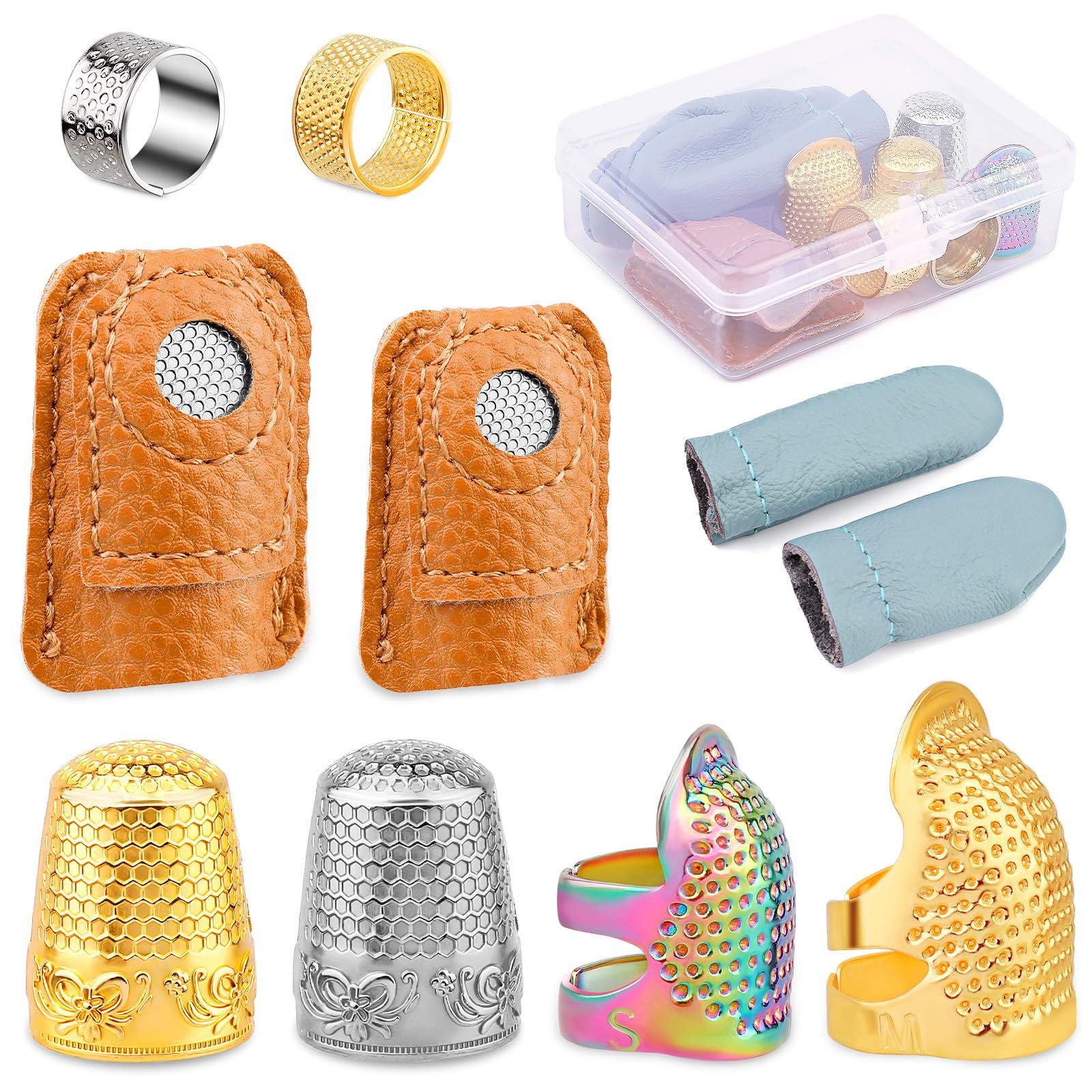
Premium Leather Thimble Set
Handcrafted from genuine leather, this thimble set offers superior comfort and durability for extended sewing sessions. The natural material molds to your finger shape over time, providing a custom fit. Perfect for quilting, embroidery, and general sewing projects requiring precision and protection.
Key Features:
- Genuine leather construction
- Custom-molding comfort fit
- Breathable material prevents moisture
- Reinforced fingertip protection
- Set includes multiple sizes
- Machine-washable design
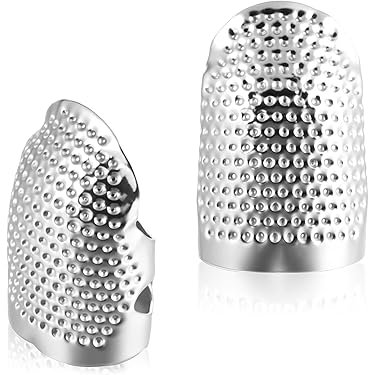
Adjustable Metal Thimble Collection
Professional-grade metal thimbles featuring adjustable bands for the perfect fit. These durable finger protectors resist wear from heavy-duty needles and provide excellent grip control. The dimpled surface ensures needles won’t slip, making them ideal for thick fabrics and challenging projects.
Key Features:
- Adjustable sizing mechanism
- Dimpled grip surface
- Heavy-duty metal construction
- Needle slip prevention
- Professional quilting quality
- Comfortable band design
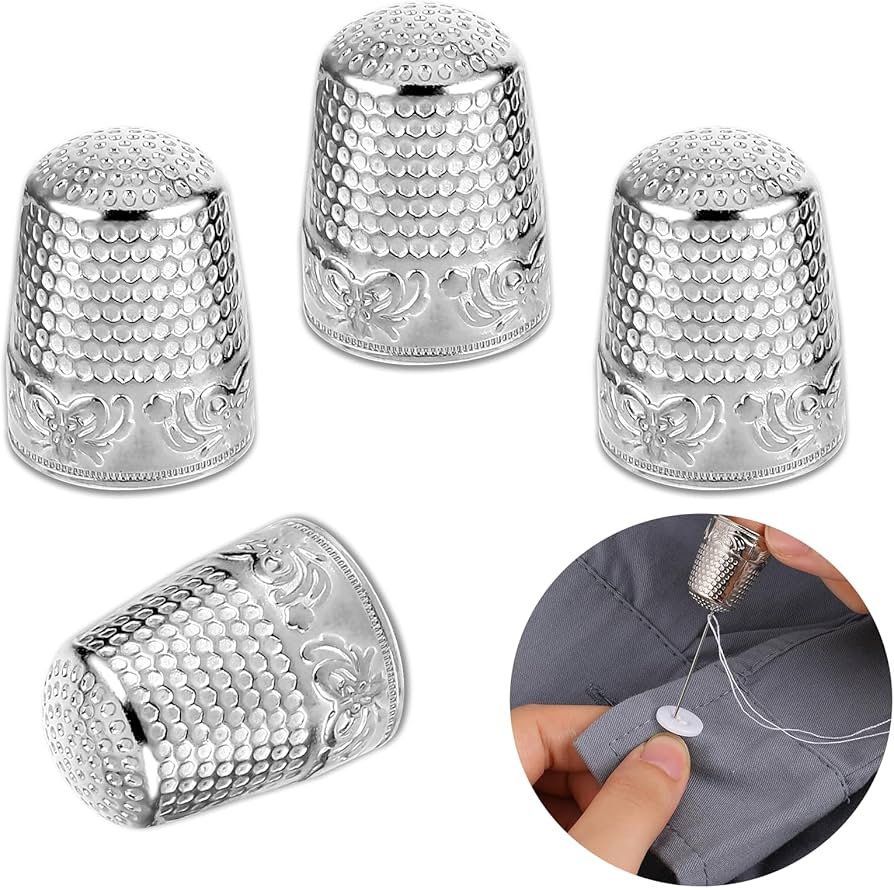
Silicone Comfort Thimble Pack
Innovative silicone thimbles designed for sensitive fingers and extended crafting sessions. The flexible material provides gentle protection while maintaining tactile sensitivity. These lightweight finger protectors are perfect for beginners and crafters who find traditional thimbles uncomfortable or restrictive.
Key Features:
- Soft silicone construction
- Flexible comfort design
- Maintains finger sensitivity
- Lightweight protection
- Easy cleaning maintenance
- Beginner-friendly option
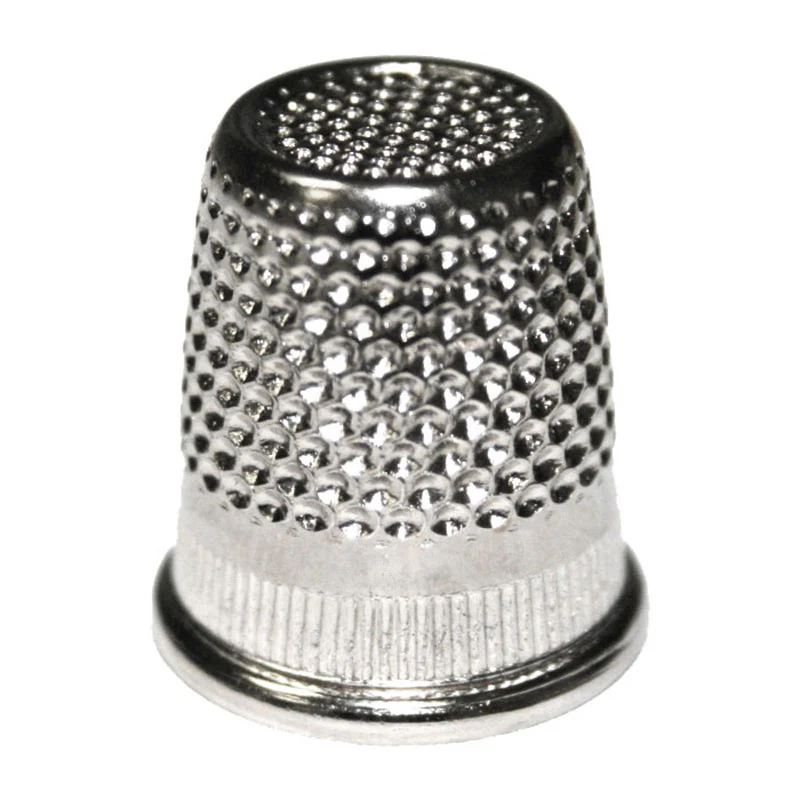
Open-Top Quilting Thimble
Specially designed open-top thimbles that allow fingertip contact while protecting the sides and pad of your finger. These unique protectors offer the perfect balance of protection and precision for detailed quilting work. The open design prevents moisture buildup during long crafting sessions.
Key Features:
- Open-top precision design
- Side and pad protection
- Enhanced tactile feedback
- Moisture-wicking ventilation
- Quilting-specific engineering
- Comfortable extended wear
Understanding the Essential Role of a Thimble
A thimble serves as your finger’s best friend during any sewing project, protecting against needle pricks while improving your stitching precision. This small but mighty tool transforms your sewing experience from potentially painful to pleasantly productive.
Whether you’re working on delicate embroidery or heavy-duty upholstery, the right thimble makes all the difference in your comfort level. Professional seamstresses and casual crafters alike rely on these finger protectors to maintain consistent stitch quality.
Why Every Sewer Needs a Thimble
Using a thimble prevents the formation of painful calluses and protects against accidental needle punctures. The tool also provides better needle control, allowing you to push through multiple fabric layers with confidence and ease.
Beyond protection, a quality thimble actually improves your sewing speed and accuracy. When your fingers feel secure, you can focus entirely on your technique rather than worrying about potential injury.
Different Types of Thimble Materials and Their Benefits
Metal thimbles represent the traditional choice, offering maximum durability and needle grip through their dimpled surface design. These classic finger protectors work exceptionally well for heavy fabrics and provide the firm resistance needed for challenging projects.
Leather thimbles provide unmatched comfort and gradually conform to your unique finger shape over time. The natural material breathes well during extended sewing sessions, preventing the moisture buildup common with synthetic alternatives.
Modern Silicone and Rubber Options
Silicone thimbles have revolutionized finger protection for crafters who find traditional materials uncomfortable or restrictive. These flexible protectors maintain tactile sensitivity while providing adequate protection for most sewing tasks.
Rubber thimbles offer excellent grip and work particularly well for quilters who need to manipulate fabric frequently. The material provides just enough thickness to protect without sacrificing the finger dexterity essential for precision work.
Proper Thimble Sizing and Fit Guidelines
Finding the correct thimble size ensures maximum comfort and effectiveness during your sewing projects. A properly fitted finger protector should feel snug without cutting off circulation or sliding around during use.
Measure your finger circumference at the widest point, typically just below the nail area where the thimble will sit. Most manufacturers provide sizing charts to help you select the ideal fit for your specific needs.
Testing the Perfect Fit
Your thimble should stay securely in place when you shake your hand vigorously or move your fingers through normal sewing motions. Too loose, and it becomes a hindrance rather than a help during your crafting sessions.
A properly sized finger protector allows you to bend your finger naturally without restriction. If you experience any pinching, numbness, or difficulty moving your finger, try the next size up for better comfort.
Thimble Techniques for Different Sewing Projects
Hand quilting requires a specific thimble technique that involves using the tool to guide needles through multiple fabric layers efficiently. Position the needle against the thimble’s dimpled surface and use a rocking motion to create even, consistent stitches.
Embroidery work benefits from a lighter touch, where the thimble primarily protects against accidental pricks rather than providing heavy pushing power. The finger protector allows for delicate maneuvering while maintaining the precision essential for detailed decorative work.
Tailoring and Heavy Fabric Techniques
When working with thick materials like denim or canvas, your thimble becomes crucial for pushing needles through resistant layers. Use the reinforced tip area to apply steady pressure while maintaining control over stitch placement and spacing.
Upholstery projects often require curved needles and specialized techniques where the thimble protects multiple finger positions. Practice different grip positions to find the most comfortable and effective approach for your specific project requirements.
Caring for and Maintaining Your Thimble Collection
Proper thimble maintenance extends the life of these essential sewing tools and ensures optimal performance throughout countless projects. Regular cleaning prevents the buildup of oils, dirt, and fabric residue that can affect grip and comfort.
Metal thimbles require periodic polishing to maintain their dimpled surface texture and prevent corrosion. Use a soft cloth and appropriate metal cleaner to restore the original finish and grip characteristics.
Storage and Organization Tips
Store your thimble collection in a dedicated container or sewing box compartment to prevent damage and loss. Proper organization helps you quickly locate the right finger protector for each specific project or technique.
Leather thimbles benefit from occasional conditioning to maintain flexibility and prevent cracking over time. Apply a small amount of leather conditioner and allow it to absorb completely before your next sewing session.
Choosing the Right Thimble for Your Skill Level
Beginning sewers often find silicone or leather thimbles more comfortable and less intimidating than traditional metal versions. These softer materials provide protection while allowing new crafters to develop their technique gradually and confidently.
Intermediate sewers can experiment with different thimble styles to find their personal preferences for various project types. This exploration phase helps develop expertise and discover which finger protectors work best for different techniques and materials.
Advanced Sewer Considerations
Experienced crafters typically maintain multiple thimbles for different purposes, switching between materials and styles based on project requirements. Professional-level finger protectors often feature specialized designs for specific techniques or fabric types.
Master quilters and tailors often prefer traditional metal thimbles for their superior durability and precise needle control capabilities. These craftspeople understand that investing in quality finger protection directly impacts their work’s overall quality and consistency.
Frequently Asked Questions
Finding Your Perfect Sewing Companion
Selecting the right thimble transforms your sewing experience from potentially frustrating to genuinely enjoyable, providing the confidence needed to tackle any project. Whether you prefer the traditional reliability of metal, the comfort of leather, or the flexibility of modern silicone, the perfect finger protector awaits your discovery.
Investing in quality thimbles pays dividends through improved technique, reduced fatigue, and enhanced safety during all your crafting adventures. Consider building a small collection of different styles to match various project requirements and sewing techniques you’ll encounter throughout your creative journey.
Remember that the best thimble is the one you’ll actually use consistently, so prioritize comfort and fit over appearance or traditional expectations. Your fingers will thank you for the protection, and your finished projects will reflect the improved precision and confidence that comes from proper finger protection.
Start exploring different thimble options today and discover how this simple tool can revolutionize your approach to hand sewing, quilting, and detailed craftwork. With the right finger protector, every stitch becomes an opportunity for creative expression rather than a potential source of discomfort or injury.