
Temporary Fabric Tape – Washable Basting Tape for Sewing Projects
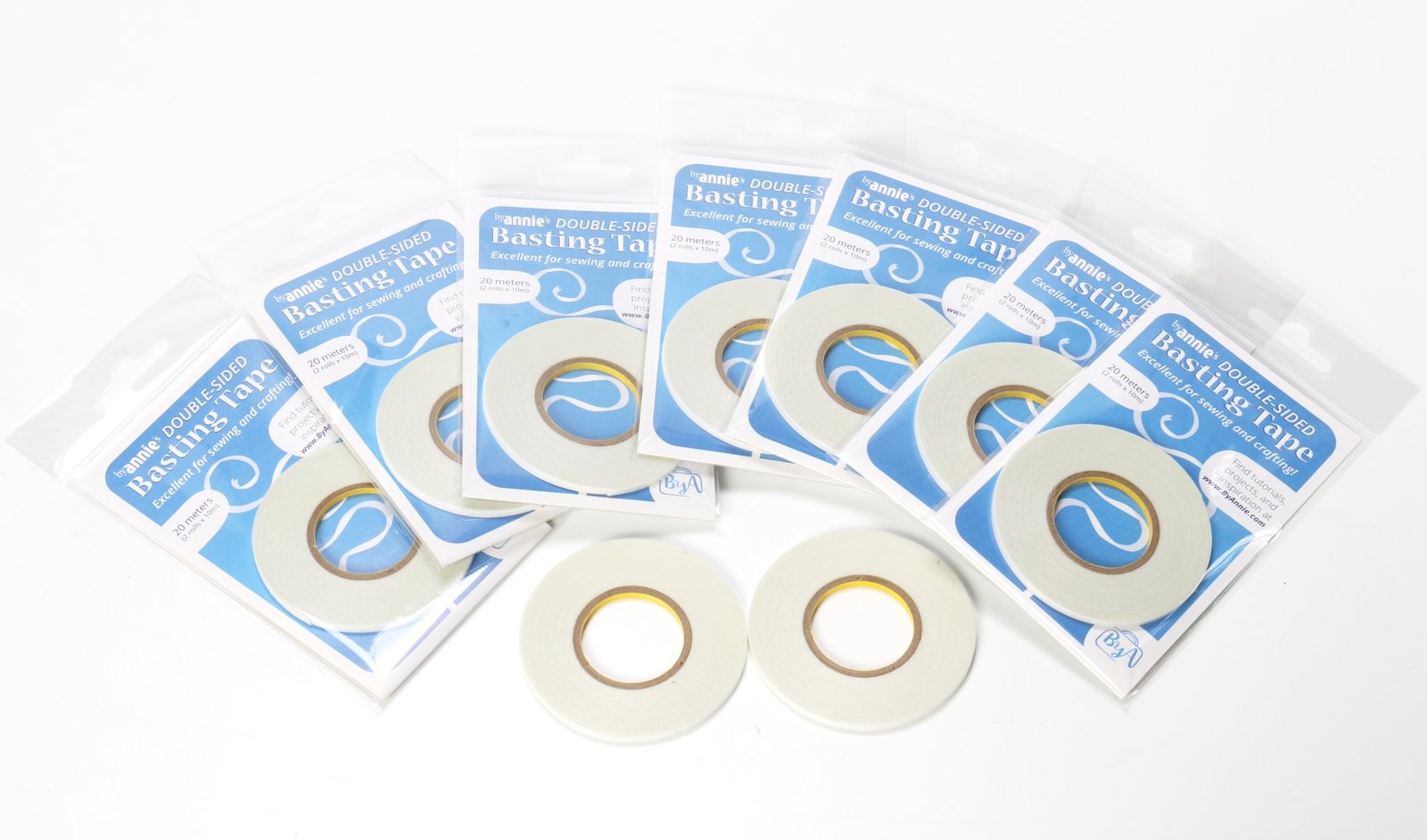
Double-Sided Washable Basting Tape
This versatile double-sided basting tape provides strong temporary adhesion for fabric positioning. The washable formula disappears completely after laundering, leaving no residue on your precious fabrics or finished projects.
Key Features:
- Double-sided adhesive
- Completely washable
- No residue formula
- 1/4 inch width
- Acid-free construction
- Works on all fabric types
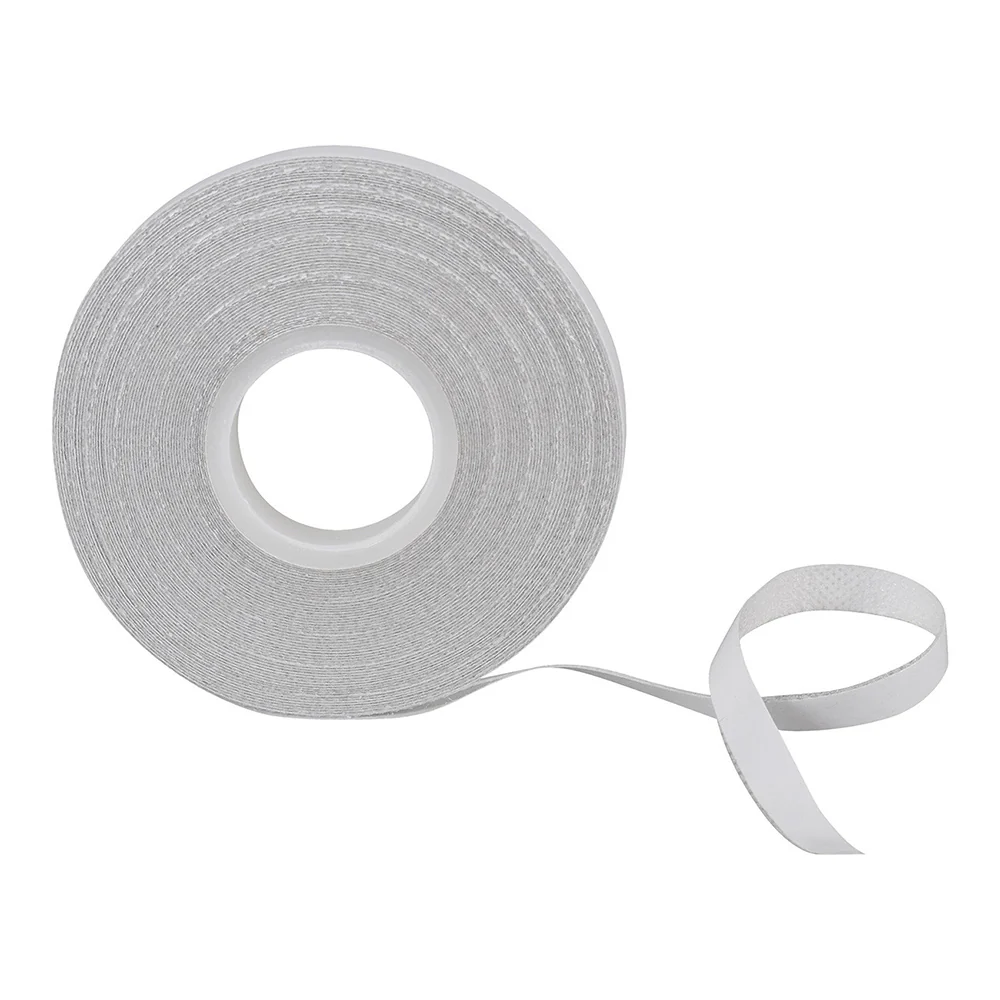
Water-Soluble Fabric Basting Tape
Water-soluble basting tape dissolves instantly when exposed to moisture, making it ideal for delicate fabrics and intricate sewing projects. This innovative tape holds fabrics securely during construction then vanishes without a trace.
Key Features:
- Water-soluble adhesive
- Dissolves on contact with water
- Safe for delicate fabrics
- 3/8 inch width
- Transparent design
- Perfect for appliqué work
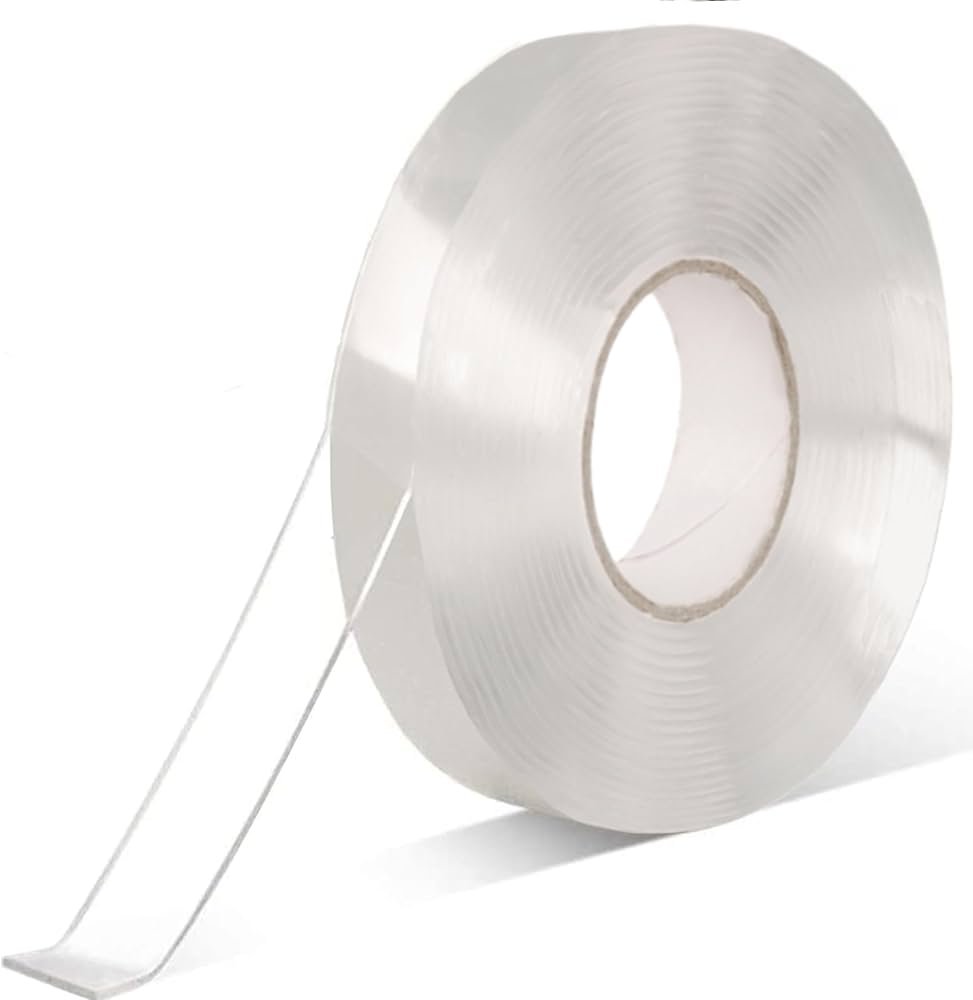
Heavy-Duty Temporary Fabric Tape
Designed for thick fabrics and heavy-duty projects, this strong basting tape provides superior holding power while remaining completely removable. Ideal for upholstery work, canvas projects, and multi-layer fabric assemblies.
Key Features:
- Extra-strong adhesion
- Removable without damage
- Works on heavy fabrics
- 1/2 inch width
- Heat-resistant
- Long-lasting hold
What Is Basting Tape and How Does It Work
Basting tape revolutionizes the way sewers approach temporary fabric positioning and construction. This innovative adhesive tape replaces traditional basting stitches and pins, offering a faster, more precise method for holding fabrics in place during sewing.
Unlike permanent adhesives, basting tape is specifically designed to be temporary. The special adhesive formula creates a strong bond that holds fabrics securely during construction, yet removes completely when exposed to water or washing. This unique property makes basting tape invaluable for professional seamstresses and home sewers alike.
The tape works by creating an instant bond between fabric layers, eliminating the need for time-consuming hand basting or potentially damaging pins. Simply peel away the protective backing, position the basting tape along your seam line or fabric edge, and press the second fabric layer into place. The result is a perfectly aligned, secure hold that won’t shift during machine sewing.
Types of Washable Basting Tape
Several varieties of basting tape cater to different sewing needs and fabric types. Double-sided basting tape features adhesive on both surfaces, making it perfect for joining two fabric pieces temporarily. Single-sided versions work well for hemming and edge finishing applications.
Water-soluble basting tape dissolves completely when it contacts moisture, making it ideal for projects that will be washed immediately after construction. Heavy-duty formulations provide extra holding power for thick fabrics, leather, or multi-layer assemblies that require stronger temporary bonds.
Benefits of Using Basting Tape in Sewing Projects
Basting tape offers numerous advantages over traditional temporary joining methods. The most significant benefit is time savings – applying basting tape takes seconds compared to the minutes required for hand basting stitches or careful pin placement.
Precision increases dramatically when using basting tape for fabric positioning. The tape creates an exact alignment that won’t shift or move during sewing, resulting in perfectly straight seams and professional-looking finishes. This consistency is particularly valuable for quilting projects where precise seam allowances are critical.
No Fabric Damage
Unlike pins that create permanent holes in fabric, basting tape leaves no marks or damage. This protection is especially important when working with delicate fabrics like silk, satin, or fine woolens where pin holes might be visible in the finished garment.
The tape also eliminates the risk of catching pins during machine sewing, which can damage needles, create skipped stitches, or cause dangerous needle breaks. Your sewing machine runs smoothly over basting tape without any interruption to the stitching process.
Versatility Across Projects
Basting tape excels in numerous sewing applications beyond basic seam construction. Quilters use it for precise appliqué placement, ensuring motifs stay perfectly positioned during stitching. Garment sewers rely on basting tape for invisible hems, zipper installation, and pocket placement.
Home decorating projects benefit tremendously from basting tape’s holding power. Curtain panels, pillow covers, and upholstery projects all require precise fabric alignment that basting tape delivers consistently.
How to Use Basting Tape Effectively
Proper basting tape application ensures optimal results and easy removal. Start by cleaning your fabric surfaces to remove any lint, dust, or sizing that might interfere with adhesion. The tape bonds best to clean, smooth fabric surfaces.
Measure and mark your intended seam lines or placement areas before applying basting tape. Precision during initial placement saves time and prevents mistakes that require repositioning. Use a ruler or seam gauge to ensure consistent tape placement along the entire length of your seam.
Application Techniques
Peel away only a small section of the protective backing to begin application. Position the exposed adhesive exactly where needed, then gradually remove more backing while smoothing the tape into place. This controlled application prevents the tape from sticking to itself or becoming misaligned.
Press firmly along the entire tape length to ensure complete adhesion. Pay special attention to fabric edges and corners where lifting is most likely to occur. The better the initial bond, the more securely your fabrics will stay aligned during sewing.
Sewing Over Basting Tape
Most basting tape is designed to be sewn through safely. Position your stitching line to catch the tape within the seam allowance, ensuring it will be trimmed away or hidden inside the finished seam. Use a sharp needle and moderate sewing speed for best results.
Some water-soluble tapes may gum up your needle slightly during sewing. Keep a damp cloth nearby to clean the needle point if you notice any adhesive buildup. This minor maintenance ensures smooth stitching throughout your project.
Best Practices for Different Fabric Types
Different fabric weights and textures require specific basting tape approaches for optimal results. Lightweight fabrics like chiffon, organza, and fine cotton work best with narrow, low-tack basting tape that won’t show through or create bulk in seams.
Medium-weight fabrics including quilting cottons, linens, and wool suiting accommodate standard basting tape widths and adhesive strengths. These fabrics provide enough body to support the tape while still allowing complete removal after washing.
Heavy Fabric Considerations
Thick fabrics such as denim, canvas, upholstery weight materials, and leather require heavy-duty basting tape with stronger adhesive formulations. The extra holding power prevents shifting during sewing while still maintaining removability.
Textured fabrics like corduroy, terry cloth, or brushed flannel may need extra pressing during tape application to ensure good contact between the adhesive and fabric surface. The tape must reach through surface texture to create a secure bond.
Specialty Fabric Applications
Stretch fabrics require careful basting tape selection to avoid restricting natural fabric give. Choose tapes specifically formulated for knits and stretch materials that flex with the fabric movement. Apply these tapes with minimal tension to prevent distorting the fabric’s natural drape.
Waterproof and water-resistant fabrics work well with standard basting tape since the adhesive can still bond to the fabric surface. However, removal may require more aggressive washing or soaking to fully dissolve water-soluble varieties.
Troubleshooting Common Basting Tape Issues
Even experienced sewers occasionally encounter challenges when using basting tape. Understanding common problems and their solutions helps ensure consistently successful results across all your sewing projects.
Tape lifting or poor adhesion usually indicates insufficient initial pressure during application or contaminated fabric surfaces. Clean fabrics thoroughly and press firmly along the entire tape length to maximize contact and bonding strength.
Removal Difficulties
If basting tape doesn’t wash out completely, the water temperature may have been too low to activate the dissolution process. Rewash the item in warmer water, following fabric care guidelines, to ensure complete tape removal.
Stubborn tape residue occasionally remains on synthetic fabrics or those treated with stain-resistant finishes. Pre-treat these areas with liquid detergent and allow extra soaking time before rewashing. Most residue will dissolve with patience and proper washing technique.
Needle Gumming Solutions
Adhesive buildup on sewing machine needles can cause skipped stitches or thread tension problems. Stop sewing immediately when you notice these symptoms and clean the needle thoroughly with rubbing alcohol or adhesive remover designed for sewing machines.
Switching to a larger needle size can also help when sewing through multiple layers of basting tape. The larger needle point pushes through adhesive more easily and is less likely to collect buildup during extended sewing sessions.
Creative Uses Beyond Basic Sewing
Basting tape’s versatility extends far beyond traditional seaming applications. Creative sewers discover new uses that simplify complex projects and improve finished results across various crafting disciplines.
Quilting projects benefit enormously from strategic basting tape placement. Use narrow tape to position binding strips perfectly along quilt edges, ensuring consistent width and professional-looking corners. The tape holds binding in place during machine stitching, eliminating the need for numerous pins or clips.
Appliqué and Embellishment Work
Intricate appliqué designs stay perfectly positioned with small pieces of basting tape placed strategically behind fabric motifs. This technique is particularly valuable for machine appliqué where fabric shifting can ruin hours of careful cutting and preparation work.
Bead and sequin applications become much easier when basting tape temporarily holds embellishments in place during hand sewing. The tape prevents beads from rolling away while providing a stable surface for precise needle placement.
Home Decorating Applications
Window treatment construction relies heavily on precise measurements and straight seams. Basting tape ensures curtain panels maintain perfect alignment during hemming and side seam construction. The tape’s removability means finished curtains wash beautifully without any adhesive residue.
Pillow covers, table runners, and other home décor items benefit from basting tape’s ability to create sharp, professional corners and edges. The tape holds fabric layers exactly where needed during construction, resulting in consistently beautiful finished products.
Frequently Asked Questions
Transform Your Sewing with Quality Basting Tape
Basting tape represents a significant advancement in sewing technology, offering precision, speed, and convenience that traditional methods simply cannot match. Whether you’re constructing garments, creating quilts, or working on home decorating projects, this innovative tool streamlines your workflow while improving finished results.
The investment in quality basting tape pays dividends in time saved and frustration avoided. No more pricked fingers from pins, no more shifting fabric pieces, and no more uneven seams caused by inadequate temporary joining methods. Professional sewers and hobbyists alike discover that basting tape elevates their craft to new levels of precision and efficiency.
Success with basting tape comes from choosing the right type for your specific project needs and following proper application techniques. Take time to understand the different formulations available and match tape characteristics to your fabric types and project requirements. This attention to detail ensures optimal performance and easy removal every time.
Embrace the future of sewing by incorporating washable basting tape into your standard toolkit. Your projects will benefit from improved accuracy, your workspace will be safer without scattered pins, and your finished items will display the professional quality that comes from precise construction methods. The transition from traditional basting methods to modern tape technology marks a turning point in your sewing journey toward greater creativity and superior results.