
Soft Measuring Tape for Sewing: Your Essential Guide to the Perfect Tape Measure
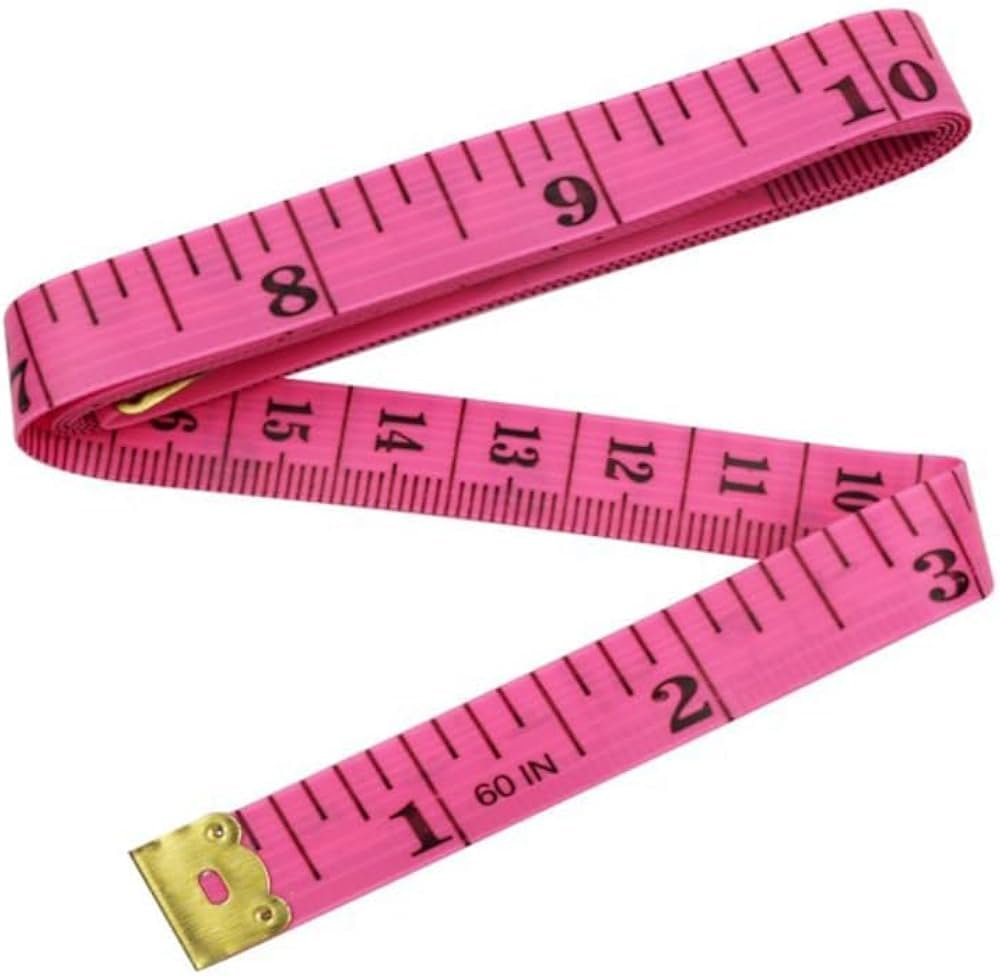
Premium Flexible Measuring Tape – 60 Inch
This professional-grade soft tape measure features dual-sided measurements in both inches and centimeters. The flexible vinyl construction won’t stretch or tear, while the reinforced metal tips ensure lasting durability. Perfect for body measurements, pattern drafting, and all sewing projects requiring precise measurements.
Key Features:
- Dual-sided inch and centimeter markings
- Flexible vinyl construction resists stretching
- Reinforced metal tips for durability
- Easy-to-read clear numbering
- Lightweight and portable design
- 60-inch length for versatile measuring
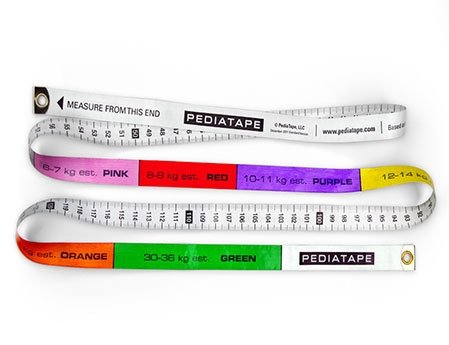
Color-Coded Measuring Tape Set
This comprehensive set includes three soft measuring tapes in different colors for easy project organization. Each tape measure features high-contrast printing for excellent visibility and a smooth surface that glides easily around curves. The compact design makes these perfect for travel sewing kits and small workspace storage.
Key Features:
- Three color-coded tapes for project organization
- High-contrast printing for easy reading
- Smooth surface glides around curves
- Compact size perfect for travel
- Stain-resistant surface coating
- Standard 60-inch measurement length
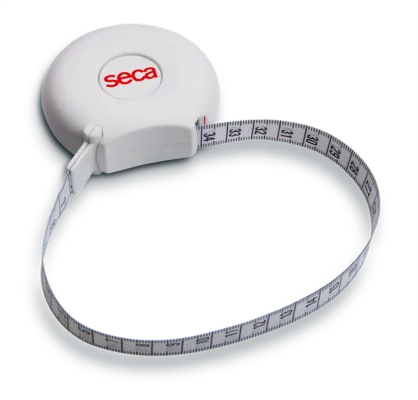
Ergonomic Retractable Measuring Tape
Combining the flexibility of soft measuring tape with convenient retractable functionality, this innovative tool features an ergonomic case that fits comfortably in your hand. The soft measuring surface won’t snag delicate fabrics, while the automatic retraction system keeps your workspace organized and prevents tangles during use.
Key Features:
- Ergonomic case fits comfortably in hand
- Soft surface won’t snag delicate fabrics
- Automatic retraction prevents tangles
- Locking mechanism holds measurements
- Durable construction for frequent use
- Clear measurement markings on both sides
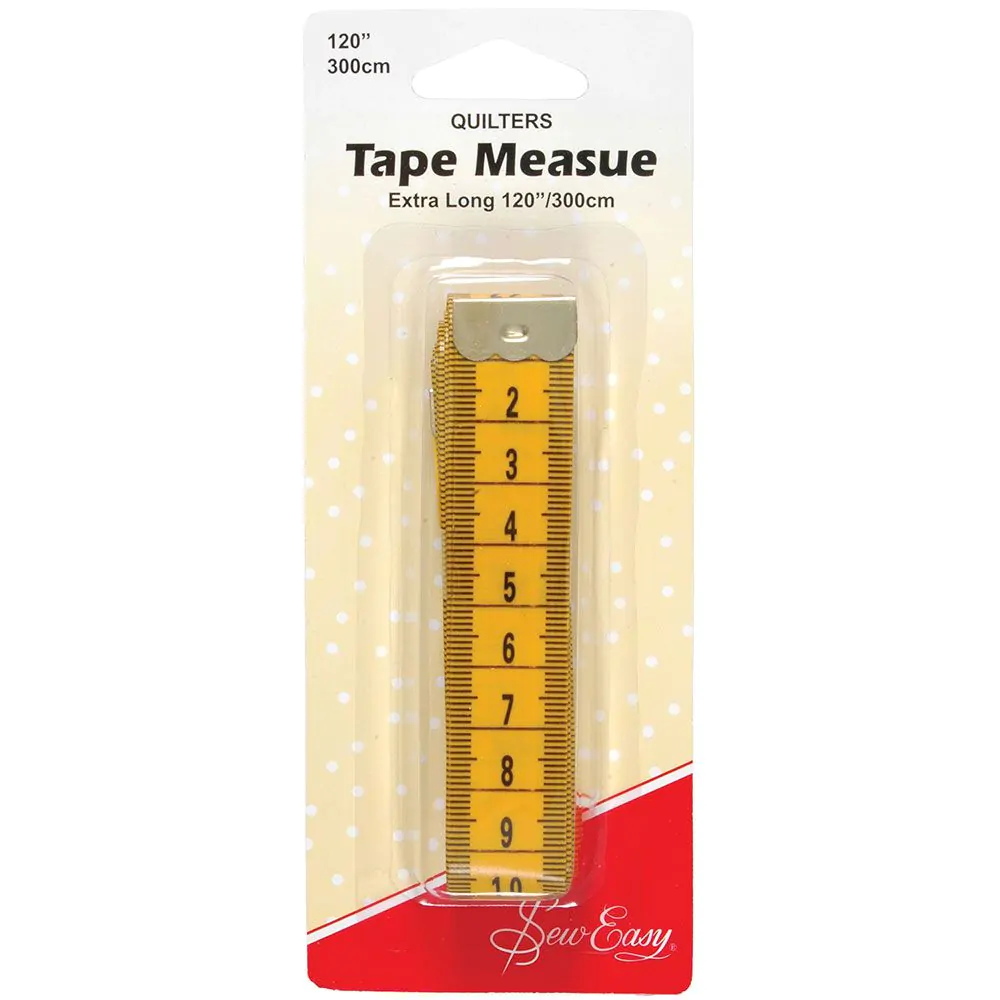
Quilter’s Extra-Wide Measuring Tape
Designed specifically for quilting and large fabric projects, this extra-wide soft tape measure offers enhanced visibility and stability during measurement. The wider format reduces curling and provides more surface area for clear number reading. Heat-resistant materials ensure accuracy even when used near pressing stations and irons.
Key Features:
- Extra-wide format for enhanced stability
- Heat-resistant materials maintain accuracy
- Reduces curling during measurements
- Large, clear numbers for easy reading
- Suitable for quilting and large projects
- Reinforced edges prevent fraying
Understanding the Importance of a Quality Tape Measure in Sewing
A reliable tape measure serves as the foundation of every successful sewing project, making accurate measurements the cornerstone of professional-looking results. Whether you’re a beginner learning basic techniques or an experienced seamstress working on complex garments, having the right measuring tools can mean the difference between a perfect fit and costly mistakes.
The soft measuring tape stands out as an indispensable tool in any sewing kit due to its flexibility and versatility. Unlike rigid rulers, a soft tape measure can easily conform to curved surfaces, making it ideal for taking body measurements, measuring fabric drape, and navigating the contours of three-dimensional sewing projects.
Investing in a high-quality tape measure pays dividends in the accuracy and consistency of your work. Professional sewists understand that precise measurements directly translate to better-fitting garments, properly aligned seams, and overall superior craftsmanship that distinguishes handmade items from mass-produced alternatives.
The right tape measure becomes an extension of your creative process, allowing you to work with confidence and efficiency. When you trust your measuring tools, you can focus on the artistic aspects of your projects rather than worrying about measurement accuracy and potential fitting issues.
Key Features to Look for in a Soft Measuring Tape
Durability and Construction Quality
The best soft measuring tapes feature reinforced construction that withstands frequent use without stretching or tearing. Look for tapes made from high-quality vinyl or fabric materials that maintain their shape and accuracy over time, ensuring your measurements remain consistent across multiple projects.
Metal-tipped ends provide additional durability and prevent fraying, while reinforced stitching along the edges helps maintain the tape’s integrity during regular handling. These construction details might seem minor, but they significantly impact the longevity and reliability of your tape measure.
Clear and Accurate Markings
Visibility plays a crucial role in measurement accuracy, making clear, high-contrast markings essential for any quality tape measure. The numbers and increment marks should be large enough to read easily in various lighting conditions, reducing eye strain during detailed work sessions.
Dual-sided measurements offering both imperial and metric units provide versatility for different project requirements and pattern types. This feature proves particularly valuable when working with international patterns or collaborating with sewists who use different measurement systems.
Flexibility and Handling
A superior soft tape measure strikes the perfect balance between flexibility and stability. The tape should bend easily around curves and contours while maintaining enough structure to provide accurate straight-line measurements without excessive sagging or curling.
The surface texture affects how smoothly the tape glides over different fabrics and materials. A slightly textured surface provides better grip for solo measuring sessions, while a smooth surface works better when measuring delicate or easily snagged fabrics.
Different Types of Tape Measures for Various Sewing Applications
Standard Flexible Measuring Tapes
The traditional soft tape measure remains the most versatile option for general sewing applications. These typically measure 60 inches in length, providing adequate reach for most body measurements and fabric cutting tasks while remaining manageable and easy to store.
Flexible tapes work exceptionally well for garment fitting, allowing you to take precise body measurements that account for natural curves and contours. This type of tape measure adapts to the three-dimensional nature of the human form, providing measurements that translate directly to well-fitting finished garments.
Retractable Measuring Tapes
Retractable tape measures combine the flexibility of soft measuring tapes with the convenience of automatic storage. These tools feature a spring-loaded mechanism that keeps the tape neatly wound when not in use, preventing tangling and reducing workspace clutter.
The retractable design proves particularly valuable in busy sewing environments where quick measurements are frequently needed. The ability to extend and retract the tape with one hand leaves your other hand free to hold fabric or patterns in position.
Specialty and Professional Tapes
Quilting and large-format sewing projects benefit from extra-wide measuring tapes that provide enhanced stability and visibility. These specialized tools reduce measurement errors in large-scale work and offer improved handling characteristics for extended measuring sessions.
Color-coded measuring tapes help organize complex projects involving multiple measurements or different sizing requirements. Using different colored tapes for various aspects of a project reduces confusion and helps maintain accuracy throughout the construction process.
Proper Techniques for Using Your Tape Measure Effectively
Taking Accurate Body Measurements
Proper body measurement technique requires positioning the tape measure snugly against the body without pulling tight enough to compress soft tissue. The tape should lie flat against the skin or over form-fitting clothing, following the natural contours of the body for the most accurate readings.
When measuring circumferences like bust, waist, or hip measurements, ensure the tape remains parallel to the floor all the way around the body. Having a helper hold one end of the tape measure while you position the other end helps maintain proper alignment and prevents the tape from shifting during measurement.
Record measurements immediately after taking them to prevent confusion and potential errors. Keep a dedicated measurement chart or notebook specifically for this purpose, noting the date and any relevant details about the measurements or intended project.
Measuring Fabric and Pattern Pieces
When measuring fabric, allow the material to lie naturally without stretching or compressing it. The tape measure should rest gently on the fabric surface, following the grain line or intended cutting direction for the most accurate results.
For pattern alterations and adjustments, use the tape measure to verify dimensions before making cuts or modifications. This extra verification step helps prevent costly mistakes and ensures your alterations will produce the desired fit and appearance.
Maintaining Measurement Consistency
Consistency in measurement technique proves just as important as the quality of your tape measure itself. Develop standardized approaches for common measurements, such as always measuring waist circumference at the natural waistline or taking bust measurements at the fullest point.
Regularly check your tape measure for signs of stretching or wear that could affect accuracy. Compare your tape against a rigid ruler periodically to ensure it hasn’t stretched or shrunk, which could introduce systematic errors into your measurements.
Care and Maintenance Tips for Long-Lasting Performance
Cleaning and Storage Best Practices
Regular cleaning helps maintain the clarity of measurement markings and prevents the accumulation of lint, dust, or fabric softener residue that can affect the tape’s flexibility. Use a damp cloth with mild soap to gently clean the surface, avoiding harsh chemicals that might damage the printing or material.
Proper storage prevents kinking, creasing, or stretching that could compromise measurement accuracy. Store your tape measure loosely coiled in a dedicated container or hanging on a hook, avoiding tight wrapping that could cause permanent deformation.
Preventing Damage During Use
Avoid exposing your soft tape measure to excessive heat, such as leaving it near pressing stations or in direct sunlight for extended periods. Heat can cause the material to stretch, shrink, or become brittle, affecting both flexibility and measurement accuracy.
Handle the tape gently during use, avoiding sharp pulls or sudden stretching that could damage the internal structure. When working around pins or sharp objects, position the tape measure carefully to prevent accidental punctures or cuts.
Regular Accuracy Checks
Periodically verify your tape measure’s accuracy by comparing it against a known standard, such as a metal ruler or another reliable measuring device. This practice helps identify any stretching or shrinkage before it affects your project outcomes.
If you notice discrepancies in your tape measure’s accuracy, replace it immediately to prevent measurement errors in future projects. The cost of a new tape measure far outweighs the potential expense of correcting fitting issues or remaking garments due to inaccurate measurements.
Integrating Your Tape Measure into an Efficient Sewing Workflow
Organization and Accessibility
Keep your primary tape measure easily accessible in your main sewing workspace, positioning it within arm’s reach of your cutting table and sewing machine. Having a dedicated spot for your measuring tools reduces time spent searching and helps maintain workflow efficiency.
Consider keeping backup tape measures in different locations throughout your sewing space, such as one at your cutting station, another near your fitting area, and a third in your portable sewing kit. This redundancy prevents workflow interruptions when you need to take measurements in different areas.
Project Planning and Measurement Documentation
Develop a systematic approach to recording measurements for each project, creating a reference system that allows you to track dimensions throughout the construction process. This documentation proves invaluable for future projects or when making adjustments during fitting sessions.
Use your tape measure as part of your project planning process, taking all necessary measurements before beginning construction. This upfront investment in accurate measurement saves time and materials by preventing the need for major alterations or corrections later.
Quality Control and Finishing
Incorporate regular measurement checks throughout your construction process to ensure your project remains on track dimensionally. Use your tape measure to verify seam allowances, check finished dimensions, and confirm proper proportions before moving to the next construction step.
During final fitting and finishing stages, your tape measure helps fine-tune adjustments and ensures professional results. The ability to make precise micro-adjustments based on accurate measurements distinguishes amateur work from professional-quality finishing.
Frequently Asked Questions
Choosing the Right Tape Measure for Your Sewing Success
Selecting the perfect soft measuring tape represents one of the most important tool decisions in your sewing journey. A quality tape measure serves as your constant companion through every project, from initial planning and fabric selection through final fitting and finishing touches. The investment in a reliable, accurate measuring tool pays dividends in the professional appearance and proper fit of your finished garments.
The variety of available options means you can find a tape measure that perfectly matches your specific sewing needs and preferences. Whether you prioritize durability for heavy use, convenience features like retractable mechanisms, or specialized characteristics for quilting and large projects, the right tape measure enhances both your efficiency and accuracy.
Remember that your tape measure is only as good as your technique in using it. Developing consistent, proper measurement practices ensures that even the best tools deliver reliable results. Take time to learn proper measuring techniques, maintain your equipment carefully, and replace worn tools before they compromise your project outcomes.
Your sewing projects deserve the precision and reliability that comes from using quality measuring tools. By choosing the right soft measuring tape and incorporating proper measurement practices into your workflow, you set the foundation for sewing success that will serve you well throughout your creative journey.