
Sock Yarn: Complete Guide to Fingering Weight Yarn for Perfect Socks
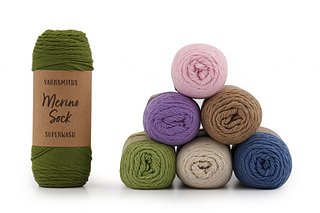
Superwash Merino Sock Yarn
Premium machine-washable merino wool sock yarn featuring exceptional softness and durability. Perfect for beginners and experienced knitters alike, this fingering weight yarn creates comfortable, long-lasting socks with beautiful stitch definition and vibrant color retention.
Key Features:
- 100% superwash merino wool construction
- Machine washable and dryable
- 4-ply fingering weight structure
- Excellent stitch definition
- Fade-resistant colors
- Approximately 437 yards per 100g skein
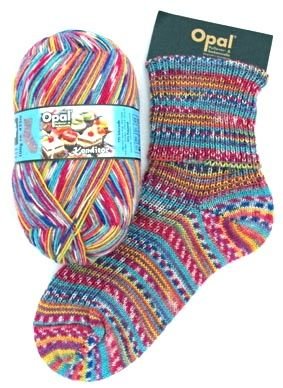
Self-Striping Sock Yarn Blend
Innovative wool-nylon blend sock yarn with built-in color transitions that create stunning striped patterns automatically. This durable fingering weight yarn combines the warmth of wool with nylon’s strength for superior sock performance and eye-catching designs.
Key Features:
- 75% wool, 25% nylon blend
- Self-striping color sequences
- Enhanced durability from nylon content
- Fingering weight gauge
- Long color repeats for consistent patterns
- Reinforced heel and toe compatibility
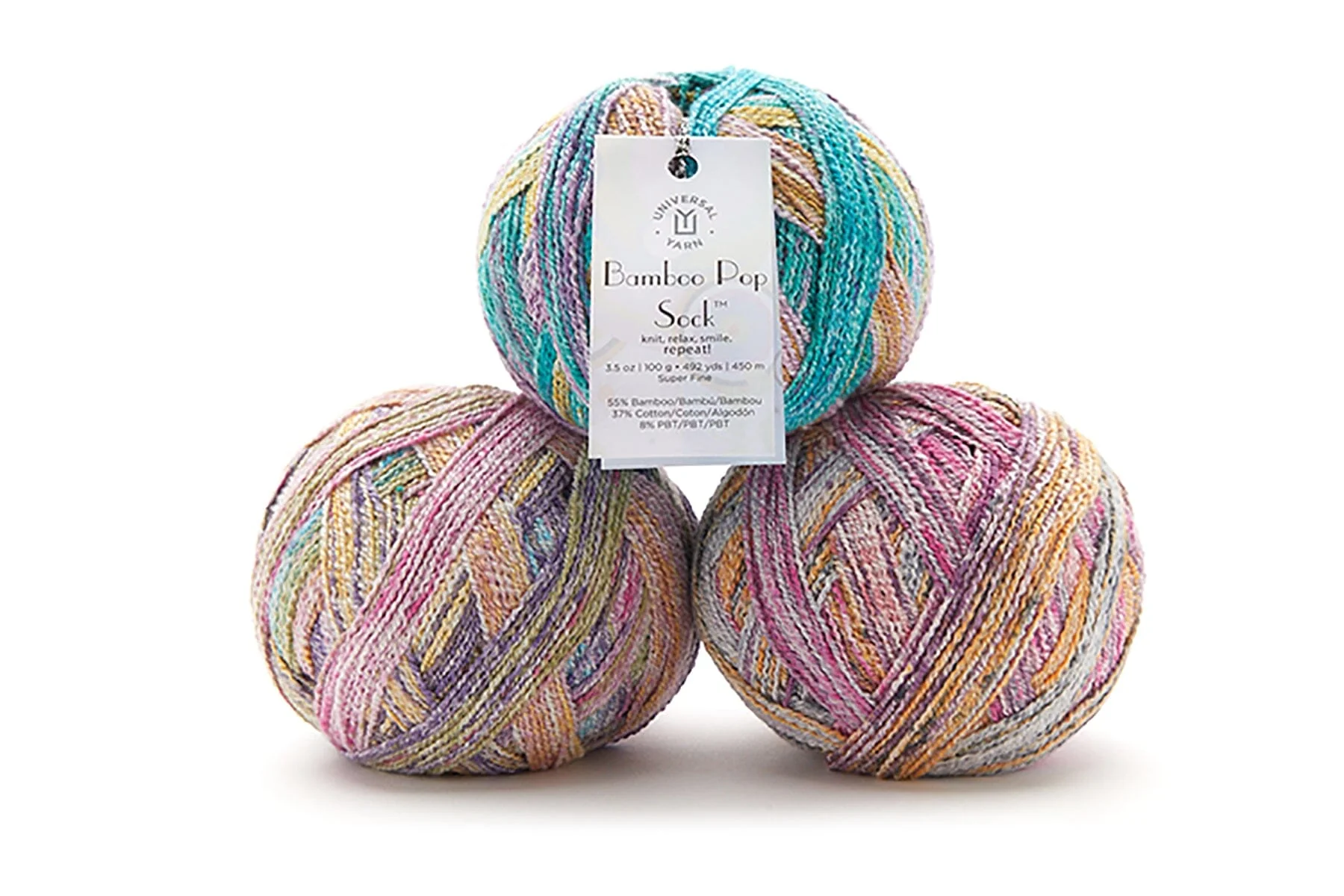
Cotton Bamboo Sock Yarn
Breathable cotton-bamboo sock yarn blend ideal for warm weather socks and sensitive skin. This eco-friendly fingering weight option offers natural antibacterial properties with moisture-wicking capabilities for comfortable all-day wear in various climates.
Key Features:
- 60% cotton, 40% bamboo fiber blend
- Natural antibacterial properties
- Moisture-wicking capabilities
- Eco-friendly sustainable fibers
- Smooth fingering weight texture
- Hypoallergenic for sensitive skin
Understanding Sock Yarn and Fingering Weight Basics
Sock yarn represents one of the most specialized categories in the knitting world, specifically engineered to create durable, comfortable socks. This fingering weight yarn typically measures between 14-16 stitches per inch on US size 2-3 needles, making it the perfect gauge for sock construction.
The defining characteristics of quality sock yarn include its fine gauge, exceptional durability, and ability to maintain shape through repeated washing and wearing. Most sock yarn blends incorporate strengthening fibers like nylon or mohair to withstand the stress points common in sock construction, particularly at heels and toes.
Fingering Weight Specifications
Fingering weight yarn, also known as 4-ply in some regions, creates the ideal fabric weight for socks. This yarn weight produces a fabric that’s substantial enough for durability yet fine enough for comfortable fit inside shoes. The typical yardage ranges from 400-450 yards per 100-gram skein, providing sufficient material for one pair of adult socks.
The gauge consistency of fingering weight sock yarn ensures predictable results across different projects. Whether you’re creating basic stockinette socks or intricate cable patterns, this yarn weight maintains stitch definition while providing the flexibility needed for proper sock fit.
Essential Fiber Blends in Sock Yarn
The fiber composition of sock yarn directly impacts the performance, durability, and comfort of finished socks. Understanding these fiber characteristics helps knitters select the appropriate sock yarn for their specific needs and preferences.
Wool-Based Sock Yarns
Wool forms the foundation of most premium sock yarn blends, offering natural elasticity, temperature regulation, and moisture-wicking properties. Superwash wool treatments allow machine washing without felting, making sock care significantly more convenient. Merino wool varieties provide exceptional softness against skin while maintaining wool’s inherent durability.
Blend ratios typically range from 75-80% wool combined with 20-25% strengthening fibers. This combination preserves wool’s beneficial characteristics while adding the tensile strength necessary for high-wear areas of socks.
Synthetic Fiber Reinforcement
Nylon additions in sock yarn serve as the primary reinforcement fiber, dramatically extending sock lifespan. This synthetic component concentrates its benefits in heel and toe areas where abrasion occurs most frequently. Polyamide alternatives offer similar strengthening properties with slightly different feel characteristics.
Some sock yarn manufacturers incorporate elastic fibers in small percentages to enhance recovery and fit retention. These additions help socks maintain their shape through extended wear and multiple wash cycles.
Choosing the Right Sock Yarn for Your Project
Selecting appropriate sock yarn requires consideration of the intended use, recipient, and knitting experience level. Different sock yarn characteristics serve various purposes, from everyday wear to specialized athletic or dress socks.
Climate and Seasonal Considerations
Wool-blend sock yarns excel in cooler temperatures, providing insulation and moisture management for fall and winter wear. The natural crimp in wool fibers creates air pockets that trap warm air while allowing moisture vapor to escape.
Cotton and bamboo sock yarn blends perform better in warm climates, offering superior breathability and cooling properties. These plant-based fibers lack wool’s natural elasticity but compensate with enhanced moisture absorption and quick-drying characteristics.
Durability Requirements
High-wear applications demand sock yarn with maximum nylon content, typically 25-30% of the total fiber blend. Work socks, hiking socks, and children’s socks benefit from this enhanced durability focus. Athletic sock yarn often incorporates additional synthetic fibers for specific performance characteristics.
Delicate or luxury sock yarn may prioritize comfort over maximum durability, featuring higher percentages of premium fibers like cashmere or alpaca blended with wool and minimal synthetic content.
Sock Yarn Construction Techniques and Patterns
The fine gauge of sock yarn enables intricate pattern work while maintaining the structural integrity necessary for functional socks. Understanding how different construction methods interact with sock yarn helps achieve optimal results.
Traditional Sock Construction
Top-down sock construction remains the most popular method, beginning with ribbed cuffs and progressing through the leg, heel turn, and toe shaping. Sock yarn’s consistent gauge ensures smooth transitions between these different construction phases. The yarn’s strength allows for the stress concentrations created during heel turn techniques.
Toe-up construction has gained popularity among knitters who prefer trying on socks during construction. This method works particularly well with sock yarn because the fine gauge allows precise fit adjustments throughout the process.
Colorwork and Pattern Integration
Sock yarn’s fine weight makes it ideal for detailed colorwork patterns, including fair isle designs and intricate cables. The yarn’s stability prevents pattern distortion while providing clear stitch definition. Stranded colorwork techniques work particularly well because sock yarn’s structure maintains even tension across color changes.
Self-striping and gradient sock yarns eliminate the complexity of color changes while creating visually interesting socks. These specially dyed yarns coordinate color transitions with typical sock construction lengths.
Care and Maintenance of Sock Yarn Projects
Proper care extends the life of sock yarn projects significantly, preserving both appearance and structural integrity. Understanding the specific requirements of different sock yarn fibers ensures optimal performance throughout the sock’s lifespan.
Washing and Drying Methods
Superwash sock yarn tolerates machine washing on gentle cycles with cool water temperatures. Using wool-specific detergents preserves the fiber’s natural properties while preventing harsh chemical damage. Mesh laundry bags protect socks from snags and excessive agitation during machine washing.
Air drying remains the preferred method for all sock yarn types, maintaining shape and preventing heat damage from dryers. Laying socks flat on absorbent towels allows even moisture evaporation without stretching or distortion.
Storage and Organization
Proper storage prevents moth damage in wool sock yarns while maintaining fiber integrity. Cedar blocks or lavender sachets provide natural moth deterrence without chemical treatments that might affect sensitive skin. Climate-controlled storage areas prevent humidity fluctuations that can affect yarn stability.
Project organization systems help track sock yarn inventory and ensure adequate yardage for planned projects. Color coordination and weight verification prevent project delays caused by insufficient materials.
Advanced Sock Yarn Techniques and Troubleshooting
Mastering advanced techniques with sock yarn opens possibilities for custom fit modifications and specialized sock constructions. These skills particularly benefit knitters creating socks for unusual sizes or specific performance requirements.
Gauge Modifications and Adjustments
Sock yarn’s consistent characteristics allow for controlled gauge modifications through needle size adjustments. Tighter gauges create more durable socks suitable for heavy wear, while looser gauges produce softer, more drapeable fabrics. Understanding these relationships helps customize sock performance for specific applications.
Yarn substitutions require careful consideration of both weight and fiber content compatibility. Maintaining similar yardage and care requirements ensures successful project completion while preserving intended performance characteristics.
Common Issues and Solutions
Tension inconsistencies in sock yarn projects often result from needle size variations or knitter fatigue during long sessions. Regular gauge checking and consistent knitting sessions help maintain even fabric appearance. Blocking finished socks equalizes minor tension variations while setting final measurements.
Color bleeding in sock yarn occasionally occurs with deeply saturated colors or inadequately set dyes. Pre-washing yarn skeins in cool water identifies potential bleeding issues before project completion, allowing for appropriate preventive measures.
Frequently Asked Questions
Creating Perfect Socks with Quality Sock Yarn
Mastering the art of sock knitting begins with understanding the unique properties and requirements of sock yarn. This specialized fingering weight yarn combines the comfort of natural fibers with the durability needed for functional, long-lasting socks. Whether you choose traditional wool blends, innovative synthetic combinations, or eco-friendly plant-based options, the right sock yarn forms the foundation of successful sock projects.
The investment in quality sock yarn pays dividends through improved knitting experience and superior finished products. Premium sock yarn offers consistent gauge, reliable performance, and the satisfaction of creating custom-fit socks that outperform mass-produced alternatives. The fine gauge of fingering weight yarn enables both simple and complex designs while maintaining the structural integrity essential for everyday wear.
As your sock knitting skills develop, experimenting with different sock yarn types and construction techniques expands your creative possibilities. From basic stockinette socks to intricate colorwork patterns, quality sock yarn provides the reliable foundation needed for ambitious projects. The durability and performance characteristics of well-chosen sock yarn ensure that your handknitted socks provide years of comfortable wear.
Ultimately, the joy of sock knitting lies in the perfect marriage of form and function that quality sock yarn makes possible. Each pair of handknitted socks represents not just a practical garment, but a testament to the careful selection of materials and the application of time-tested techniques that transform simple yarn into essential wardrobe pieces.