
Portable and Computerized Sewing Machines: Complete Guide
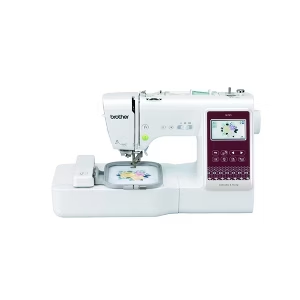
Brother XM2701 Lightweight Sewing Machine
This versatile computerized sewing machine features 27 built-in stitches and automatic needle threading for effortless sewing. Perfect for beginners and experienced sewers, it includes instructional DVD and printed manual. The wide table provides extra workspace for quilting projects.
Key Features:
- 27 built-in stitches including decorative and blind hem
- Automatic needle threader saves time and reduces eye strain
- Drop-in bobbin system for easy thread loading
- Instructional DVD and printed manual included
- Wide extension table for quilting projects
- LED work area light for better visibility
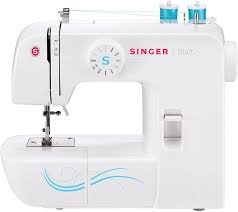
Singer Start 1304
An ultra-portable basic sewing machine designed for beginners and simple projects. This mechanical sewing machine offers essential stitches with easy operation and lightweight design. Pre-set stitch length and zigzag width eliminate guesswork for new sewers seeking reliable performance.
Key Features:
- Lightweight 12-pound design for easy portability
- 6 built-in stitches for essential sewing needs
- Pre-set stitch length and width for simplicity
- Dual spool pins for twin needle sewing
- Free arm for sewing sleeves and cuffs
- Heavy-duty metal frame for durability
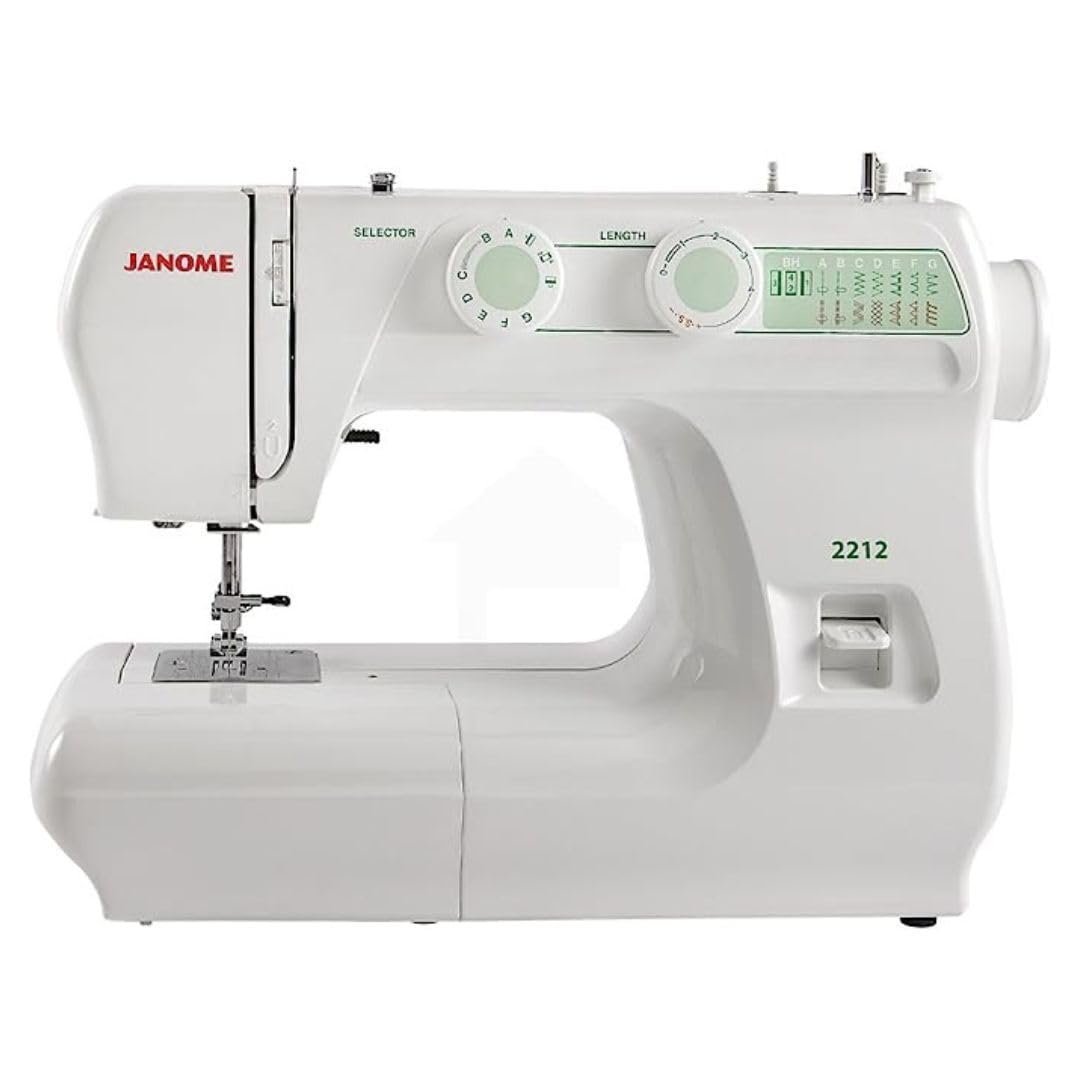
Janome 2212 Sewing Machine
This mechanical portable sewing machine combines reliability with simplicity for long-lasting performance. Features front-loading bobbin and adjustable stitch length with zigzag capability. Built with quality components, this sewing machine handles various fabric weights from delicate silk to heavy denim.
Key Features:
- Front-loading bobbin with clear cover
- Adjustable stitch length up to 4mm
- Adjustable zigzag stitch up to 5mm
- Manual tension control for different fabrics
- Dial pattern selection for easy stitch changes
- Free arm capability for circular sewing
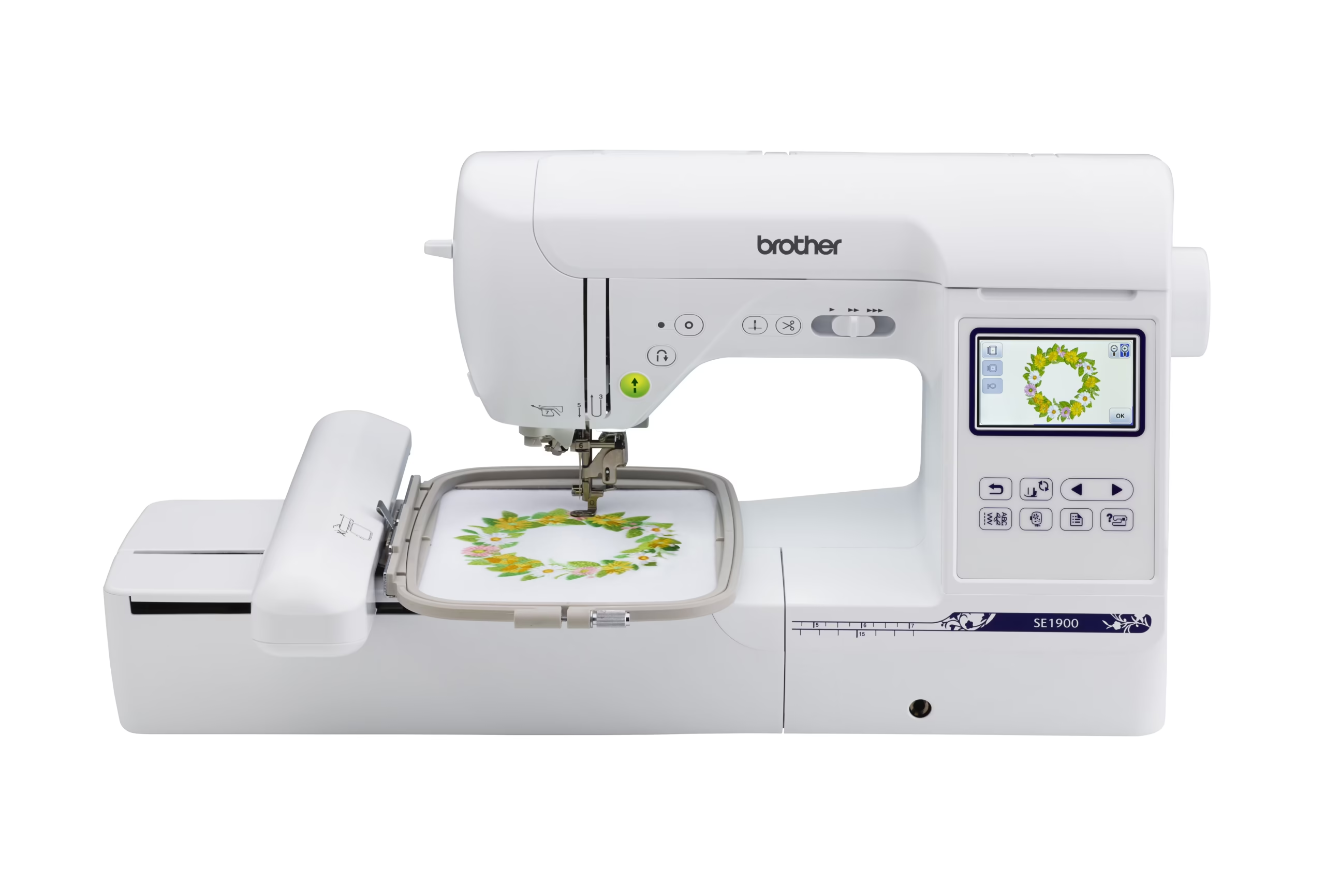
Brother SE1900 Sewing and Embroidery Machine
Advanced computerized sewing machine with embroidery capabilities featuring 138 built-in designs and 240 built-in stitches. Large color LCD touchscreen makes selection effortless while automatic features streamline the sewing process. Perfect for creative sewers wanting professional embroidery results at home.
Key Features:
- 138 built-in embroidery designs and 19 fonts
- 240 built-in sewing stitches including decorative options
- Large 3.7-inch color LCD touchscreen display
- Automatic needle threading and thread cutting
- 5×7 inch maximum embroidery area
- USB port for importing additional designs
Understanding Sewing Machine Types: Portable vs Computerized
Modern sewing machines fall into two main categories: portable mechanical models and advanced computerized versions. Each type offers distinct advantages depending on your sewing experience, project complexity, and mobility needs.
Portable sewing machines prioritize lightweight design and basic functionality, making them ideal for beginners or sewers who frequently transport their equipment. These mechanical models typically feature essential stitches, manual controls, and straightforward operation without electronic components.
Computerized sewing machines incorporate digital technology to automate many sewing processes and expand creative possibilities. These advanced models offer extensive stitch libraries, automatic features, and programmable settings that enhance precision and efficiency for complex projects.
Benefits of Portable Sewing Machines
Lightweight and Compact Design
Portable sewing machines typically weigh between 12-20 pounds, making them easy to transport between locations. Their compact footprint fits comfortably on small tables or temporary workspaces, perfect for apartment living or shared spaces.
Simple Operation and Maintenance
Mechanical sewing machines feature intuitive manual controls that are easy to understand and operate. Without complex electronic components, these machines require minimal maintenance and are less prone to technical malfunctions.
Cost-Effective Solution
Portable sewing machines offer excellent value for budget-conscious sewers or those just starting their sewing journey. These reliable workhorses provide essential functionality without premium pricing, making quality sewing accessible to everyone.
Advantages of Computerized Sewing Machines
Advanced Stitch Selection
Computerized sewing machines typically offer 100-400+ built-in stitches, including decorative patterns, embroidery designs, and specialty stitches. Digital displays allow easy stitch selection and customization of length, width, and tension settings.
Automatic Features Save Time
Automatic needle threading, thread cutting, and buttonhole creation streamline the sewing process and reduce user fatigue. These time-saving features allow sewers to focus on creativity rather than repetitive manual tasks.
Memory and Programmability
Many computerized sewing machines can save custom stitch combinations and user preferences. This memory capability enables consistent results across multiple projects and allows for complex pattern sequences that would be difficult to achieve manually.
Key Features to Consider When Choosing a Sewing Machine
Stitch Variety and Quality
Evaluate the number and types of stitches offered by each sewing machine model. Essential stitches include straight, zigzag, blind hem, and buttonhole options, while advanced models may include decorative and embroidery stitches.
Workspace and Lighting
Consider the throat space (area right of the needle) for maneuvering fabric during sewing. Adequate LED lighting illuminates your work area, reducing eye strain during detailed projects or extended sewing sessions.
Feed System and Fabric Handling
Quality feed dogs and presser feet ensure smooth fabric movement through the sewing machine. Look for models with adjustable pressure settings to accommodate various fabric weights from delicate chiffon to heavy canvas.
Sewing Machine Maintenance and Care Tips
Regular Cleaning and Oiling
Maintain your sewing machine by cleaning lint and debris from the bobbin area, feed dogs, and tension discs after every few projects. Follow manufacturer guidelines for oiling mechanical components to ensure smooth operation.
Proper Threading and Tension
Correct threading is crucial for optimal sewing machine performance. Always thread with the presser foot up to ensure proper tension disc engagement, and adjust thread tension based on fabric type and thread weight.
Storage and Environmental Considerations
Store your sewing machine in a dry, dust-free environment when not in use. Cover the machine to protect from dust accumulation, and avoid extreme temperature changes that could affect electronic components in computerized models.
Choosing the Right Sewing Machine for Your Needs
Skill Level Assessment
Beginners should prioritize ease of use and reliability in their first sewing machine. Look for models with clear instruction manuals, basic stitch options, and simple threading systems that build confidence without overwhelming complexity.
Project Types and Frequency
Consider the types of projects you plan to create most frequently. Garment sewers benefit from buttonhole capabilities and stretch stitches, while quilters need extension tables and consistent straight stitching performance.
Budget and Long-term Investment
Balance initial cost with long-term value when selecting a sewing machine. While portable models offer affordability, computerized machines may provide better value for sewers planning extensive use or advanced techniques over time.
Frequently Asked Questions
Finding Your Perfect Sewing Machine Match
Selecting the right sewing machine depends on your individual needs, skill level, and creative aspirations. Portable sewing machines offer excellent value and convenience for beginners, students, or sewers who prioritize mobility and simplicity. These reliable workhorses provide essential functionality without overwhelming complexity, making them perfect for learning fundamental sewing skills and completing basic projects.
Computerized sewing machines open doors to advanced techniques and professional-quality results through automated features and extensive stitch libraries. While these models require a higher initial investment, they offer long-term value for serious sewers planning to expand their skills and tackle complex projects. The time-saving automatic features and consistent results justify the premium cost for many users.
Consider your current skill level, typical project types, available workspace, and budget when making your decision. Whether you choose a portable mechanical model or an advanced computerized sewing machine, proper care and regular use will ensure years of creative satisfaction. Remember that the best sewing machine is the one that matches your specific needs and encourages you to continue developing your sewing skills.
Take time to test different models in person when possible, read user reviews, and consider the manufacturer’s reputation for customer support and parts availability. With the right sewing machine as your creative partner, you’ll be well-equipped to bring your sewing projects to life with confidence and precision.