
T-Shirt Paint and Screen Printing Ink: Complete Guide to Fabric Painting
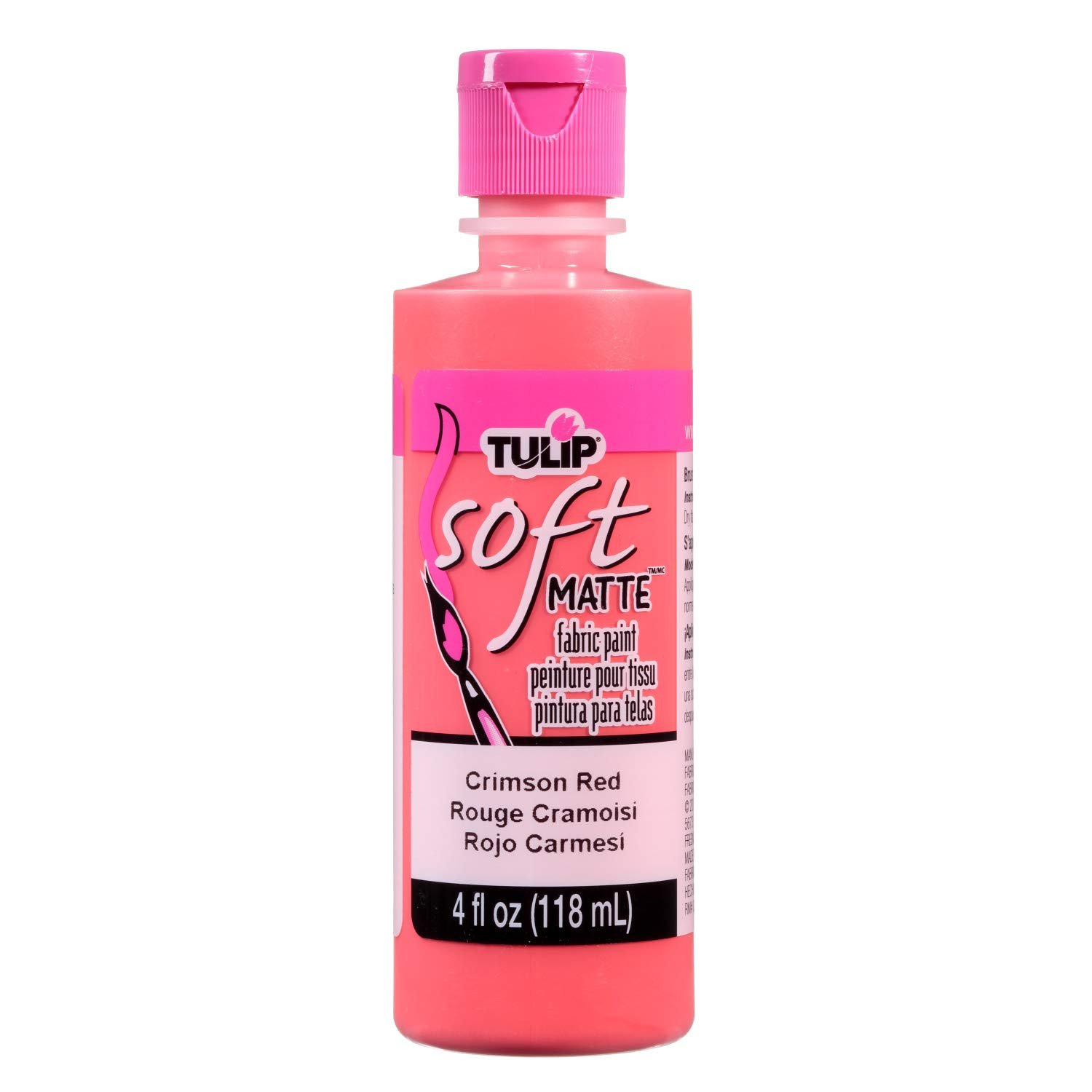
Tulip Soft Fabric Paint Set
Premium soft fabric paint designed specifically for t-shirts and apparel. This versatile paint maintains fabric flexibility while providing vibrant, long-lasting colors that won’t crack or peel after washing.
Key Features:
- Machine washable after heat setting
- Soft flexible finish that moves with fabric
- Non-toxic and safe for all ages
- Available in 24 vibrant colors
- Works on cotton, polyester, and blends
- Easy squeeze bottle application
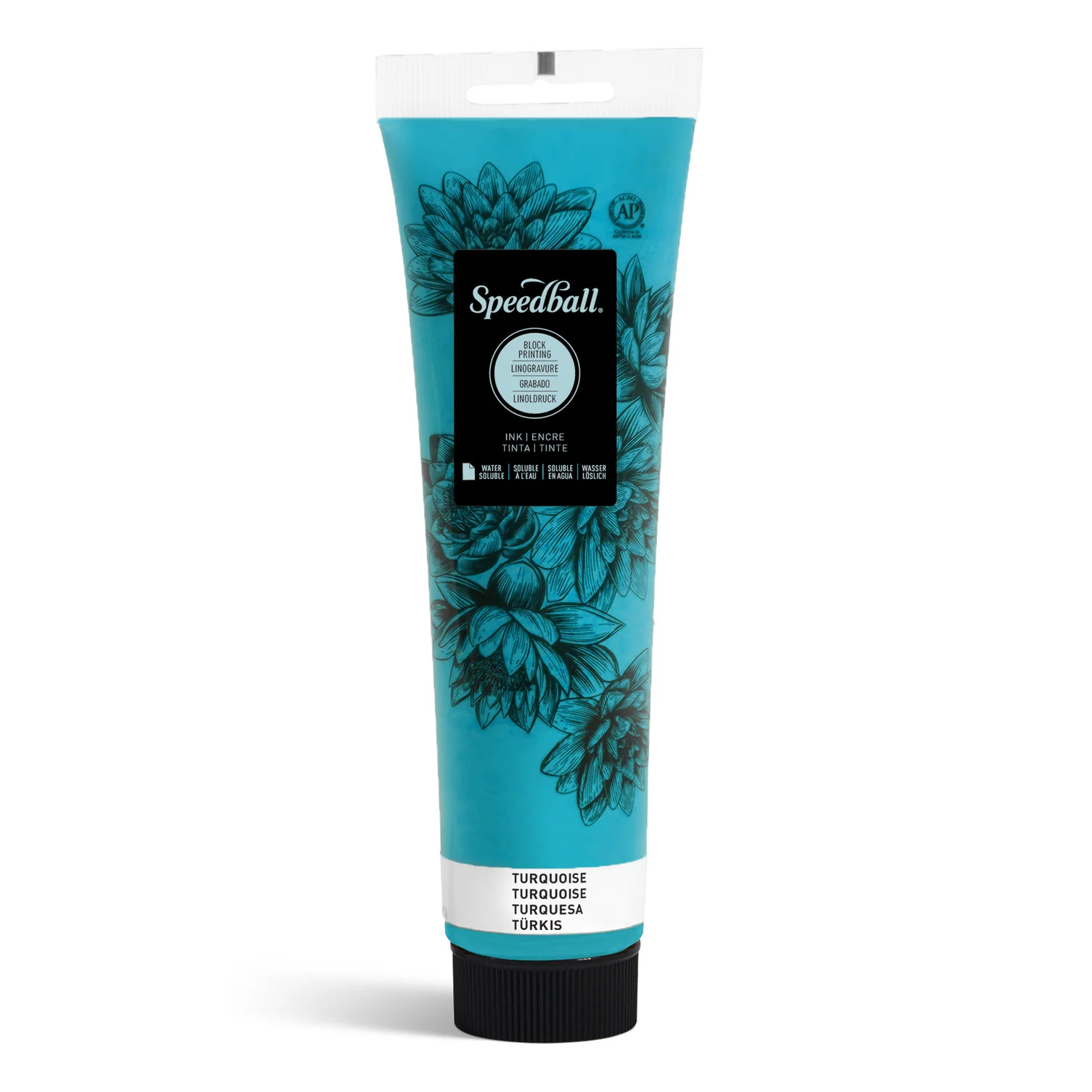
Speedball Water-Based Screen Printing Ink
Professional-grade water-based screen printing ink perfect for creating custom t-shirts. Offers excellent opacity and coverage while remaining eco-friendly and easy to clean up with soap and water.
Key Features:
- Water-based formula for easy cleanup
- Excellent opacity on dark fabrics
- Smooth printing consistency
- Heat-curable for permanent results
- Available in standard and specialty colors
- Low odor and environmentally friendly
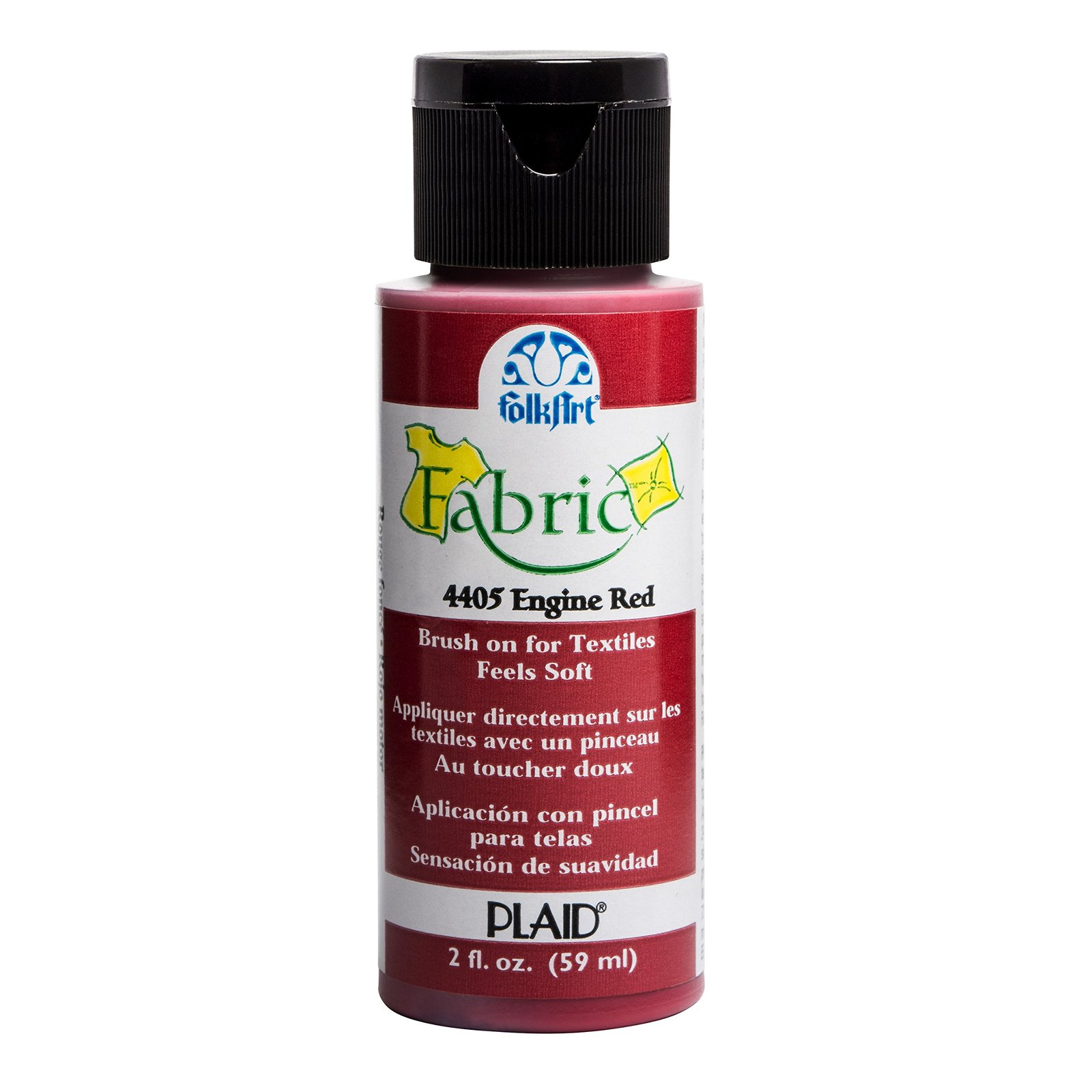
FolkArt Home Decor Fabric Paint
Versatile fabric paint ideal for both brush-on application and stenciling techniques. Creates a soft hand feel on fabrics while delivering rich, saturated colors that resist fading and washing.
Key Features:
- Brush-on or stencil application
- Permanent when heat set
- Maintains fabric softness
- Fade resistant formula
- Works on natural and synthetic fabrics
- Quick-drying formula
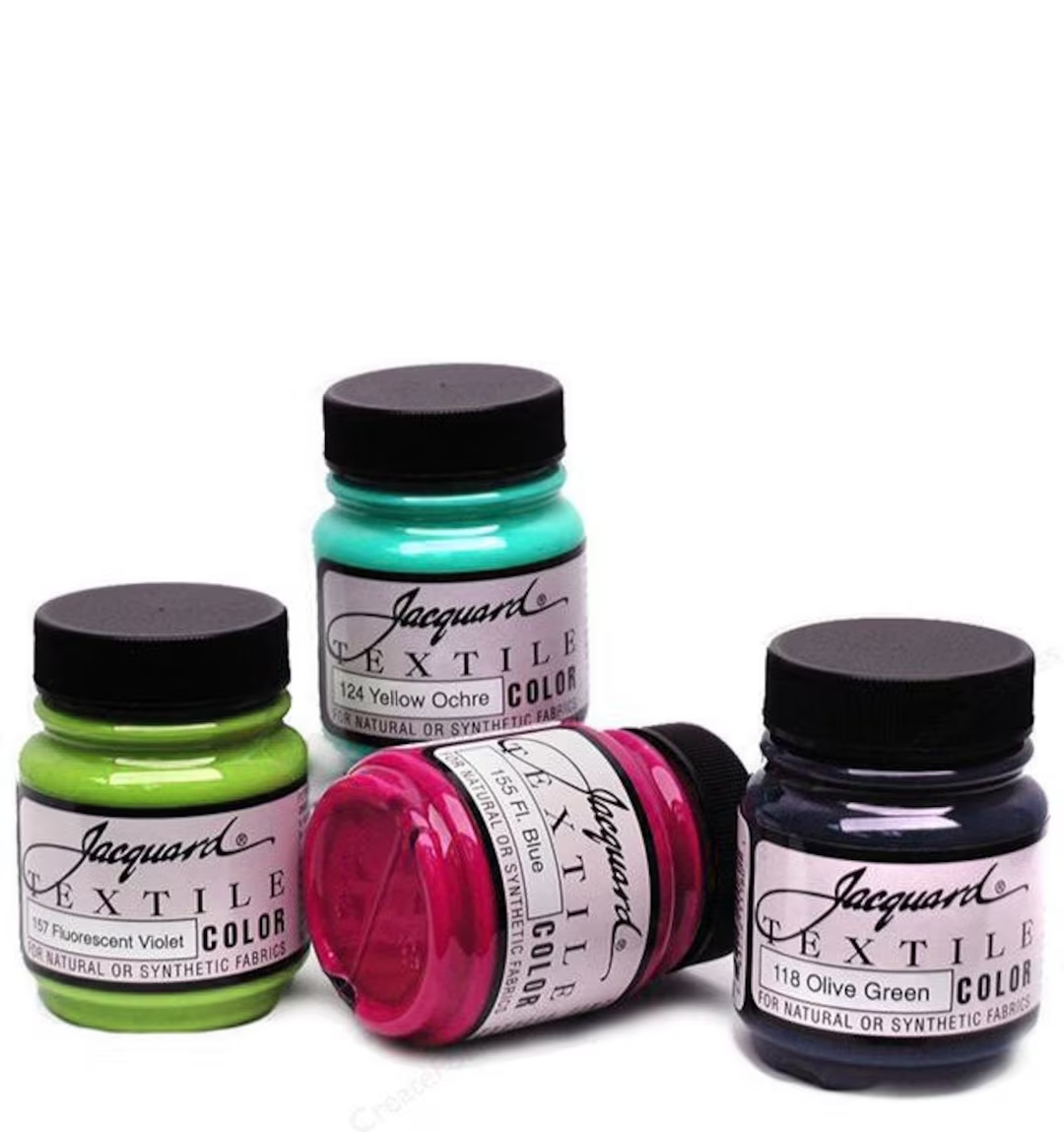
Jacquard Textile Color Paint
Artist-quality textile paint that penetrates deep into fabric fibers for superior wash-fastness. Perfect for detailed artwork and professional-looking custom t-shirt designs with exceptional color brilliance.
Key Features:
- Deep fiber penetration
- Superior wash-fastness
- Concentrated pigments for vibrant colors
- Thin consistency for fine detail work
- Can be mixed for custom colors
- Professional artist quality
Understanding T Shirt Paint vs Screen Printing Ink
When creating custom t-shirts, choosing between t shirt paint and screen printing ink depends on your project needs and application method. T shirt paint typically comes in squeeze bottles or jars and can be applied directly with brushes, sponges, or stencils.
Screen printing ink, on the other hand, is specifically formulated for the screen printing process, where ink is pushed through a mesh screen onto fabric. Both options create durable, washable designs when properly applied and heat-set.
Key Differences in Application
T shirt paint offers more flexibility for beginners and small projects. You can create freehand designs, use stencils, or apply paint with various tools for different textures and effects.
Screen printing ink requires specialized equipment but produces consistent, professional results for larger quantities. The ink’s consistency is optimized for squeegee application through screens, creating sharp, clean lines and solid color coverage.
Choosing the Right T Shirt Paint for Your Project
Selecting the appropriate t shirt paint depends on several factors including fabric type, design complexity, and intended use. Water-based paints work well on natural fibers like cotton and provide a soft hand feel after drying.
Acrylic-based t shirt paint offers excellent coverage on both light and dark fabrics. These paints typically have better opacity and can create vibrant colors even on dark backgrounds without requiring a base coat.
Fabric Compatibility
Cotton fabrics accept t shirt paint most readily, allowing for deep penetration and excellent wash-fastness. Cotton blends also work well, though synthetic content may affect paint absorption and final appearance.
Pure synthetic fabrics like polyester can be challenging for standard t shirt paint. Look for paints specifically formulated for synthetic materials or consider fabric additives that improve paint adhesion.
Color and Opacity Considerations
Light-colored t-shirts provide the best canvas for most t shirt paint colors. Transparent and semi-transparent paints work beautifully on white or light fabrics, allowing the base color to influence the final result.
Dark fabrics require opaque t shirt paint formulations that can cover the base color completely. These paints often contain more pigment and may feel slightly thicker on the fabric after drying.
Screen Printing Ink Basics and Applications
Screen printing ink provides professional-quality results for custom t-shirt production. Water-based inks offer environmental benefits and create soft prints that integrate well with fabric fibers.
Plastisol inks remain the industry standard for commercial screen printing due to their durability and vibrant colors. However, they require higher curing temperatures and contain PVC, making them less environmentally friendly than water-based alternatives.
Water-Based Screen Printing Inks
Water-based screen printing inks penetrate fabric fibers rather than sitting on top, creating prints with excellent hand feel. These inks work particularly well on cotton and natural fiber t-shirts.
Cleanup is simple with soap and water, making water-based inks ideal for home studios and small-scale operations. The inks also produce less odor during printing and curing processes.
Specialty Screen Printing Inks
Metallic and glitter screen printing inks add special effects to t-shirt designs. These specialty formulations contain reflective particles that create eye-catching finishes.
Glow-in-the-dark and color-changing inks offer unique design possibilities. While these specialty t shirt paint and ink options cost more, they create memorable custom apparel that stands out from standard designs.
Application Techniques and Best Practices
Proper application technique ensures your t shirt paint creates professional-looking, durable results. Always pre-wash fabrics to remove sizing and chemicals that might interfere with paint adhesion.
Work on a flat, protected surface with the t-shirt stretched taut. Place cardboard or plastic inside the shirt to prevent paint from bleeding through to the back.
Brush Application Methods
Use synthetic brushes designed for acrylic paints when applying t shirt paint by hand. Natural bristle brushes may absorb too much paint and create streaky results.
Apply paint in thin, even coats rather than one thick application. Multiple thin layers provide better coverage and flexibility than single heavy applications that may crack when dry.
Stenciling with T Shirt Paint
Secure stencils firmly to prevent paint from bleeding underneath edges. Use a stencil brush or sponge with a dabbing motion rather than brushing strokes that might push paint under the stencil.
Remove stencils while the t shirt paint is still slightly wet to prevent peeling dried paint along stencil edges. Clean stencils immediately for reuse on additional projects.
Heat Setting for Permanence
Heat setting transforms t shirt paint from a surface coating to a permanent part of the fabric. Most paints require heat setting with an iron or heat press at specific temperatures and durations.
Allow painted designs to air dry completely before heat setting. Place parchment paper or a pressing cloth over the design to protect both the paint and your heat source.
Troubleshooting Common T Shirt Paint Issues
Cracking represents the most common problem with t shirt paint applications. This usually results from applying paint too thickly or not allowing proper drying time between coats.
Poor wash-fastness often indicates inadequate heat setting or using paint not designed for fabric applications. Always follow manufacturer instructions for heat setting temperatures and times.
Paint Bleeding and Smearing
Bleeding occurs when t shirt paint spreads beyond intended design areas. This problem typically results from using paint that’s too thin or applying it to damp fabric.
Fabric preparation plays a crucial role in preventing bleeding. Ensure t-shirts are completely dry and free from fabric softeners that might interfere with paint adhesion.
Uneven Coverage Issues
Streaky or uneven coverage usually indicates insufficient paint application or using the wrong application tool. Different t shirt paint formulations require specific application techniques for best results.
Practice on fabric scraps before working on finished garments. This allows you to adjust paint consistency and application technique without risking completed projects.
Care and Maintenance of Painted T-Shirts
Proper care extends the life of custom t-shirts created with t shirt paint. Wait at least 72 hours after heat setting before the first wash to ensure complete curing.
Wash painted t-shirts in cold water with gentle detergent. Avoid bleach and fabric softeners that can break down paint bonds and cause premature fading or peeling.
Washing and Drying Guidelines
Turn painted t-shirts inside out before washing to protect designs from direct agitation. Use gentle or delicate wash cycles to minimize stress on painted areas.
Air drying produces the best results for t shirt paint longevity. If using a dryer, use low heat settings and remove shirts while slightly damp to finish air drying.
Storage and Long-Term Care
Store painted t-shirts flat or hung to prevent creasing painted areas. Folding directly on painted designs can cause cracking over time, especially with thicker paint applications.
Periodically inspect painted designs for signs of wear. Small touch-ups with matching t shirt paint can extend garment life and maintain appearance quality.
Frequently Asked Questions
Creating Professional Results with T Shirt Paint
Whether you choose traditional t shirt paint for hand-painted designs or screen printing ink for production work, success depends on selecting quality materials and following proper techniques. Each method offers unique advantages for different project types and skill levels.
T shirt paint provides creative flexibility and accessibility for beginners, while screen printing ink delivers consistent, professional results for larger quantities. Understanding the strengths of each approach helps you make informed decisions for your custom apparel projects.
Investment in quality t shirt paint and proper application tools pays dividends in final results and design longevity. Take time to practice techniques on test fabrics before working on finished garments, and always follow manufacturer instructions for heat setting and care.
With proper materials, technique, and care, your custom t-shirt creations using t shirt paint or screen printing ink will provide lasting satisfaction and professional-looking results that withstand regular wear and washing.