
Natural Cotton Muslin Fabric: Complete Guide to Uses, Types, and Benefits
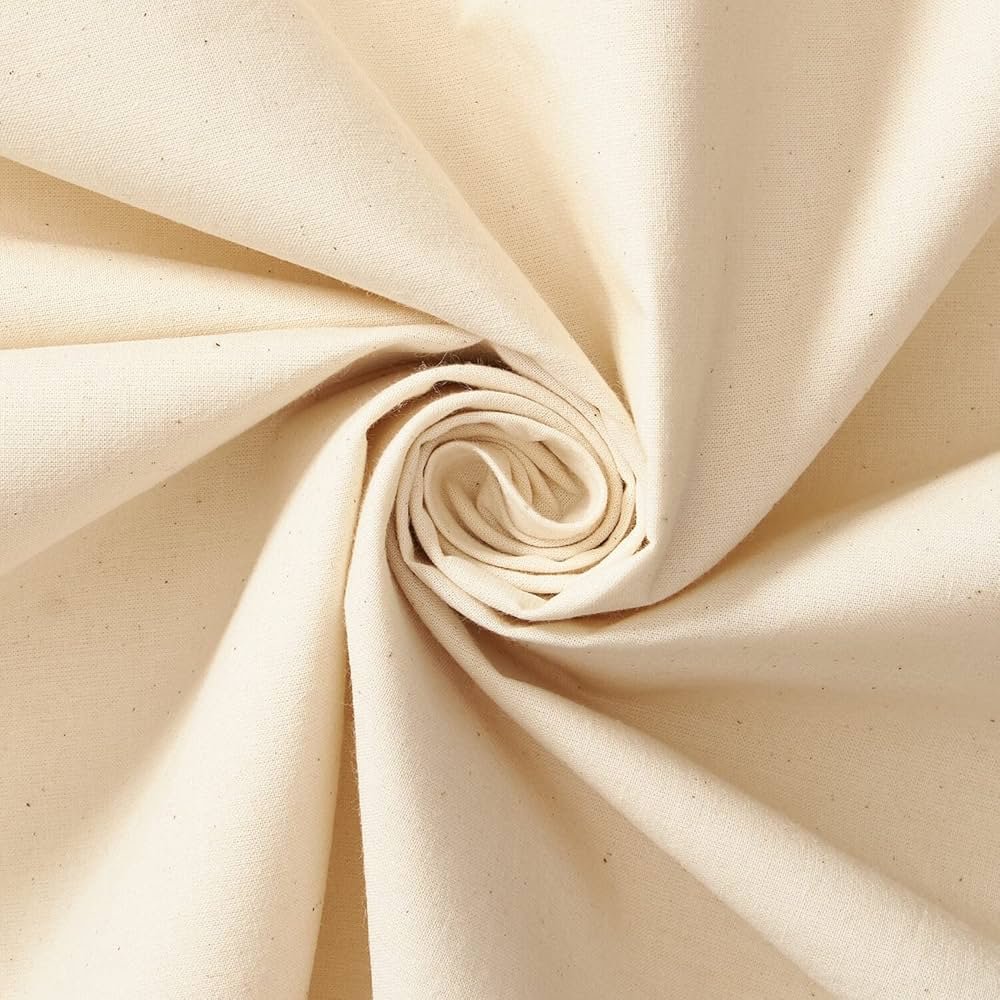
Premium Natural Cotton Muslin – Unbleached
This high-quality unbleached cotton muslin fabric offers exceptional versatility for quilting, garment construction, and crafting projects. The natural cream color and breathable weave make it perfect for test garments, backing material, and general sewing needs with excellent drape and durability.
Key Features:
- 100% natural unbleached cotton
- Medium-weight construction
- Excellent drape and breathability
- Perfect for test garments
- Machine washable and pre-shrunk
- 45-inch width for versatility
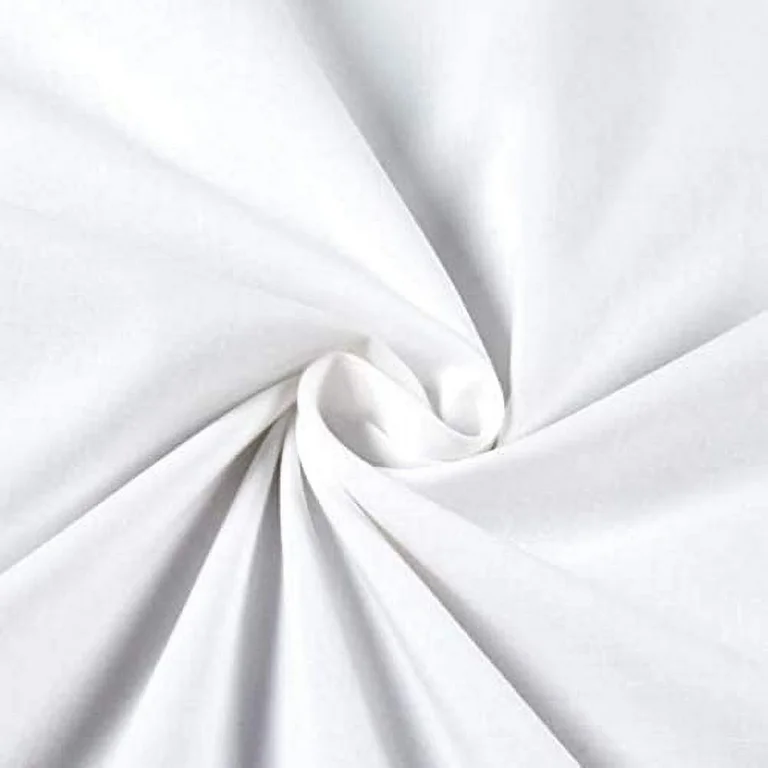
Bleached White Cotton Muslin
Crisp white cotton muslin fabric that’s ideal for embroidery, appliqué work, and projects requiring a clean backdrop. This bleached version maintains the classic muslin properties while providing a bright white base that accepts dyes beautifully and works perfectly for professional dressmaking and quilting applications.
Key Features:
- Bright white bleached finish
- Smooth, even weave texture
- Excellent for dyeing and printing
- Professional dressmaking quality
- Lightweight yet durable construction
- Easy to cut and sew
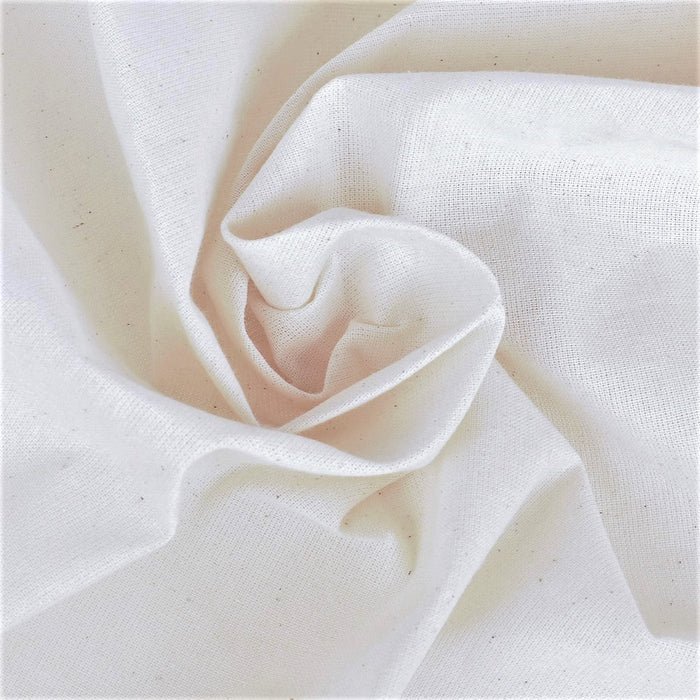
Heavyweight Cotton Muslin
Sturdy heavyweight cotton muslin fabric designed for projects requiring extra durability and structure. This robust version maintains breathability while offering increased strength, making it perfect for home décor items, protective covers, and craft projects that need reliable performance and longevity.
Key Features:
- Heavy-duty weight construction
- Superior durability and strength
- Maintains breathability
- Ideal for home décor projects
- Resists fraying and wear
- Professional quilting backing quality
Understanding Natural Cotton Muslin Fabric
Natural cotton muslin fabric represents one of the most versatile and beloved materials in the sewing and crafting world. This plain-weave cotton fabric has been cherished by makers for centuries due to its exceptional workability and affordable price point.
Muslin fabric originated in the city of Mosul, Iraq, where skilled weavers first created this distinctive plain-weave cotton textile. The fabric quickly gained popularity across the globe for its practical applications and ease of use in various projects.
What Makes Muslin Fabric Special
The beauty of muslin fabric lies in its simplicity and functionality. Created using a basic over-and-under weave pattern, this cotton fabric offers excellent breathability and a soft hand feel that improves with each wash.
Natural cotton muslin fabric comes in various weights, from lightweight cheese cloth consistency to heavy-duty versions suitable for demanding applications. This range of options makes it invaluable for sewists, quilters, and crafters working on diverse projects.
Types of Natural Cotton Muslin
Unbleached muslin fabric maintains its natural cream or off-white color, offering an organic appearance that many crafters prefer. This version often feels softer and more rustic, making it ideal for vintage-inspired projects and natural textile applications.
Bleached muslin fabric provides a crisp white base that’s perfect for dyeing, printing, and projects requiring a clean backdrop. The bleaching process creates a brighter appearance while maintaining all the beneficial properties of natural cotton muslin fabric.
Popular Uses for Muslin Fabric in Sewing and Crafts
Muslin fabric serves countless purposes in the sewing room, making it an essential material for both beginners and experienced makers. Its forgiving nature and affordable cost make it perfect for practice projects and professional applications alike.
Garment Construction and Fitting
Dressmakers and tailors rely heavily on muslin fabric for creating toile or test garments. This practice allows designers to perfect fit and construction techniques before cutting into expensive fashion fabrics.
The breathable nature of cotton muslin fabric makes it excellent for lining garments, particularly in warm-weather clothing. Its lightweight properties add minimal bulk while providing necessary coverage and comfort.
Quilting Applications
Quilters frequently choose muslin fabric for backing large quilts due to its wide availability and cost-effectiveness. The natural cotton fibers blend beautifully with other cotton fabrics, creating cohesive finished projects.
Muslin also works wonderfully as a foundation fabric for appliqué work and hand embroidery projects. Its stable weave provides excellent support for detailed stitching while remaining easy to work with.
Home Décor and Craft Projects
Crafters love using natural cotton muslin fabric for creating curtains, dust covers, and protective storage bags. Its durability and washability make it practical for items that need regular cleaning.
The fabric’s ability to accept dyes and paints beautifully makes it popular for fabric art projects, custom printing, and children’s craft activities.
Benefits of Choosing Natural Cotton Muslin Fabric
Natural cotton muslin fabric offers numerous advantages that have made it a staple in sewing rooms worldwide. Understanding these benefits helps crafters make informed decisions about when and how to incorporate this versatile material into their projects.
Breathability and Comfort
The loose plain weave of muslin fabric allows excellent air circulation, making it comfortable against the skin and suitable for warm-weather garments. This breathability also prevents moisture buildup in storage applications.
Cotton’s natural fibers provide softness that improves with washing, creating increasingly comfortable finished products. This characteristic makes muslin fabric particularly valuable for items that require frequent laundering.
Affordability and Accessibility
One of the greatest advantages of muslin fabric is its exceptional value. Crafters can purchase generous quantities without straining their budgets, making it perfect for large projects like quilt backings and practice garments.
The widespread availability of natural cotton muslin fabric means crafters can easily find it in most fabric stores. This accessibility ensures consistent supply for ongoing projects and eliminates sourcing challenges.
Versatility in Applications
Muslin fabric works beautifully across numerous project types, from delicate embroidery to sturdy home décor items. This versatility reduces the need to stock multiple fabric types for different applications.
The neutral colors of natural muslin fabric complement virtually any design aesthetic. Whether used as a backdrop or primary material, it enhances rather than competes with other design elements.
Working with Muslin Fabric: Tips and Techniques
Successfully working with muslin fabric requires understanding its unique characteristics and adapting techniques accordingly. These insights help ensure professional-looking results in any project.
Preparing Muslin Fabric for Use
Pre-washing natural cotton muslin fabric is essential to prevent shrinkage in finished projects. Wash in warm water with mild detergent, then dry according to your project’s final care requirements.
Pressing muslin fabric while slightly damp achieves the smoothest results. The cotton fibers respond well to steam, creating crisp edges and eliminating wrinkles effectively.
Cutting and Sewing Considerations
When cutting muslin fabric, ensure your scissors or rotary cutter is sharp to prevent fraying and achieve clean edges. The loose weave can shift if cut with dull tools.
Use appropriate needle sizes for your muslin fabric weight. Lightweight versions work best with universal needles size 70/10 to 80/12, while heavier weights may require size 90/14 needles.
Finishing Techniques
The edges of muslin fabric benefit from proper finishing to prevent fraying during use and washing. French seams work beautifully for garments, while serged or pinked edges suffice for many craft applications.
When hemming muslin fabric, consider the final use of your project. Simple double-fold hems work well for most applications, while more formal garments may benefit from blind hem techniques.
Care and Maintenance of Cotton Muslin Fabric
Proper care ensures that items made from natural cotton muslin fabric maintain their appearance and functionality over time. Following appropriate maintenance practices extends the life of your finished projects significantly.
Washing Guidelines
Most muslin fabric items can be machine washed in warm water with regular laundry detergent. Avoid bleach unless working with white muslin fabric that specifically requires brightening.
For delicate items or those with special embellishments, hand washing in cool water provides gentler treatment. Always test washing methods on fabric scraps before treating finished projects.
Drying and Storage
Line drying helps maintain the integrity of cotton muslin fabric fibers and prevents excessive shrinkage. If using a dryer, choose medium heat settings and remove items while slightly damp to minimize wrinkles.
Store finished muslin fabric items in breathable containers or garment bags. Avoid plastic storage that can trap moisture and lead to mildew problems.
Addressing Common Issues
If muslin fabric items develop stains, treat them promptly with appropriate stain removers. The natural cotton fibers typically respond well to standard stain treatment methods.
Fading can occur with frequent washing and sun exposure. To minimize this issue, wash in cool water when possible and avoid prolonged direct sunlight during drying.
Selecting the Right Muslin Fabric for Your Project
Choosing appropriate muslin fabric ensures project success and satisfaction with finished results. Consider these factors when selecting from available options.
Weight Considerations
Lightweight muslin fabric works best for garment linings, test fits, and delicate craft projects. This weight drapes beautifully and creates minimal bulk in finished items.
Medium-weight options provide versatility for most general sewing applications. This weight offers durability while maintaining the workability that makes muslin fabric so popular.
Heavyweight muslin fabric excels in applications requiring structure and durability, such as home décor items, bags, and protective covers.
Color Choices
Unbleached natural cotton muslin fabric offers warmth and character with its cream or off-white coloration. This option works beautifully in vintage-inspired projects and natural aesthetics.
Bleached white muslin fabric provides versatility for projects requiring neutral backgrounds or those destined for dyeing and custom coloring.
Quality Indicators
Look for even weave patterns without thick or thin areas that might affect finished project appearance. Quality muslin fabric should feel consistent throughout the yardage.
Check for appropriate hand feel for your intended use. The fabric should feel substantial enough for your project without being unnecessarily heavy or stiff.
Frequently Asked Questions
Discover the Versatility of Natural Cotton Muslin Fabric
Natural cotton muslin fabric stands as one of the most valuable materials in any crafter’s collection, offering unmatched versatility and reliability across countless applications. From professional dressmaking and quilting projects to creative crafts and home décor items, this timeless fabric continues to prove its worth through consistent performance and affordability.
The breathable, comfortable nature of muslin fabric makes it suitable for projects ranging from delicate garment linings to sturdy protective covers. Its ability to accept dyes and paints beautifully opens up endless creative possibilities, while its forgiving nature makes it perfect for beginners learning new techniques and experienced makers perfecting their skills.
Whether you choose unbleached muslin fabric for its natural, rustic appeal or bleached varieties for their clean versatility, you’re investing in a material that has served crafters faithfully for centuries. The combination of quality, affordability, and accessibility ensures that muslin fabric will continue to be a staple in sewing rooms and craft spaces for generations to come.
Explore the possibilities that natural cotton muslin fabric offers for your next project. With proper selection, preparation, and care, this remarkable textile will help you create beautiful, functional items that showcase both your creativity and craftsmanship while providing lasting satisfaction and utility.