
Liquid Stitch Fabric Bonding Adhesive: No-Sew Solutions for Every Project
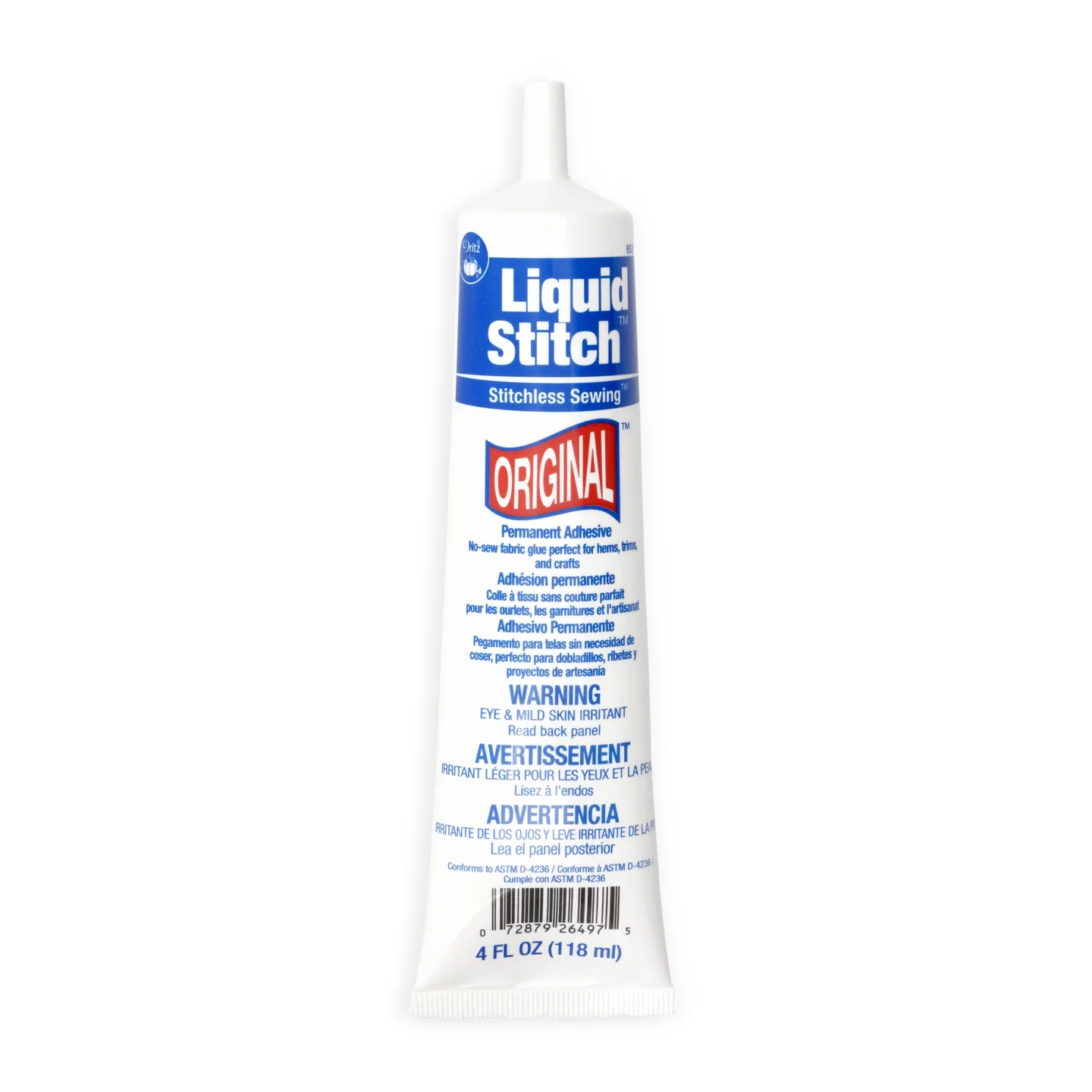
Dritz Liquid Stitch Fabric Glue
Professional-grade liquid stitch adhesive that creates permanent, flexible bonds between fabrics. Dries clear and remains washable after 48 hours of curing. Perfect for hemming, repairs, and no-sew projects requiring strong, lasting adhesion.
Key Features:
- Permanent washable bond after curing
- Dries completely clear and flexible
- Works on cotton, polyester, denim, and blends
- Easy squeeze bottle application
- No heat setting required
- Machine washable and dry cleanable
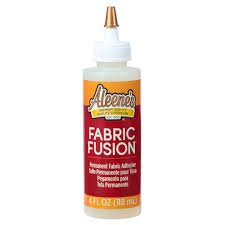
Aleene’s Fabric Fusion Liquid Stitch
Fast-drying liquid stitch formula designed for quick fabric bonding projects. Creates strong, permanent bonds that withstand washing and wearing. Ideal for emergency repairs, costume making, and temporary to permanent fabric joining applications.
Key Features:
- Quick-drying formula sets in minutes
- Permanent flexible bond when dry
- Non-toxic and safe for indoor use
- Precision tip for detailed application
- Works on natural and synthetic fabrics
- Resistant to washing and dry cleaning
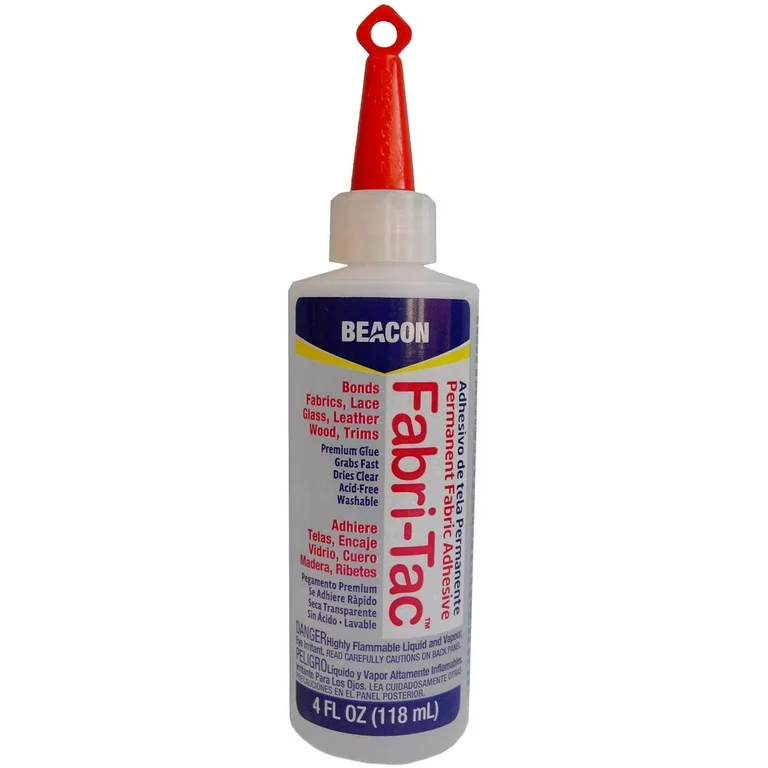
Beacon Fabri-Tac Permanent Liquid Stitch Adhesive
Heavy-duty liquid stitch adhesive engineered for demanding fabric bonding applications. Provides industrial-strength permanent bonds while maintaining fabric flexibility. Excellent for upholstery repairs, outdoor gear, and high-stress fabric joints.
Key Features:
- Industrial-strength permanent bonding
- Maintains fabric flexibility and stretch
- Waterproof when fully cured
- Temperature resistant formula
- Suitable for heavy fabrics and canvas
- Professional-grade durability
What is Liquid Stitch and How Does It Work
Liquid stitch is a specialized fabric bonding adhesive designed to create permanent, flexible bonds between fabric pieces without the need for traditional sewing. This innovative adhesive solution penetrates fabric fibers to form strong molecular bonds that remain flexible after drying.
Unlike temporary fabric glues, liquid stitch creates permanent connections that withstand repeated washing, drying, and normal wear. The adhesive works by forming cross-linked polymer chains within and between fabric fibers, essentially creating a chemical “stitch” that holds materials together.
Understanding Fabric Bonding Technology
The science behind liquid stitch involves specially formulated polymers that cure at room temperature. When applied to fabric, these polymers penetrate the weave structure and form permanent bonds as the solvent evaporates. This process creates connections that are often stronger than the fabric itself.
Most liquid stitch formulas remain workable for several minutes after application, allowing for repositioning before the initial set occurs. Full curing typically takes 24-48 hours, during which the bond strength continues to increase until reaching maximum adhesion.
Best Applications for Liquid Stitch Fabric Adhesive
Liquid stitch excels in numerous fabric bonding applications where traditional sewing may be impractical, impossible, or undesirable. Emergency clothing repairs represent one of the most common uses, allowing quick fixes for torn seams, loose hems, and fabric tears without needle and thread.
Craft and hobby projects benefit enormously from liquid stitch applications. Quilters use it for appliqué work, costume makers rely on it for quick alterations, and home decorators apply it for curtain hems and fabric treatments. The adhesive works particularly well for projects requiring invisible bonds.
Professional and Industrial Uses
Upholstery professionals frequently use liquid stitch for furniture repairs and reupholstering projects. The adhesive provides strong bonds in areas where sewing machines cannot reach, such as tight corners and curved surfaces. Automotive upholstery repairs also benefit from liquid stitch applications.
Outdoor gear maintenance represents another valuable application area. Tent repairs, backpack patches, and sleeping bag fixes can be accomplished quickly with liquid stitch, often providing temporary repairs that become permanent solutions. The waterproof properties of cured liquid stitch make it ideal for outdoor equipment.
Creative Crafting Applications
Fabric artists and crafters discover new uses for liquid stitch regularly. No-sew pillows, fabric wall hangings, and textile art projects become possible without traditional stitching techniques. The adhesive allows for layering effects and dimensional fabric work that would be difficult to achieve with conventional sewing methods.
How to Use Liquid Stitch for Best Results
Proper application technique ensures maximum bond strength and longevity when using liquid stitch. Begin by cleaning both fabric surfaces to remove dirt, oils, and sizing chemicals that might interfere with adhesion. Allow fabrics to dry completely before applying the adhesive.
Apply liquid stitch in thin, even layers to both surfaces being bonded. Avoid over-application, as excess adhesive can create stiff spots and may not cure properly. Most liquid stitch formulas work best when applied sparingly and evenly across the bond area.
Step-by-Step Application Process
Start by positioning fabrics correctly before applying liquid stitch, as repositioning becomes difficult once the adhesive begins to set. Apply the adhesive using the bottle’s applicator tip or a small brush for larger areas. Work in sections for complex projects to maintain control over the bonding process.
Press bonded areas firmly together and maintain pressure for the initial setting time specified by the manufacturer. Use clips, weights, or temporary stitching to hold pieces in position during the initial cure period. Avoid disturbing the bond during the first hour after application.
Curing and Care Instructions
Allow liquid stitch bonds to cure undisturbed for the full recommended time before handling or washing. Most formulas require 24-48 hours for complete curing, though initial handling strength develops within hours. Avoid exposing fresh bonds to moisture during the curing period.
Once fully cured, liquid stitch bonds can typically withstand normal washing and drying cycles. Use appropriate water temperatures for the fabric being treated, and avoid bleach or harsh chemicals that might affect the cured adhesive. Properly cured liquid stitch bonds should last as long as the fabric itself.
Fabric Compatibility and Material Considerations
Liquid stitch works effectively on most natural and synthetic fabrics, though bond strength and appearance can vary depending on fabric type and construction. Cotton, polyester, and cotton-polyester blends typically achieve excellent results with most liquid stitch formulations.
Denser fabrics like denim and canvas may require longer cure times and slightly more adhesive for optimal bonding. The tight weave of these materials can slow adhesive penetration, but ultimately provides very strong bonds once fully cured. Heavy fabrics benefit from slightly warming the adhesive before application.
Natural Fiber Considerations
Wool and silk require careful handling with liquid stitch due to their protein-based fiber structure. Test the adhesive on hidden areas first to ensure compatibility and acceptable appearance. Some wool fabrics may show slight stiffening at bond lines, though this typically softens with wear.
Linen and hemp fabrics generally work well with liquid stitch, though their loose weave structure may require additional cure time. The natural sizing found on some linen fabrics should be washed out before applying liquid stitch for best results.
Synthetic Material Performance
Nylon and polyester fabrics typically achieve excellent bonds with liquid stitch, often exceeding the strength of sewn seams. These materials’ smooth fiber surfaces allow good adhesive penetration and strong mechanical bonding. Spandex and stretch fabrics maintain their elasticity when bonded with quality liquid stitch formulations.
Specialty fabrics like vinyl, leather, and coated materials may require specific liquid stitch formulations designed for non-porous surfaces. Standard fabric liquid stitch may not penetrate these materials effectively, resulting in surface bonds rather than fiber-level adhesion.
Liquid Stitch vs Traditional Sewing Methods
The choice between liquid stitch and traditional sewing depends on project requirements, time constraints, and desired appearance. Liquid stitch offers significant advantages in speed and convenience, allowing fabric bonding without threading machines, matching thread colors, or handling delicate materials under presser feet.
Sewing provides visible topstitching that can be decorative as well as functional. Traditional stitching also allows for easy alterations and repairs, as seams can be opened and re-sewn. Liquid stitch bonds, while permanent, cannot be easily adjusted once cured.
Strength and Durability Comparisons
Properly applied liquid stitch often exceeds the strength of machine stitching, particularly in applications where the entire seam area is bonded rather than just the stitch line. The continuous bond created by liquid stitch distributes stress more evenly than individual thread loops.
However, sewn seams offer predictable failure modes and can often be repaired by re-stitching. Liquid stitch failures typically require complete re-bonding or traditional sewing as a backup solution. The permanent nature of liquid stitch bonds makes them unsuitable for temporary joins or frequently altered garments.
Time and Cost Considerations
Liquid stitch significantly reduces project time for many applications, eliminating machine setup, thread changes, and detailed stitching work. Simple hems that might take minutes to sew can be bonded in seconds with liquid stitch. However, the cure time required before handling can offset some time savings.
Cost analysis favors liquid stitch for small projects and repairs, while extensive sewing projects may be more economical with thread. The convenience factor of liquid stitch often justifies the higher per-application cost for emergency repairs and quick fixes.
Troubleshooting Common Liquid Stitch Issues
Bond failures with liquid stitch typically result from contaminated surfaces, insufficient cure time, or improper application technique. Oil, dirt, fabric softener residue, and sizing chemicals can prevent proper adhesion. Always clean fabrics thoroughly before applying liquid stitch for critical applications.
Over-application of liquid stitch can cause slow curing, permanent stiffness, and poor bond quality. The adhesive works best in thin, even layers that can penetrate fabric fibers completely. Thick applications may skin over before full curing occurs, trapping solvents and weakening the final bond.
Addressing Stiffness and Flexibility Issues
Stiff or inflexible bonds usually indicate too much adhesive application or incomplete curing. Allow additional cure time for thick applications, and consider gentle heat application to accelerate the process. Hair dryers on low settings can help drive off remaining solvents without damaging the fabric.
Some fabrics naturally produce stiffer bonds with liquid stitch due to their fiber structure and weave density. This is normal and typically softens with wear and washing. Pre-testing on fabric scraps helps establish realistic expectations for specific materials.
Preventing and Fixing Color Changes
While most liquid stitch formulas dry clear, some fabrics may show slight color changes, particularly light or delicate colors. Always test on hidden areas first, and allow complete drying before evaluating color impact. Some temporary darkening during cure is normal and typically disappears.
If color changes persist after full curing, consider alternative application methods such as applying liquid stitch only to fabric edges or using mechanical bonding aids like interfacing to minimize direct fabric contact.
Frequently Asked Questions
Mastering Liquid Stitch for Professional Results
Liquid stitch fabric bonding adhesive opens up new possibilities for fabric crafting, repairs, and professional applications. Understanding proper application techniques, fabric compatibility, and cure requirements ensures successful outcomes for every project. Whether tackling emergency repairs or planning complex craft projects, liquid stitch provides reliable, permanent bonding solutions.
The key to liquid stitch success lies in preparation, proper application, and patience during the curing process. Clean surfaces, appropriate adhesive amounts, and full cure times produce bonds that often exceed the strength of traditional sewing. Testing on fabric scraps before committing to visible areas prevents disappointments and ensures predictable results.
As fabric bonding technology continues advancing, liquid stitch formulations become more versatile and user-friendly. Modern liquid stitch products offer improved flexibility, faster cure times, and broader fabric compatibility while maintaining the permanent bonding characteristics that make them invaluable for countless applications.
Exploring liquid stitch applications in your fabric projects reveals the convenience and reliability of chemical bonding versus traditional mechanical joining methods. From quick repairs to elaborate crafting projects, liquid stitch proves its value through consistent performance and professional-quality results that stand the test of time and use.