
Iron On Adhesive Guide: Fusible Web & Tape for Perfect Projects
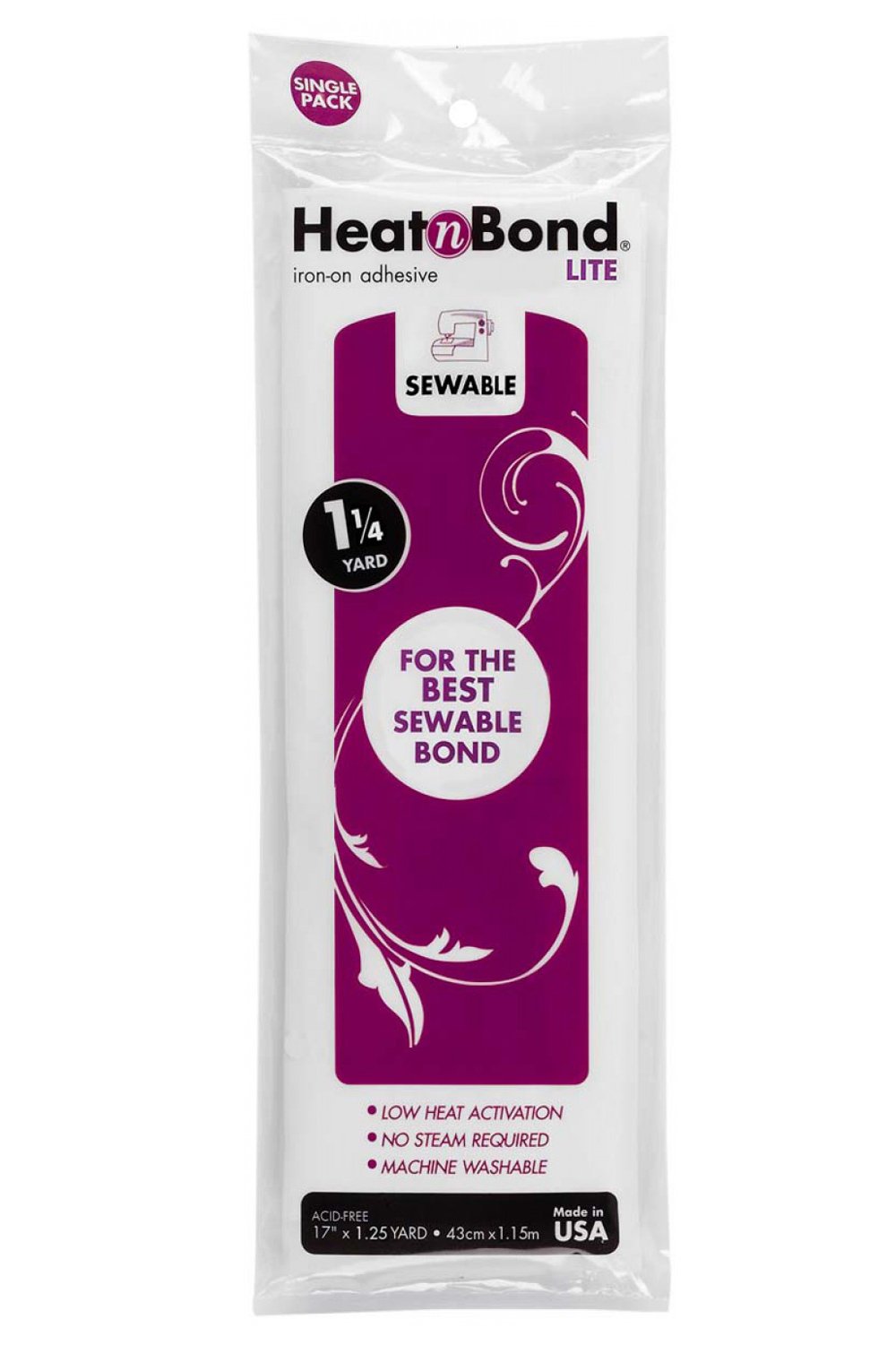
Heat n Bond Lite Iron-On Adhesive
Lightweight fusible web perfect for appliqués and delicate fabrics. This iron on adhesive creates a permanent bond while maintaining fabric flexibility and sewability for professional-looking results.
Key Features:
- Paper-backed for easy tracing
- Sewable after application
- Machine washable and dry cleanable
- Works on most fabric types
- Low-temperature activation
- Lightweight construction
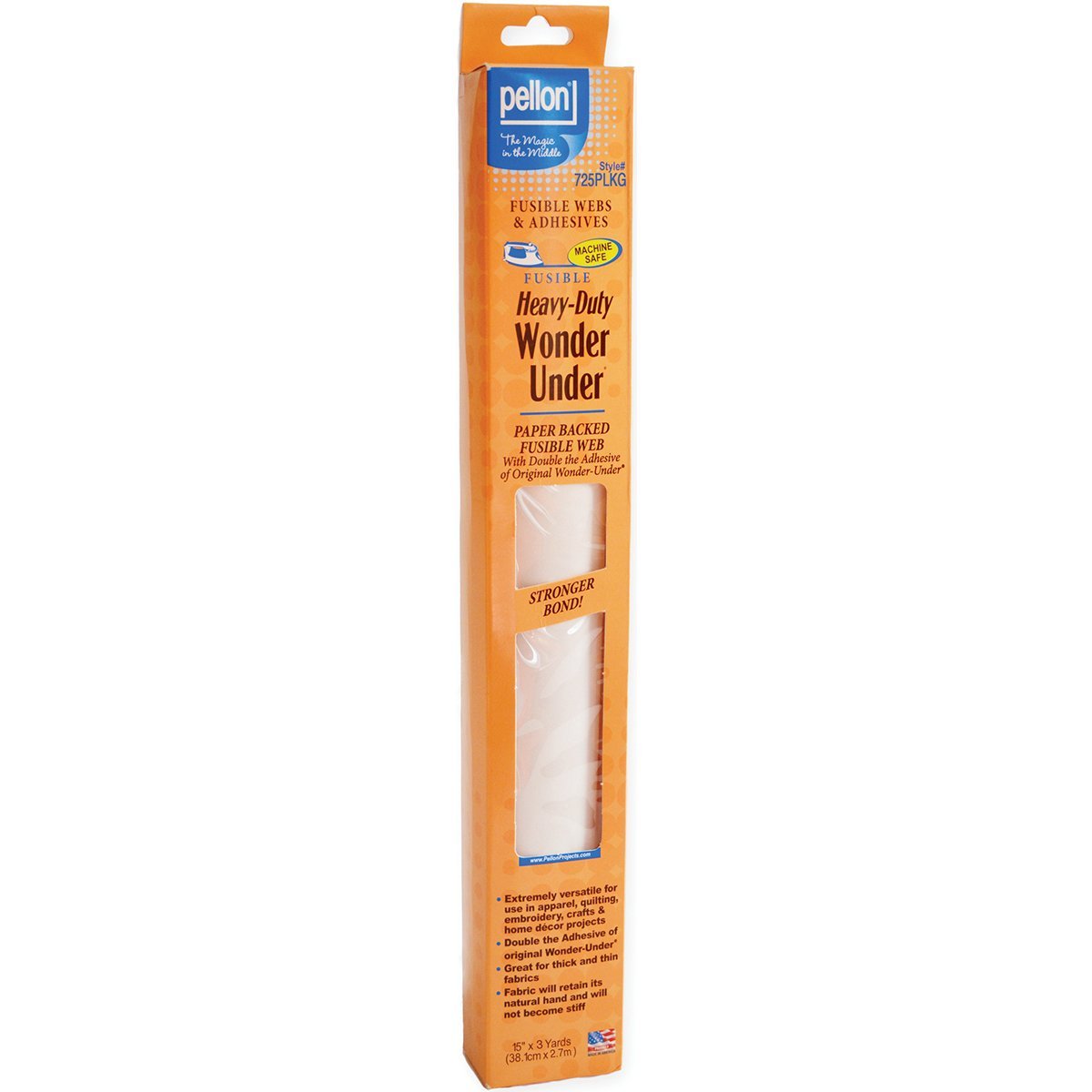
Wonder Under Fusible Web
Premium iron on adhesive web ideal for appliqué work and fabric bonding. This reliable fusible web provides strong adhesion while remaining flexible and maintaining the natural drape of fabrics.
Key Features:
- Double-sided adhesive web
- Paper release liner included
- Strong permanent bond
- No-sew application option
- Compatible with cotton and blends
- Easy release paper removal
Steam-A-Seam 2 Double Stick Fusible Web
Innovative iron on adhesive that’s temporarily tacky on both sides before pressing. This unique fusible web allows repositioning before final application, making it perfect for precise appliqué placement.
Key Features:
- Temporarily repositionable
- Double-stick before pressing
- No pinning required
- Strong final bond
- Works with most fabrics
- Reduces project time
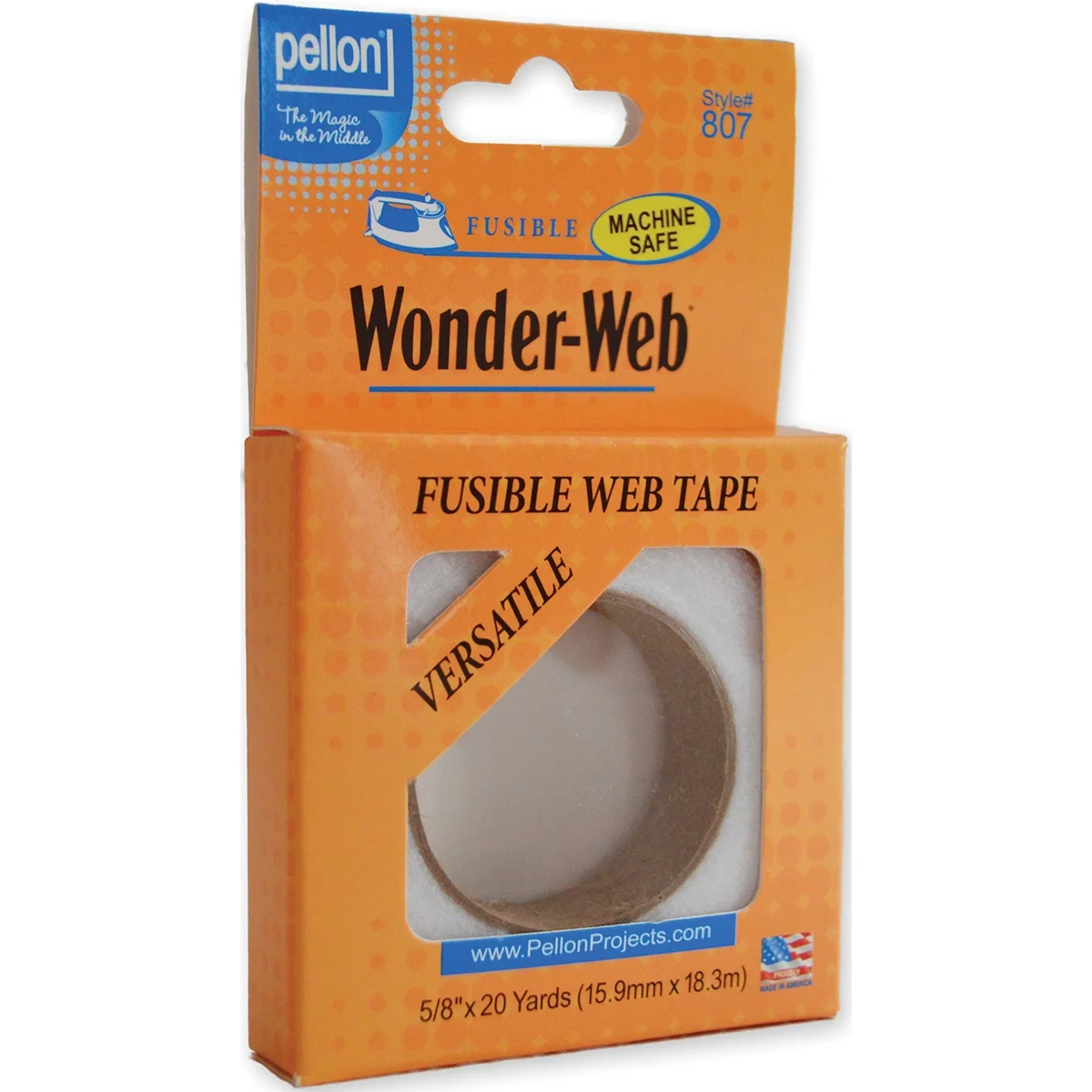
Pellon Wonder Tape Fusible Hem Tape
Convenient iron on adhesive tape for quick hemming and seaming. This narrow fusible tape eliminates the need for sewing on simple hems while providing a clean, professional finish.
Key Features:
- Pre-cut tape format
- Various width options
- No-sew hem solution
- Machine washable
- Works on multiple fabric weights
- Easy storage and handling
Understanding Iron On Adhesive Types and Applications
Iron on adhesive revolutionizes fabric crafting by providing strong, permanent bonds without traditional sewing. These innovative products come in various forms, including fusible web sheets, tapes, and specialty adhesives designed for specific applications.
Fusible web represents the most versatile form of iron on adhesive, consisting of a mesh-like adhesive material often backed with paper for easy handling. When heated with an iron, the adhesive melts and penetrates fabric fibers, creating a durable bond that withstands washing and regular use.
Fusible Web vs. Fusible Tape
Fusible web sheets offer maximum flexibility for large appliqués and fabric bonding projects. The iron on adhesive covers substantial areas, making it ideal for quilt appliqués, fabric patches, and decorative elements that require complete edge sealing.
Fusible tape provides precision for linear applications like hemming, seam finishing, and narrow trim attachment. This iron on adhesive format eliminates bulk while delivering targeted bonding strength exactly where needed.
Selecting the Right Iron On Adhesive for Your Project
Choosing appropriate iron on adhesive depends on fabric type, project requirements, and desired final appearance. Lightweight adhesives work best with delicate fabrics, while heavier-duty options suit upholstery and outdoor materials.
Consider whether your project requires sewability after application. Some iron on adhesive products maintain fabric flexibility for additional stitching, while others create such strong bonds that sewing becomes unnecessary.
Weight and Fabric Compatibility
Light-weight iron on adhesive preserves fabric drape and feel, making it perfect for apparel applications and delicate materials like silk or chiffon. The minimal adhesive layer maintains the original fabric characteristics while providing reliable bonding.
Medium-weight options balance strength with flexibility, suitable for most cotton quilting projects and home décor items. Heavy-duty iron on adhesive handles demanding applications like outdoor fabric repairs and upholstery work.
Permanent vs. Temporary Bonding
Most iron on adhesive creates permanent bonds designed to last through multiple wash cycles. However, some specialty products offer repositionable properties before final heat setting, allowing project adjustments during the creative process.
Proper Iron On Adhesive Application Techniques
Successful iron on adhesive application requires proper preparation, temperature control, and timing. Clean fabric surfaces ensure optimal adhesion, while correct iron settings prevent adhesive failure or fabric damage.
Preheat your iron to the temperature specified for your chosen iron on adhesive, typically between cotton and wool settings. Avoid using steam during application, as moisture can interfere with proper adhesive activation.
Surface Preparation
Wash and dry fabrics before applying iron on adhesive to remove sizing, oils, and other substances that might prevent proper bonding. Press fabrics smooth to eliminate wrinkles that could create air pockets under the adhesive.
Place projects on a hard, flat surface covered with parchment paper or a pressing cloth. Soft ironing board surfaces can prevent even pressure distribution necessary for complete iron on adhesive activation.
Heat Application Process
Position the iron on adhesive with the adhesive side against the fabric and paper backing facing up. Apply firm, even pressure while slowly moving the iron across the entire surface, overlapping slightly to ensure complete coverage.
Allow the adhesive to cool completely before removing the paper backing. Rushing this step can result in adhesive transfer to the paper rather than proper fabric bonding.
Creative Project Ideas Using Iron On Adhesive
Iron on adhesive opens unlimited creative possibilities for fabric crafters, from simple repairs to elaborate decorative projects. These versatile products enable quick transformations without extensive sewing skills or equipment.
Appliqué projects showcase iron on adhesive at its best, allowing intricate designs to be securely attached to base fabrics. Layer different colors and textures to create dimensional effects that would be challenging with traditional sewing methods.
Apparel Customization
Personalize clothing with fabric patches, monograms, and decorative elements using iron on adhesive. This technique works particularly well for children’s clothing, allowing easy replacement or updating of decorative features as preferences change.
Repair worn areas on favorite garments by applying coordinating or contrasting fabric patches with iron on adhesive. This approach extends garment life while adding unique design elements.
Home Décor Applications
Create custom window treatments, throw pillow covers, and table linens using iron on adhesive for seaming and decorative trim attachment. The no-sew approach speeds project completion while maintaining professional appearance.
Quilt making benefits tremendously from iron on adhesive, particularly for complex appliqué patterns. The adhesive holds pieces in position during quilting, eliminating the need for extensive basting or pinning.
Troubleshooting Common Iron On Adhesive Issues
Even experienced crafters occasionally encounter challenges with iron on adhesive application. Understanding common problems and their solutions ensures consistent project success and prevents material waste.
Insufficient bonding often results from inadequate heat, pressure, or application time. If edges lift or the bond feels weak, reapply heat with firm pressure, ensuring the iron temperature matches the iron on adhesive requirements.
Adhesive Residue Problems
Excess adhesive showing around project edges can be trimmed with sharp scissors or carefully removed with a warm iron and parchment paper. Prevention involves careful measurement and precise iron on adhesive placement during initial application.
Sticky residue on iron soleplates requires immediate attention to prevent transfer to subsequent projects. Clean warm irons with commercial soleplate cleaners or carefully scrape cooled residue with plastic scrapers.
Fabric Damage Prevention
Overheating can scorch fabrics or create shiny marks on synthetic materials. Always test iron on adhesive application on fabric scraps first, adjusting temperature and timing as needed for optimal results.
Use pressing cloths or parchment paper barriers when working with delicate fabrics or when uncertain about heat tolerance. These protective layers prevent direct iron contact while allowing adequate heat transfer for proper adhesive activation.
Care and Maintenance of Iron On Adhesive Projects
Proper care extends the life of projects created with iron on adhesive, maintaining both appearance and bond integrity through multiple use and cleaning cycles. Following manufacturer guidelines ensures lasting results.
Washing iron on adhesive projects requires gentle handling, particularly during initial laundry cycles when bonds continue strengthening. Turn garments inside out to protect decorative elements and use cold water when possible.
Washing Best Practices
Most quality iron on adhesive products withstand regular machine washing, but gentle cycles provide additional protection for decorative elements. Avoid harsh detergents or bleach products that might weaken adhesive bonds over time.
Air drying proves gentler than machine drying for iron on adhesive projects, though many products tolerate low dryer heat. High heat can reactivate adhesives, potentially causing shifting or damage to surrounding areas.
Long-term Storage
Store completed projects in cool, dry locations away from direct sunlight. Excessive heat or humidity can affect adhesive properties, while UV exposure may fade both fabrics and adhesive materials.
For seasonal items or special occasion pieces, interleave with acid-free tissue paper to prevent adhesive areas from contacting other surfaces during storage. This precaution prevents unwanted bonding or residue transfer.
Frequently Asked Questions
Transform Your Crafting with Quality Iron On Adhesive
Iron on adhesive revolutionizes fabric crafting by eliminating complex sewing requirements while delivering professional-quality results. Whether you’re creating intricate appliqués, quick clothing repairs, or elaborate home décor projects, the right fusible web or tape makes the difference between amateur and professional-looking outcomes.
Success with iron on adhesive depends on selecting appropriate products for specific applications and following proper application techniques. Lightweight options preserve fabric characteristics for delicate projects, while heavy-duty adhesives handle demanding applications that require maximum bonding strength. Understanding these differences ensures optimal project results every time.
The versatility of modern iron on adhesive products means crafters can tackle increasingly complex projects with confidence. From simple hem repairs to elaborate quilt appliqués, these innovative materials expand creative possibilities while reducing project completion time. Quality adhesives maintain their bonds through repeated washing and use, making them reliable choices for both decorative and functional applications.
Investing in quality iron on adhesive products and mastering proper application techniques opens unlimited creative possibilities. Whether you’re a beginning crafter or experienced seamstress, these versatile materials enhance your crafting toolkit and enable professional results with minimal time investment. Explore the full range of available options to discover which products best suit your specific crafting style and project requirements.