
Fabric Patches for Clothing Repairs and Creative Projects
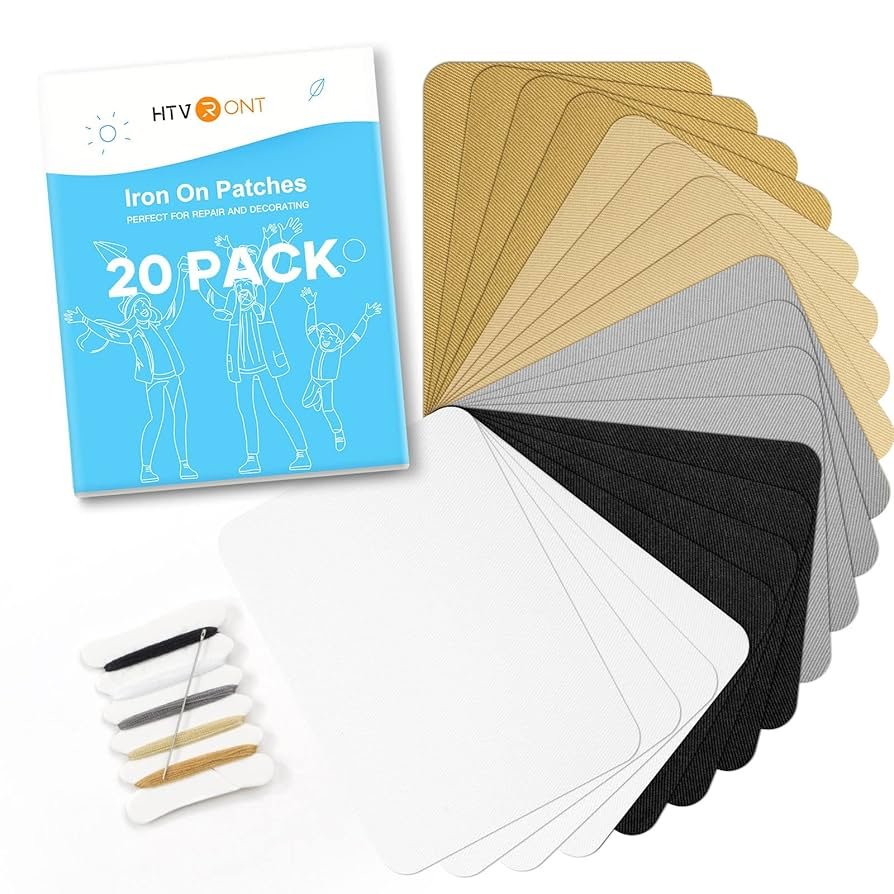
Iron-On Repair Patches
Easy-to-use iron-on patches perfect for quick clothing repairs and customization. Available in various colors and sizes to match any fabric project or repair need.
Key Features:
- Heat-activated adhesive backing
- Machine washable after application
- Multiple color options available
- Various sizes for different repairs
- Works on cotton and cotton blends
- No sewing required
Sew-On Canvas Patches
Durable canvas patches ideal for heavy-duty repairs on jeans, jackets, and outdoor gear. Strong construction provides long-lasting reinforcement for high-wear areas.
Key Features:
- Heavy-duty canvas construction
- Reinforces high-wear areas
- Perfect for denim and heavy fabrics
- Multiple neutral colors
- Fringe-resistant edges
- Professional-grade durability
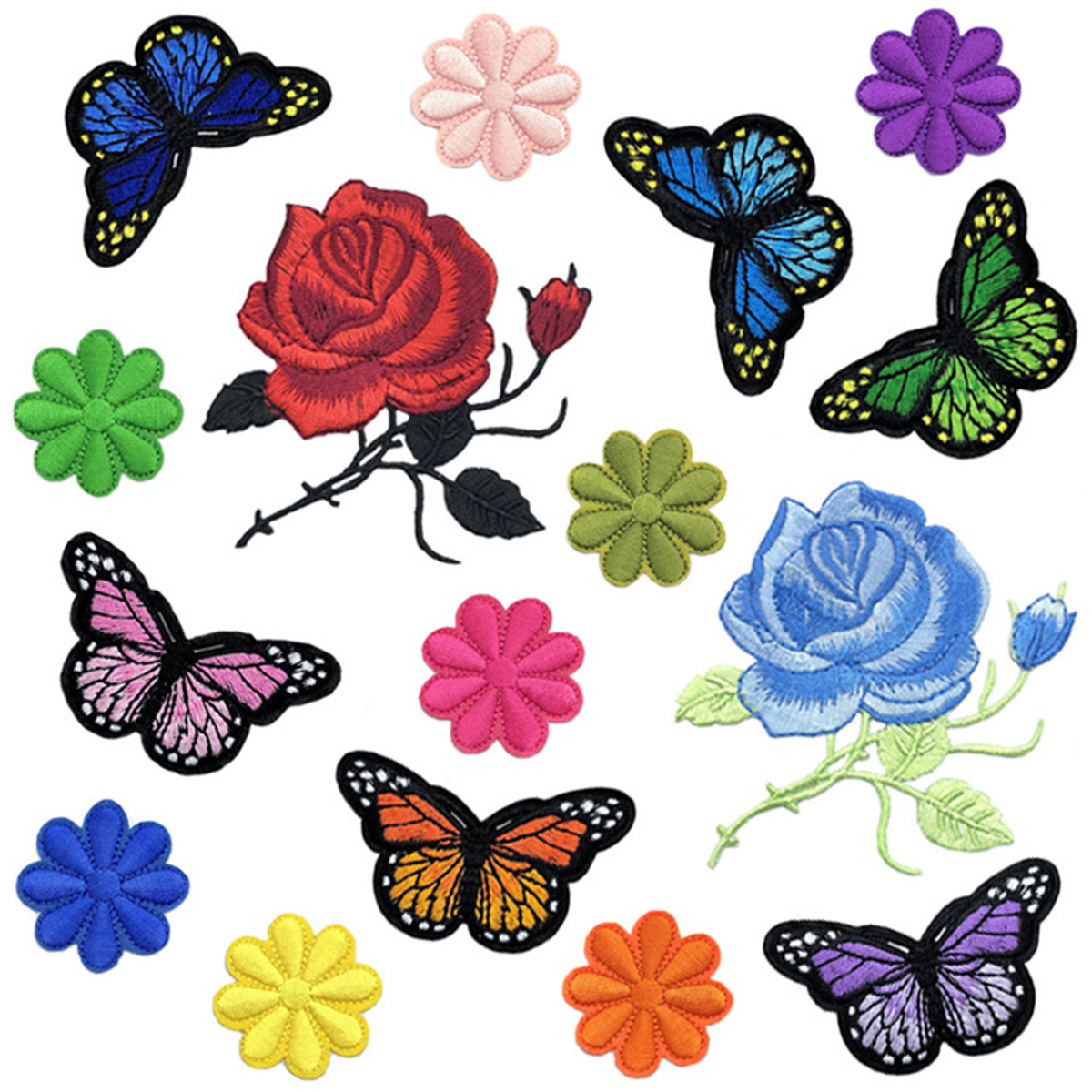
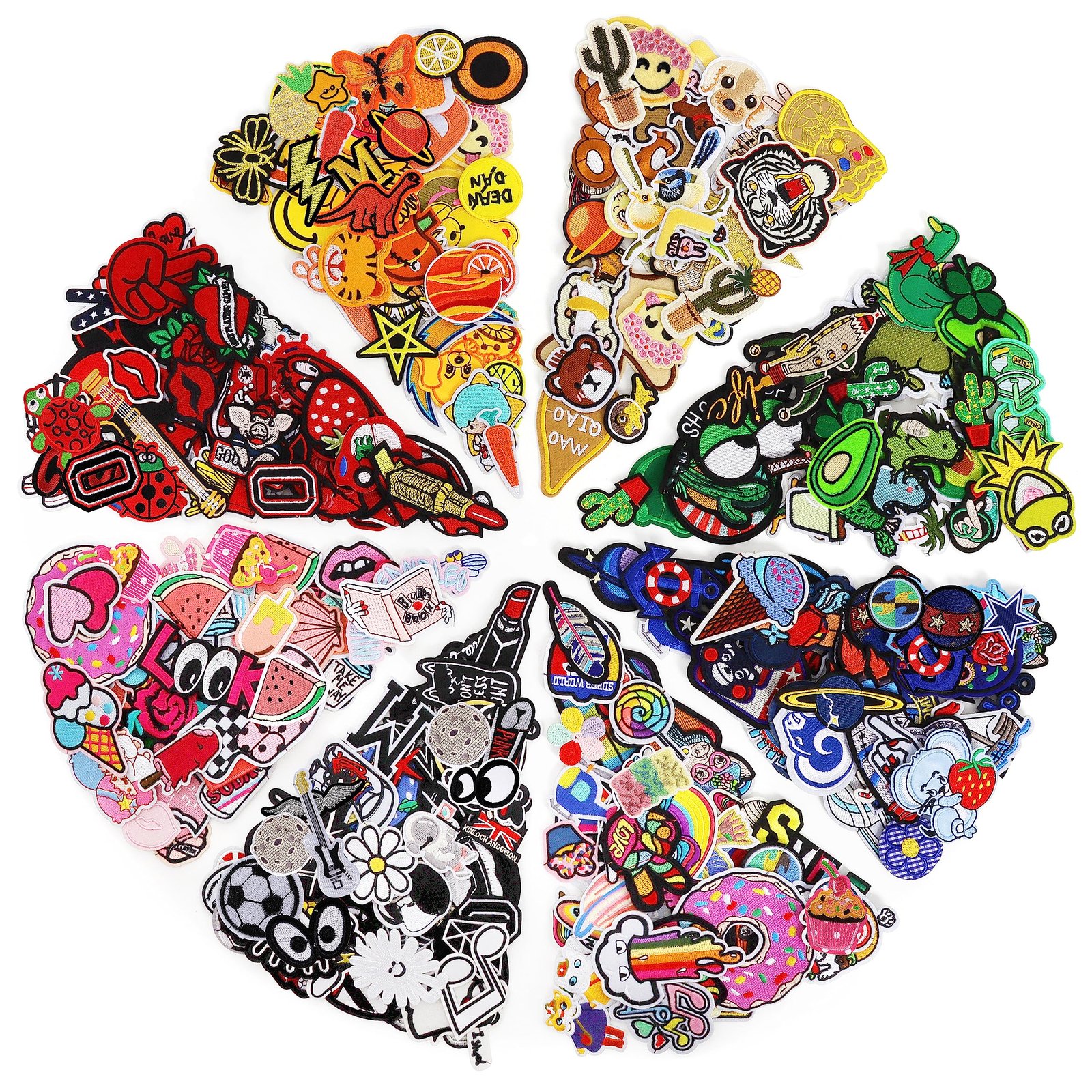
Decorative Embroidered Patches
Beautiful embroidered patches that combine repair functionality with decorative appeal. Transform damaged areas into stylish design elements with these artistic patches.
Key Features:
- Intricate embroidered designs
- Covers damage while adding style
- Iron-on or sew-on application
- Colorfast thread construction
- Various artistic patterns
- Suitable for jackets and bags
Understanding Fabric Patch Types and Applications
A fabric patch serves as both a functional repair solution and a creative design element for clothing and accessories. These versatile materials come in various styles, from simple iron-on squares to elaborate embroidered designs that transform damaged garments into unique fashion statements.
The most common fabric patch options include iron-on varieties for quick fixes, sew-on patches for permanent repairs, and decorative patches that combine functionality with aesthetic appeal. Each type offers specific advantages depending on your project requirements and skill level.
Iron-On Fabric Patches
Iron-on patches provide the simplest application method, using heat-activated adhesive to bond with fabric surfaces. These patches work exceptionally well on cotton, cotton blends, and other natural fibers, creating strong bonds that withstand regular washing and wear.
The convenience of iron-on application makes this fabric patch style ideal for beginners and quick repairs. Simply position the patch over the damaged area, apply heat with an iron, and the repair is complete in minutes.
Sew-On Patches for Durability
Sew-on patches offer superior durability and work on virtually any fabric type, including synthetics and blends that don’t respond well to iron-on adhesives. This application method creates permanent repairs that can withstand heavy use and frequent washing.
Professional tailors often prefer sew-on options because they provide complete control over placement and security. The stitching process allows for reinforcement around patch edges, preventing lifting or peeling that sometimes occurs with adhesive applications.
Choosing the Right Fabric Patch Material
Material selection significantly impacts both the appearance and longevity of your fabric patch repair. Cotton patches work beautifully on casual clothing like jeans, t-shirts, and everyday garments, providing natural breathability and comfort against the skin.
Canvas patches excel in heavy-duty applications, offering exceptional strength for reinforcing knee areas, elbow patches on jackets, and repairs on outdoor gear. The tight weave construction resists tearing and provides long-lasting durability in high-stress areas.
Matching Fabric Weights
Successful repairs require matching your fabric patch weight to the base garment material. Lightweight patches work best on delicate fabrics like blouses and lightweight cotton, while heavy-duty canvas patches suit denim, work clothing, and outdoor gear.
Mismatched weights can create puckering, pulling, or premature wear around patch edges. Consider the garment’s intended use and washing frequency when selecting patch materials to ensure optimal performance and appearance.
Color and Pattern Coordination
While exact color matching creates invisible repairs, contrasting colors can transform necessary fixes into intentional design elements. A bright fabric patch on neutral clothing adds personality and style, turning damage into a fashion statement.
Pattern mixing offers another creative approach, where floral patches on solid fabrics or geometric designs on plain backgrounds create interesting visual textures. This technique works particularly well on children’s clothing and casual wear.
Step-by-Step Fabric Patch Application Techniques
Proper application ensures your fabric patch adheres securely and looks professional. Begin by cleaning the damaged area, removing loose threads, and ensuring the fabric is completely dry before starting the repair process.
Position your fabric patch to extend at least half an inch beyond the damaged area on all sides. This overlap provides adequate coverage and prevents the damage from spreading around patch edges over time.
Preparing the Work Area
Set up a clean, flat work surface with adequate lighting for precise placement. Gather necessary tools including scissors, measuring tape, iron, ironing board, and thread if sewing. Having everything ready streamlines the application process.
For iron-on patches, preheat your iron to the appropriate temperature setting based on the base fabric requirements. Too much heat can damage synthetic materials, while insufficient heat prevents proper adhesive activation.
Iron-On Application Process
Place the fabric patch adhesive-side down on the damaged area, ensuring even positioning. Cover with a pressing cloth to protect both patch and garment surfaces, then apply firm, steady pressure with the iron for 15-20 seconds.
Avoid sliding the iron across the surface, which can shift patch position or create wrinkles. Instead, lift and reposition the iron to cover the entire patch area evenly. Allow the repair to cool completely before handling or testing adhesion strength.
Creative Uses Beyond Basic Repairs
While repair remains the primary function, fabric patch applications extend far beyond simple damage coverage. Fashion designers regularly use patches to create intentional distressed looks, vintage styling, and unique texture combinations on new garments.
Customization projects benefit greatly from strategic fabric patch placement. Add elbow patches to sweaters for professional appearance, create knee reinforcements on children’s play clothes, or design personalized jackets with meaningful patch arrangements.
Upcycling and Sustainability
Using fabric patches extends garment life significantly, supporting sustainable fashion practices and reducing textile waste. Transform outdated clothing into contemporary pieces by adding strategic patches in trending colors or patterns.
This approach proves especially valuable for children’s clothing, where growth spurts often outpace wear. Strategic patching can refresh favorite items while teaching kids about resourcefulness and creativity in problem-solving.
Design Enhancement Projects
Consider patches as design elements from the start of creative projects. Quilters incorporate contrasting patches for visual interest, while fashion enthusiasts use them to create custom looks that reflect personal style preferences.
Layering different fabric patch sizes and textures creates dimensional effects that add depth and interest to plain garments. This technique works particularly well on denim jackets, canvas bags, and casual wear pieces.
Maintenance and Longevity Tips
Proper care extends the life of your fabric patch repairs significantly. Always follow washing instructions appropriate for both the base garment and patch materials, using cold water and gentle cycles whenever possible.
Turn garments inside out before washing to protect patch surfaces from friction and wear. Avoid bleach or harsh chemicals that might weaken adhesive bonds or cause color fading in decorative patches.
Monitoring Patch Condition
Regularly inspect patch edges for signs of lifting, wear, or damage. Early intervention prevents small problems from becoming major repairs, maintaining both appearance and functionality over time.
If edges begin lifting, immediate re-pressing with iron-on patches or additional stitching with sew-on varieties can restore security. Address issues promptly to prevent water infiltration or further fabric damage.
Storage Considerations
Store patched garments properly to maintain repair integrity. Avoid excessive folding directly across patch areas, which can stress adhesive bonds or create permanent creases in stiff patch materials.
Hang items when possible, especially those with multiple patches or heavy-duty repairs. This prevents weight stress on patch bonds and maintains garment shape over extended storage periods.
Troubleshooting Common Fabric Patch Issues
Even experienced crafters encounter challenges with fabric patch applications. Poor adhesion often results from insufficient heat application, dirty fabric surfaces, or incompatible material combinations.
If your fabric patch doesn’t adhere properly, clean the area thoroughly and reapply with additional heat and pressure. Sometimes multiple pressing cycles achieve better results than single extended applications.
Addressing Puckering and Wrinkles
Fabric puckering around patches usually indicates material weight mismatches or excessive heat application. Prevention involves careful material selection and proper temperature control during application.
When puckering occurs, gentle steaming and strategic pressing can often improve appearance. For severe cases, removing and reapplying the fabric patch with different techniques may provide better results.
Edge Lifting Solutions
Patch edges that lift over time typically need additional securing. Iron-on patches benefit from edge pressing with higher heat, while sew-on varieties may require additional stitching around perimeters.
Prevention involves ensuring complete initial adhesion and avoiding excessive stress on patch areas during wear and washing. Quality application techniques prevent most edge-lifting problems before they develop.
Frequently Asked Questions
Transform Repairs into Creative Opportunities
The versatility of fabric patches extends far beyond simple damage repair, offering endless possibilities for customization, creative expression, and sustainable fashion practices. Whether you need a quick fix for everyday wear or want to transform a garment into a unique personal statement, the right fabric patch selection and application technique ensures professional-looking results.
Success with fabric patches comes from understanding material compatibility, proper application methods, and maintenance practices that extend repair longevity. From iron-on convenience to sew-on durability, each patch type serves specific purposes and skill levels, making repairs accessible to crafters at every experience level.
The growing trend toward sustainable fashion makes fabric patches increasingly valuable as tools for extending garment life and reducing textile waste. By mastering these repair techniques, you join a community of conscious consumers who choose creativity and resourcefulness over disposal, turning necessary repairs into opportunities for personal expression.
Explore the extensive selection of fabric patches available to discover materials and styles that match your project needs and creative vision. With proper technique and quality materials, every repair becomes a chance to enhance, personalize, and extend the life of your favorite clothing pieces.