
Permanent Acrylic Textile Paint for Long-Lasting Fabric Projects
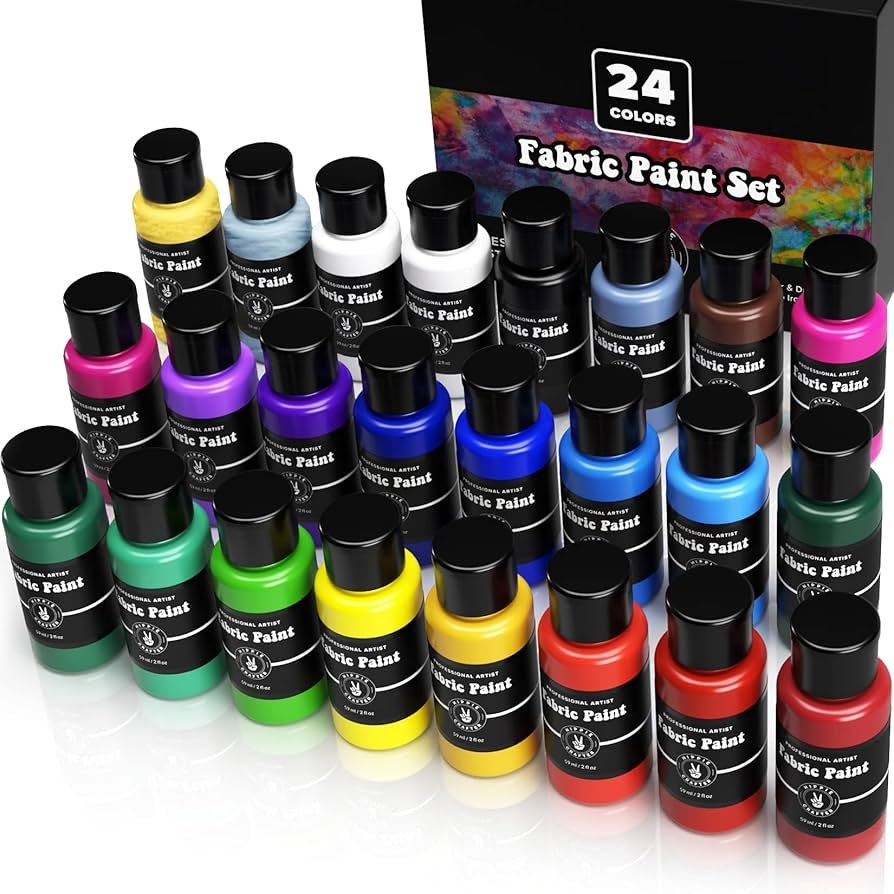
Premium Permanent Acrylic Fabric Paint Set
Professional-grade fabric paint collection featuring 12 vibrant colors with superior adhesion and flexibility. Perfect for cotton, denim, canvas, and synthetic fabrics with permanent, washable results that maintain color intensity through countless wash cycles.
Key Features:
- 12 vibrant permanent colors
- Machine washable after heat setting
- Works on natural and synthetic fabrics
- Non-toxic and safe formula
- Smooth application with brushes or stamps
- Flexible finish prevents cracking
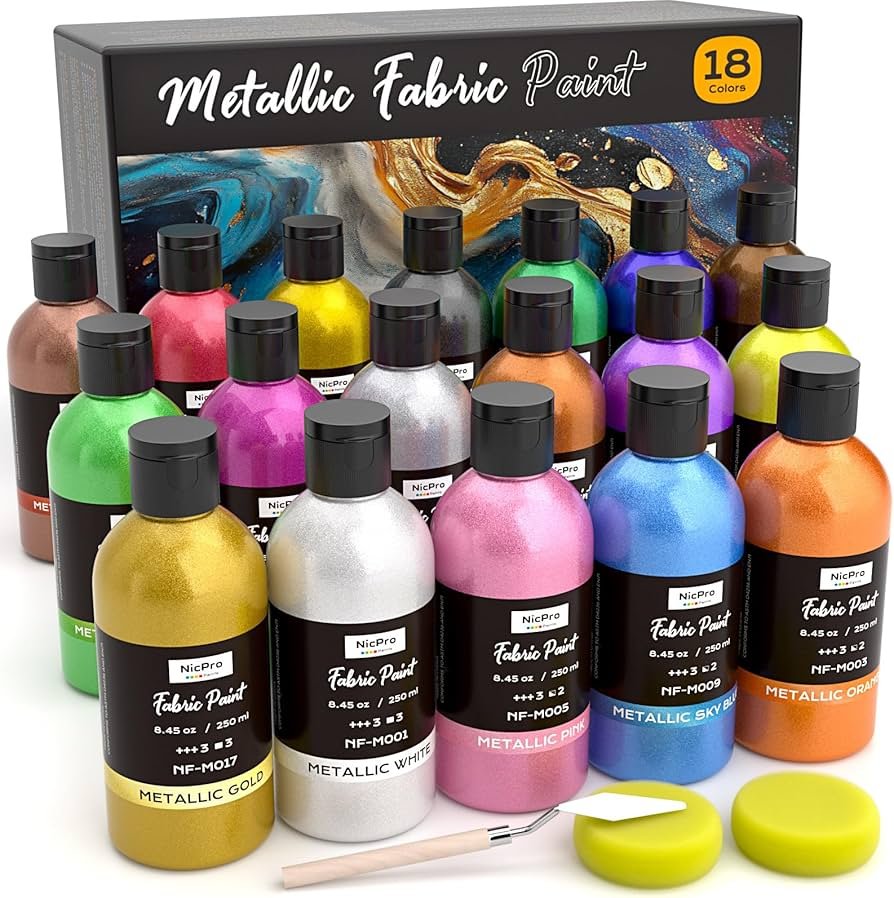
Metallic Acrylic Textile Paint Collection
Stunning metallic fabric paint series offering gold, silver, copper, and bronze finishes for elegant fabric decoration. These shimmering paints create luxurious effects on clothing, accessories, and home décor items while maintaining permanent durability.
Key Features:
- Four metallic finish options
- Light-fast and fade resistant
- Permanent when properly heat set
- Compatible with fabric mediums
- Excellent coverage on dark fabrics
- Professional metallic shimmer effect
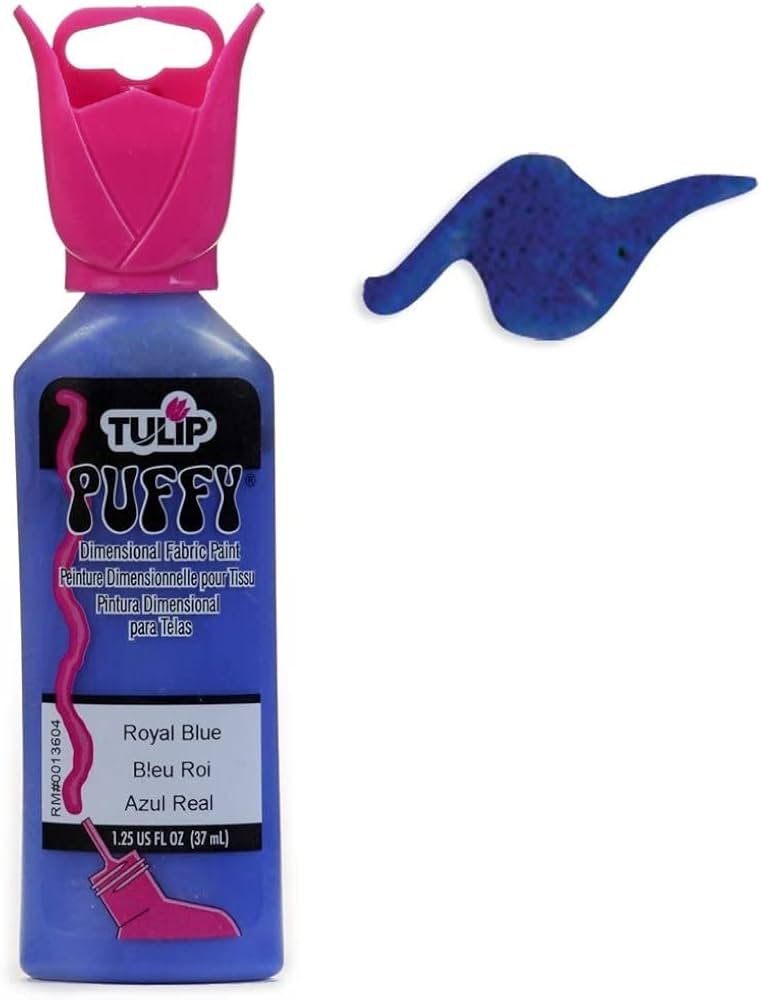
Dimensional Fabric Paint Tubes
Easy-squeeze tubes designed for creating raised, textured designs directly on fabric surfaces. These dimensional paints dry to a flexible, permanent finish that adds both color and texture to your fabric painting projects.
Key Features:
- Built-in precision tip applicator
- Creates raised dimensional effects
- No brush required application
- Permanent flexible finish
- 24 color options available
- Perfect for outlining and detail work
What Makes Fabric Paint Different from Regular Paint
Fabric paint differs significantly from regular acrylic paint due to its specialized formulation designed specifically for textile applications. Unlike standard paint that becomes stiff and cracks when applied to fabric, fabric paint contains flexible polymers that move with the fabric fibers.
The key difference lies in the binder system used in fabric paint, which creates a permanent bond with textile fibers while maintaining flexibility. This specialized formula ensures your painted designs won’t peel, crack, or wash away even after numerous washing cycles.
Chemical Composition Benefits
Permanent acrylic textile paint incorporates fabric-specific additives that enhance adhesion and durability. These additives help the paint penetrate fabric fibers rather than simply sitting on the surface like regular paint would.
The acrylic base provides excellent color retention and lightfastness, meaning your fabric paint designs will resist fading from sunlight exposure and washing. This makes it ideal for both decorative items and frequently worn clothing.
Best Fabrics for Fabric Paint Applications
Natural fibers like cotton, linen, and canvas provide the best surface for fabric paint adhesion due to their porous structure. These materials allow the paint to penetrate deeply, creating a stronger, more permanent bond that withstands washing and wear.
Cotton fabric is particularly excellent for fabric paint projects because of its absorbent nature and smooth surface texture. Denim also works wonderfully, offering a sturdy base that showcases fabric paint colors beautifully.
Synthetic Fabric Considerations
While synthetic fabrics like polyester can be painted with fabric paint, they require special preparation for optimal results. Pre-treating synthetic materials with fabric medium improves paint adhesion significantly.
Blended fabrics containing both natural and synthetic fibers offer a good compromise, providing decent paint adhesion while maintaining the benefits of synthetic durability. Always test fabric paint on a small, inconspicuous area first.
Fabric Preparation Tips
Pre-washing your fabric removes sizing, oils, and residues that could interfere with paint adhesion. This crucial step ensures your fabric paint bonds properly with the textile fibers for maximum permanence.
Iron the fabric smooth before applying fabric paint to create an even surface. Any wrinkles or creases can cause uneven paint application and affect the final appearance of your project.
Application Techniques for Professional Results
Proper fabric paint application begins with selecting the right tools for your specific project needs. Brushes work excellently for detailed work and large areas, while foam brushes create smooth, even coverage without brush marks.
Sponge application creates beautiful texture effects with fabric paint, perfect for creating backgrounds or special effects. Rolling techniques work well for covering large areas quickly and evenly.
Heat Setting Your Fabric Paint
Heat setting transforms fabric paint from a temporary application to a permanent, washable finish. Most fabric paint requires heat setting with an iron or heat press for 3-5 minutes at the appropriate temperature for your fabric type.
Allow painted fabric to air dry completely, typically 24 hours, before heat setting. This ensures the fabric paint has fully cured and will respond properly to the heat setting process.
Layering and Blending Techniques
Building up fabric paint in thin layers creates more vibrant colors and prevents the stiff feeling that can result from heavy paint application. Each layer should dry completely before applying the next.
Blending fabric paint while wet creates beautiful gradient effects and smooth color transitions. Work quickly while the paint remains workable, typically 10-15 minutes depending on environmental conditions.
Care and Maintenance of Painted Fabrics
Properly heat-set fabric paint creates designs that can withstand regular washing when cared for correctly. Turn painted garments inside out before washing to protect the painted surface from direct agitation.
Use cold to warm water and gentle detergents to preserve fabric paint colors and prevent premature fading. Avoid bleach and harsh chemicals that can break down the paint bonds over time.
Drying and Storage Best Practices
Air drying painted fabrics helps preserve the flexibility and appearance of fabric paint designs. High heat from dryers can cause some fabric paint formulations to become brittle over time.
When storing painted fabric items, fold them carefully to avoid creasing painted areas. If possible, store flat or rolled to maintain the integrity of dimensional fabric paint effects.
Troubleshooting Common Issues
If fabric paint begins to crack or peel, it usually indicates insufficient heat setting or application over dirty fabric. Reapply heat setting or touch up affected areas with fresh fabric paint.
Fading fabric paint typically results from excessive sun exposure or harsh washing conditions. Choose high-quality, lightfast fabric paint and follow care instructions carefully to prevent this issue.
Creative Project Ideas with Fabric Paint
Transform plain t-shirts into custom artwork using fabric paint techniques like stenciling, freehand painting, or stamp printing. These projects make excellent gifts and allow for unlimited creative expression.
Home décor items like pillowcases, curtains, and table runners become unique focal points when enhanced with fabric paint designs. Consider seasonal themes or matching color schemes to complement your existing décor.
Kids’ Clothing and Accessories
Fabric paint opens endless possibilities for personalizing children’s clothing with their favorite characters, handprints, or artwork. These projects create lasting memories while producing practical, wearable art.
School spirit items, sports team gear, and camp clothing become special when customized with fabric paint. Add names, numbers, or team colors for a professional appearance.
Advanced Techniques
Combining fabric paint with other materials like fabric markers, sequins, or beads creates multi-dimensional artwork with incredible visual impact. Plan your design carefully to ensure all elements work together harmoniously.
Resist techniques using tape, stencils, or wax create professional-looking patterns and designs with fabric paint. These methods allow for precise control over paint placement and stunning geometric effects.
Choosing the Right Fabric Paint for Your Project
Project requirements should guide your fabric paint selection process. Consider factors like intended use, washing frequency, and desired finish when choosing between different fabric paint formulations.
For frequently washed items like clothing, invest in premium permanent fabric paint that offers superior wash-fastness and durability. Decorative items may work well with standard fabric paint options.
Color Selection Strategies
Building a fabric paint color palette starts with primary colors plus black and white, allowing you to mix custom shades as needed. This approach provides maximum flexibility while keeping initial costs manageable.
Consider the base fabric color when selecting fabric paint colors. Light fabrics showcase all colors beautifully, while dark fabrics require opaque or metallic fabric paint formulations for proper visibility.
Budget-Friendly Options
Starting with basic fabric paint sets provides excellent value for beginners exploring textile painting. These sets typically include essential colors and basic application tools.
As your skills and interest develop, gradually add specialty fabric paint colors and professional tools to expand your creative possibilities without overwhelming your initial investment.
Frequently Asked Questions
Transform Your Fabric Projects with Quality Fabric Paint
Permanent acrylic textile paint opens a world of creative possibilities for personalizing clothing, home décor, and craft projects. The key to successful fabric painting lies in choosing high-quality fabric paint, properly preparing your materials, and following correct application techniques.
Whether you’re creating custom t-shirts, decorating home accessories, or working on school projects, fabric paint provides an affordable and versatile medium for artistic expression. The permanent nature of quality fabric paint ensures your creations will maintain their beauty and durability through countless uses and washes.
Remember that practice makes perfect when working with fabric paint. Start with simple projects to build your confidence and skills before tackling more complex designs. Each project will teach you valuable techniques that enhance your fabric painting abilities.
Invest in quality materials and take time to properly prepare and finish your fabric paint projects. This attention to detail will result in professional-looking results that you’ll be proud to wear, display, or give as gifts for years to come.