
Fabric Dye Guide: Transform Your Textiles with Rit Dye and Professional Coloring Techniques
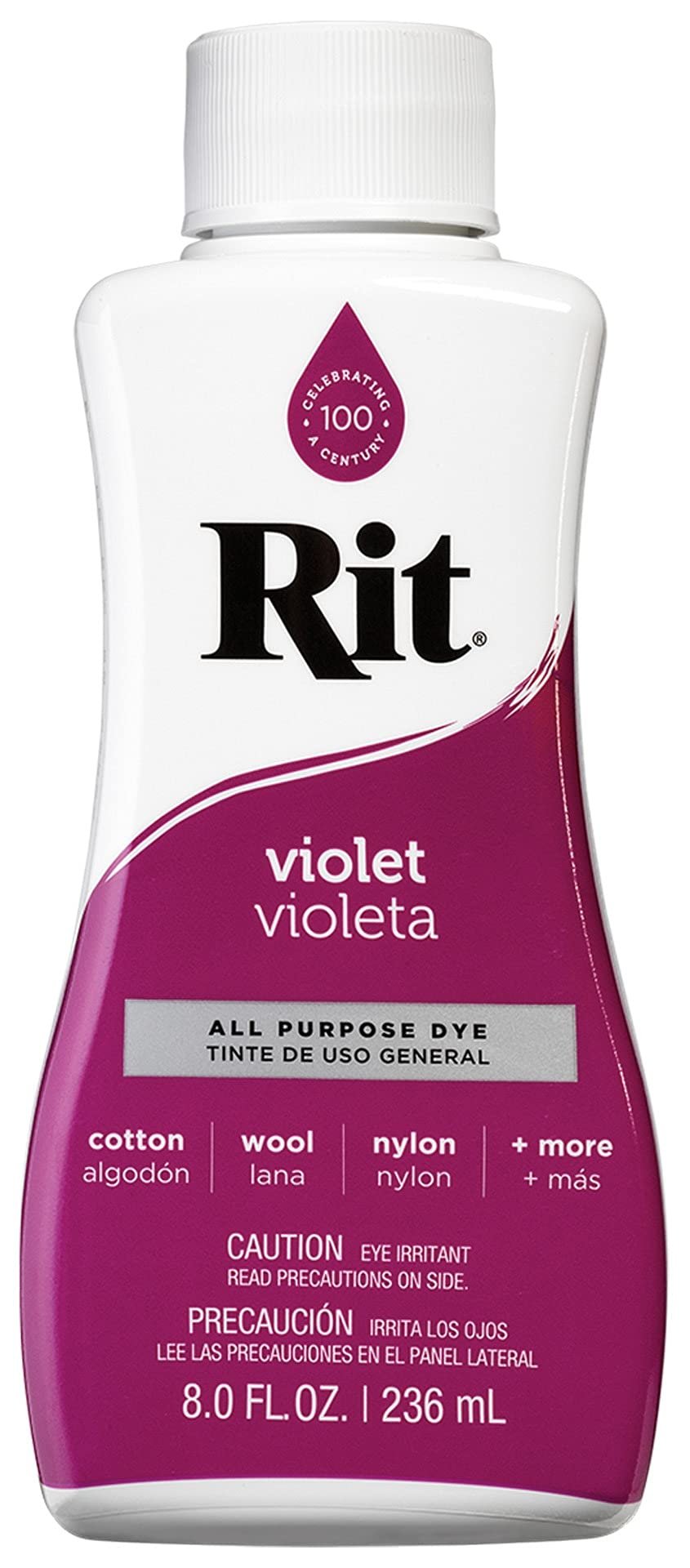
Rit All-Purpose Liquid Fabric Dye
The most popular fabric dye choice for home crafters, this versatile liquid formula works on natural and synthetic fabrics. Perfect for reviving old clothes, creating custom colors, or adding vibrant hues to plain textiles.
Key Features:
- Works on cotton, linen, silk, wool, and synthetics
- Easy-to-use liquid formula
- Available in 32 vibrant colors
- Can be mixed to create custom shades
- Machine or hand wash application
- Non-toxic and safe for home use
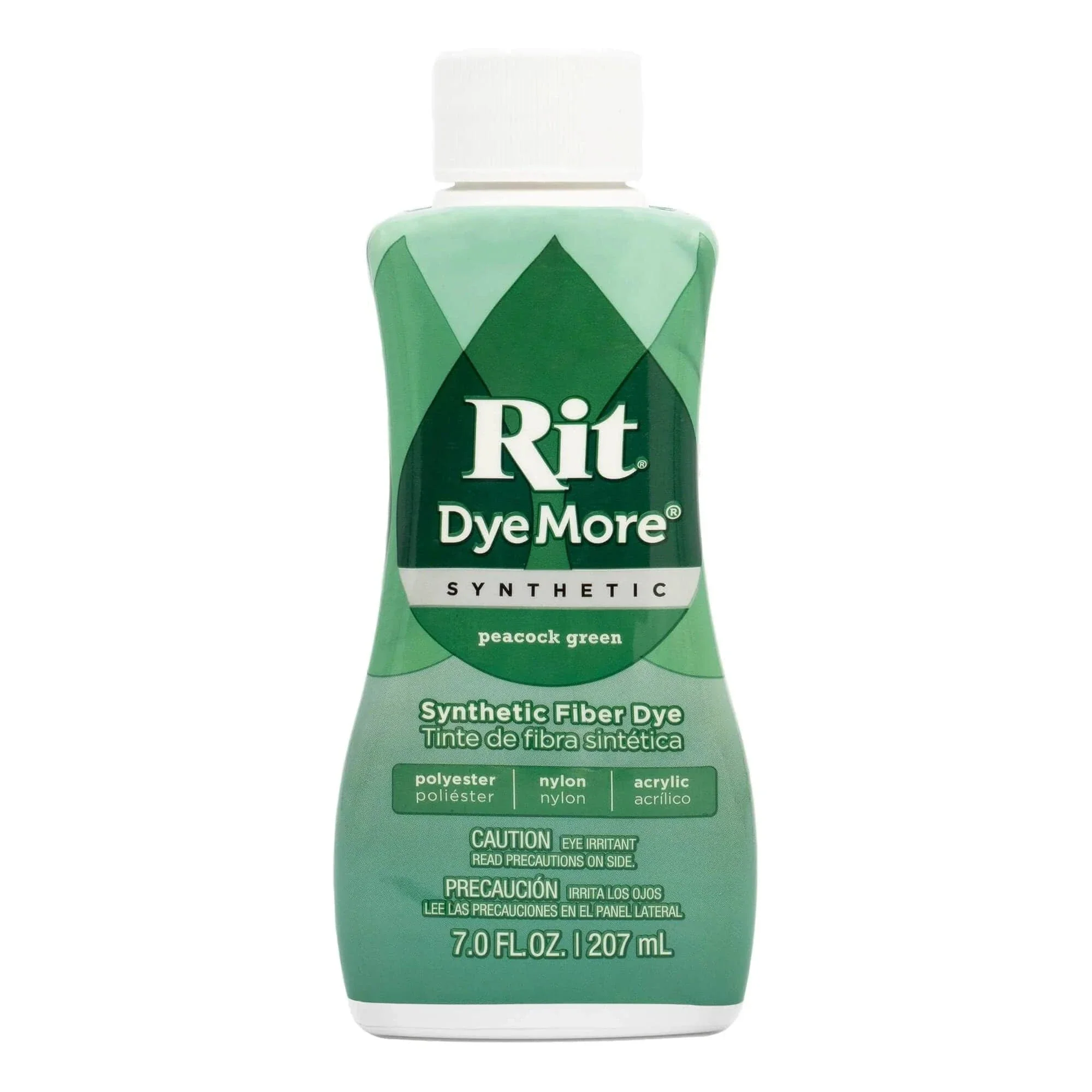
Rit DyeMore Synthetic Fabric Dye
Specially formulated for synthetic fabrics like polyester, nylon, and acetate. This advanced fabric dye penetrates synthetic fibers that regular dyes cannot color, opening up endless possibilities for modern fabric dyeing projects.
Key Features:
- Designed specifically for synthetic fabrics
- Works on polyester, acetate, and nylon
- Intense, fade-resistant colors
- Requires stovetop dyeing method
- Perfect for athletic wear and modern textiles
- Available in bold, contemporary colors
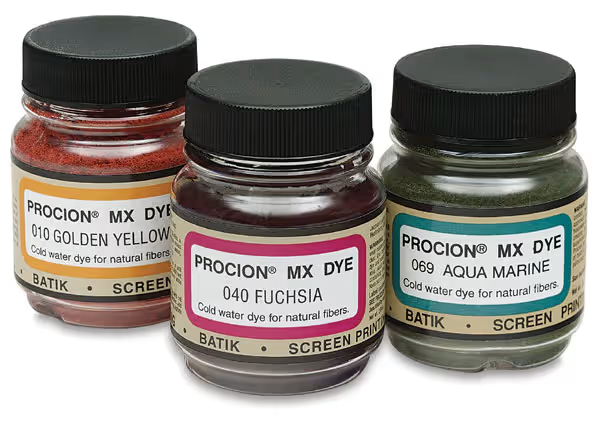
Jacquard Procion MX Fiber Reactive Dye
Professional-grade fabric dye that creates permanent, wash-fast colors on natural fibers. This cold-water dye is ideal for tie-dye, batik, and other fabric art techniques requiring vibrant, long-lasting results.
Key Features:
- Cold-water reactive formula
- Permanent, wash-fast colors
- No heat required for application
- Excellent for tie-dye and fabric art
- Works best on cotton, linen, and rayon
- Concentrated powder for maximum color intensity
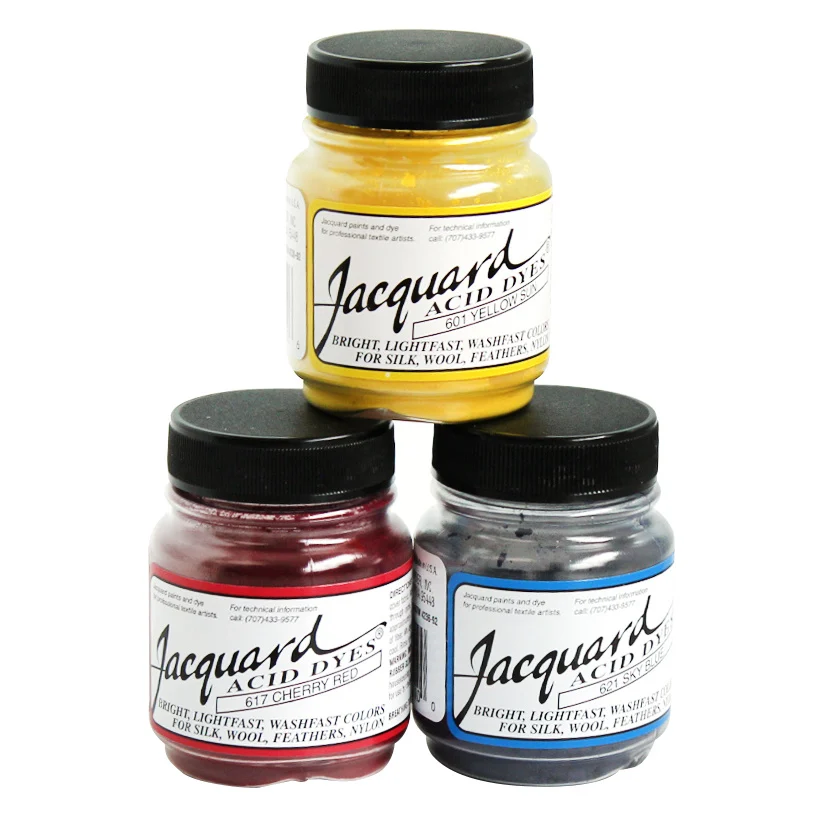
Dharma Trading Acid Dye Kit
Professional acid dye system perfect for protein fibers like wool and silk. This fabric dye creates brilliant, even colors with excellent lightfastness, making it ideal for serious textile artists and crafters.
Key Features:
- Formulated for wool, silk, and other protein fibers
- Brilliant, even color distribution
- Excellent lightfastness and durability
- Professional-grade results
- Complete kit with instructions
- Heat-set application for permanence
Understanding Fabric Dye Types and Applications
Fabric dye comes in several distinct types, each designed for specific fiber types and applications. Understanding these differences is crucial for achieving professional results in your textile coloring projects.
All-purpose fabric dye, like Rit’s classic formula, works on both natural and synthetic fibers but achieves best results on natural materials. This versatile option is perfect for beginners and general dyeing projects.
Natural Fiber Dyes
Natural fibers such as cotton, linen, wool, and silk readily accept most fabric dye formulations. These materials have an affinity for dye molecules, creating vibrant, long-lasting colors with proper technique.
Fiber reactive dyes create the strongest bond with natural fibers, becoming part of the fabric structure rather than just coating the surface. This results in colors that won’t fade or wash out over time.
Synthetic Fiber Considerations
Synthetic fabrics require specialized fabric dye formulations due to their chemical composition. Regular dyes often slide off synthetic fibers without creating lasting color changes.
Rit DyeMore represents a breakthrough in synthetic fabric dye technology, allowing crafters to color polyester, nylon, and other modern materials effectively. This opens up possibilities for updating athletic wear, curtains, and contemporary home textiles.
Essential Fabric Dye Techniques for Best Results
Successful fabric dye application depends on proper preparation, technique selection, and following established procedures. Mastering these fundamentals ensures consistent, professional-quality results.
Pre-washing fabric removes sizing, dirt, and finishes that can prevent even dye absorption. Use regular detergent without fabric softener, as these products create barriers to fabric dye penetration.
Hot Water Immersion Method
The traditional hot water method works excellently for most fabric dye projects involving natural fibers. Heat opens fiber structures, allowing deeper penetration and more vibrant colors.
Maintain water temperature between 140-160°F throughout the dyeing process. Lower temperatures result in lighter colors, while excessive heat can damage delicate fabrics.
Cold Water Reactive Dyeing
Cold water fabric dye techniques use chemical reactions rather than heat to achieve color permanence. This method is gentler on fabrics and energy-efficient.
Soda ash acts as the activating agent in cold water dyeing, creating alkaline conditions that promote dye-fiber bonding. Proper mixing and timing are essential for even color distribution.
Machine Dyeing Considerations
Washing machines can effectively distribute fabric dye for large items or multiple pieces. Use an old machine or be prepared for potential staining of the drum interior.
Extended agitation cycles help ensure even color distribution, while extra rinse cycles remove unfixed dye that could cause bleeding in future washes.
Color Mixing and Custom Fabric Dye Creation
Creating custom colors with fabric dye opens unlimited creative possibilities for your textile projects. Understanding color theory and mixing principles helps achieve desired results consistently.
Start with small test batches when experimenting with fabric dye combinations. Document ratios and procedures for successful custom colors you want to recreate later.
Primary Color Foundation
Building custom fabric dye colors from primary red, blue, and yellow bases provides the most control over final results. Secondary colors emerge from equal mixing, while varying ratios create unique intermediate shades.
Black fabric dye can deepen any color without shifting the hue dramatically. Use sparingly, as black tends to dominate lighter colors quickly.
Gradation and Ombre Effects
Gradual color transitions require careful fabric dye concentration control and timing. Start with the lightest shade and progressively add more concentrated dye solution.
Partial immersion techniques create beautiful ombre effects by gradually lowering fabric into increasingly concentrated fabric dye baths. Movement during the process helps blend transition areas naturally.
Color Wheel Applications
Complementary colors on opposite sides of the color wheel create dramatic contrasts in multi-color fabric dye projects. Adjacent colors blend harmoniously for subtle, sophisticated effects.
Warm fabric dye colors (reds, oranges, yellows) appear to advance visually, while cool colors (blues, greens, purples) seem to recede. Use this principle in design planning.
Troubleshooting Common Fabric Dye Challenges
Even experienced crafters encounter occasional issues with fabric dye projects. Understanding common problems and their solutions helps salvage projects and prevent future disappointments.
Uneven coloring often results from inadequate preparation, insufficient agitation, or fabric bunching during the dyeing process. Proper fabric handling and consistent movement prevent most streaking issues.
Fixing Light or Weak Colors
When fabric dye results appear lighter than expected, several factors could be responsible. Insufficient dye concentration, low water temperature, or shortened processing time all contribute to weak color development.
Redyeing can intensify light colors, but results may not match single-application dyeing. Fresh fabric dye solution and extended processing time usually improve color depth significantly.
Addressing Color Bleeding
Excessive bleeding during rinsing indicates poor dye fixation or oversaturation. Proper rinsing technique removes unfixed dye while preserving desired colors.
Color-setting products help lock fabric dye molecules into fiber structures. These treatments are particularly valuable for items requiring frequent washing or high colorfastness standards.
Removing Unwanted Dye
Color removers can lighten or eliminate unwanted fabric dye results, though complete restoration to original colors isn’t always possible. Test removers on hidden areas first.
Bleaching solutions work differently than color removers and may damage certain fibers. Professional evaluation helps determine the safest approach for valuable textiles.
Safety Guidelines and Best Practices for Fabric Dye Use
Working with fabric dye requires attention to safety protocols and environmental considerations. Proper precautions protect both crafters and surrounding areas from potential hazards.
Ventilation is crucial when working with any fabric dye, as fumes can irritate respiratory systems. Work outdoors or in well-ventilated areas whenever possible.
Personal Protective Equipment
Rubber gloves prevent skin staining and protect against chemical irritation from fabric dye solutions. Disposable gloves work well for single projects, while reusable options suit frequent dyers.
Eye protection becomes important when mixing powdered fabric dye or working with splashing liquids. Safety glasses or goggles provide adequate protection for most home dyeing activities.
Workspace Preparation
Cover work surfaces with plastic sheeting or newspapers to prevent permanent staining. Fabric dye can penetrate porous surfaces like wood or concrete, creating lasting discoloration.
Designate specific tools and containers for fabric dye use only. Cross-contamination with food preparation items poses health risks and can affect dyeing results.
Disposal and Environmental Concerns
Many fabric dye formulations are environmentally safe when used as directed, but proper disposal remains important. Check local regulations for chemical disposal guidelines.
Small amounts of diluted fabric dye solution can often go down drains with plenty of water, but concentrated solutions may require special handling. Municipal waste facilities can provide guidance for your area.
Advanced Fabric Dye Techniques and Artistic Applications
Beyond basic solid coloring, fabric dye enables sophisticated artistic techniques that transform ordinary textiles into unique creative expressions. These advanced methods require practice but produce stunning results.
Resist techniques use physical or chemical barriers to prevent fabric dye penetration in specific areas. Wax, tape, rubber bands, and clamps create patterns by controlling where color can reach fabric.
Tie-Dye and Shibori Methods
Traditional tie-dye relies on binding and folding techniques to create resist patterns with fabric dye. Different binding methods produce distinct pattern types, from spirals to stripes.
Japanese shibori techniques offer more refined approaches to resist dyeing. Pole wrapping, stitching, and clamping create sophisticated patterns that elevate fabric dye beyond casual craft projects.
Batik and Wax Resist
Batik uses hot wax as a resist medium, allowing precise pattern control with fabric dye applications. Multiple dye baths and wax applications create complex, layered designs.
Wax removal requires careful heating and absorption techniques. Proper cleanup prevents wax buildup in tools and work areas while preserving fabric integrity.
Gradient and Dip-Dye Effects
Controlled fabric dye concentration and immersion timing create beautiful gradient effects. These techniques work particularly well on flowing fabrics like silk scarves or cotton curtains.
Multiple color gradients require careful planning and timing. Allow adequate drying time between colors to prevent unwanted mixing and muddy results.
Frequently Asked Questions
Transform Your Textiles with Confidence Using Quality Fabric Dye
Mastering fabric dye techniques opens endless possibilities for personalizing and revitalizing your textile collection. From refreshing faded garments to creating custom home décor, quality dye products and proper techniques deliver professional results at home.
Success with fabric dye depends on understanding fiber types, selecting appropriate products, and following established procedures. Whether you choose versatile all-purpose formulations or specialized dyes for specific applications, proper preparation and technique ensure satisfying outcomes.
Experimentation and practice build confidence with advanced fabric dye methods. Start with simple projects to develop skills, then progress to complex techniques like resist dyeing and custom color creation. Document successful formulas and methods for future reference.
Investing in quality fabric dye products and tools pays dividends in consistent results and creative satisfaction. With proper care and technique, your dyed textiles will maintain their beauty and color integrity for years to come, making every project a worthwhile investment in your creative expression.