
Fabric Adhesive – Craft & Textile Glue Complete Guide
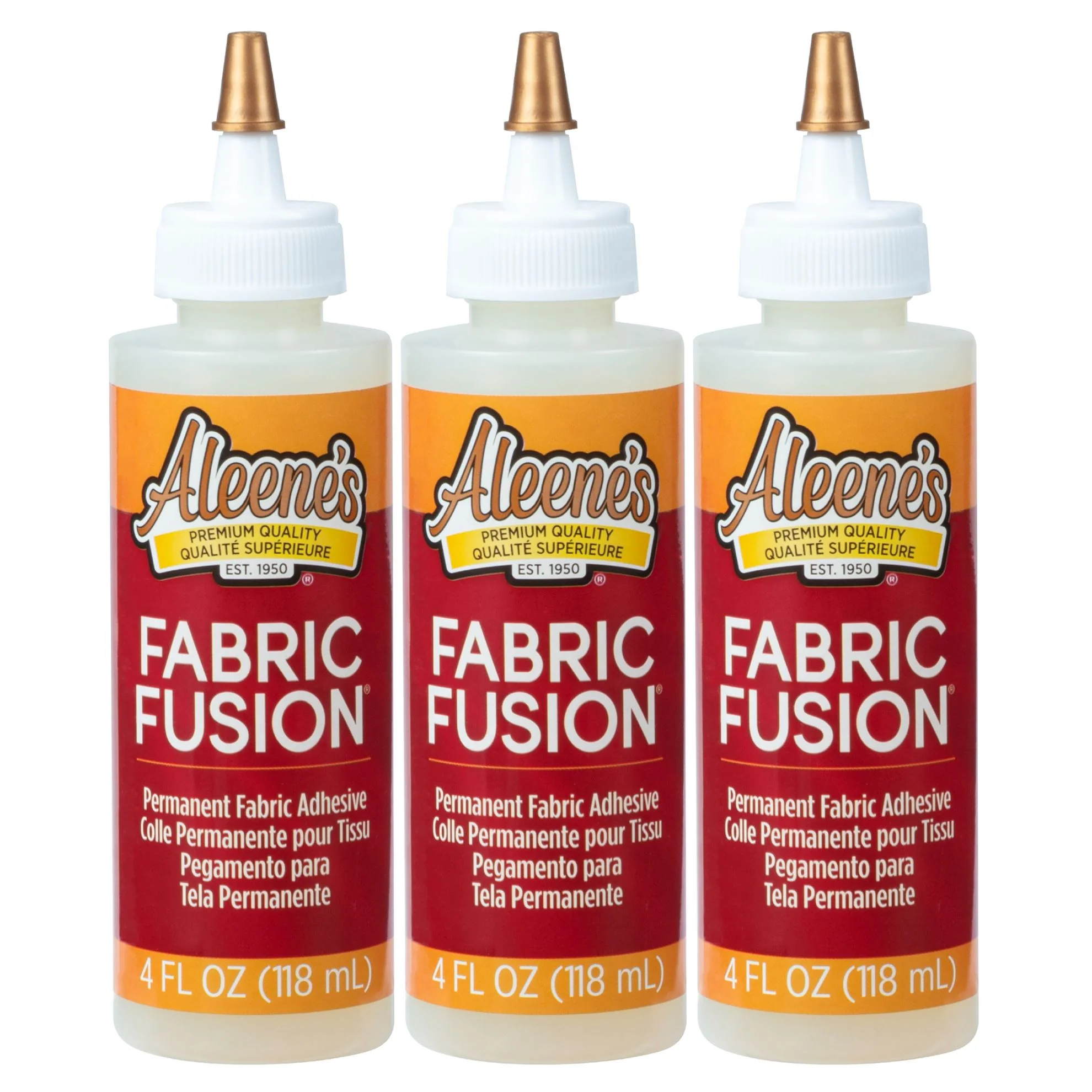
Aleene’s Fabric Fusion Permanent Fabric Adhesive
Professional-grade fabric adhesive that creates permanent bonds without sewing. Ideal for hemming, appliques, and fabric repairs. Dries clear and remains flexible after curing. Machine washable and dryer safe when fully set.
Key Features:
- Permanent bond strength
- Machine washable and dryer safe
- Dries completely clear
- No-sew application
- Flexible when dry
- Works on all fabric types
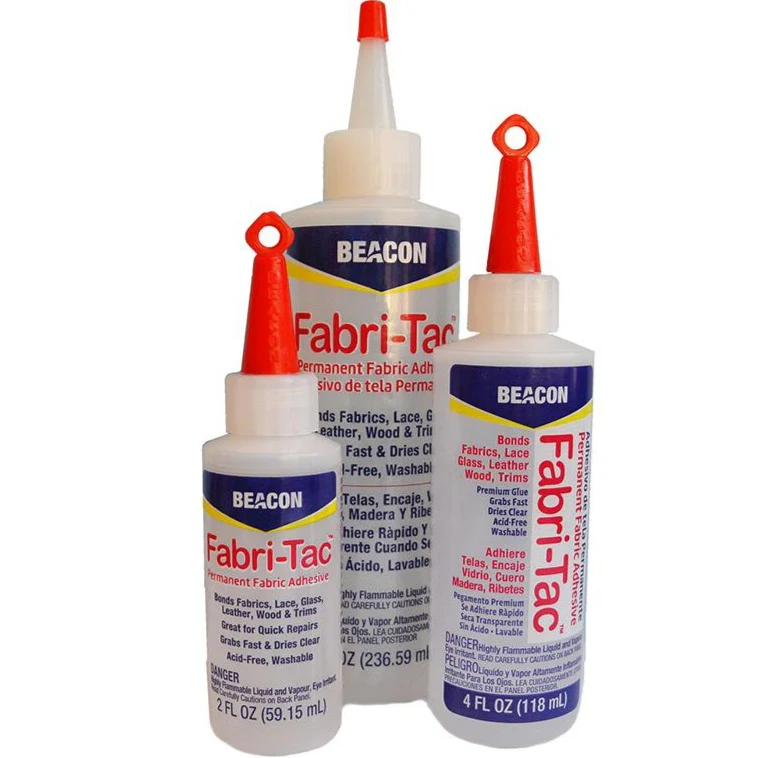
Beacon Fabri-Tac Permanent Adhesive
Fast-bonding fabric adhesive that sets in just 15 seconds. Perfect for quick repairs and instant fabric bonding. Creates strong, permanent connections that withstand washing and wear. Precision tip applicator for controlled placement.
Key Features:
- 15-second bonding time
- Precision tip applicator
- Permanent washable bond
- Works on leather and vinyl
- No clamping required
- Industrial strength formula
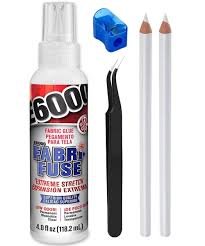
E6000 Fabri-Fuse Flexible Fabric Adhesive
Flexible fabric adhesive designed specifically for stretch fabrics and knits. Maintains elasticity while providing strong adhesion. Perfect for activewear, swimwear, and flexible textile projects. Temperature resistant formula withstands extreme conditions.
Key Features:
- Maintains fabric stretch
- Temperature resistant
- Perfect for knits and elastics
- Waterproof when cured
- UV resistant formula
- Professional grade strength
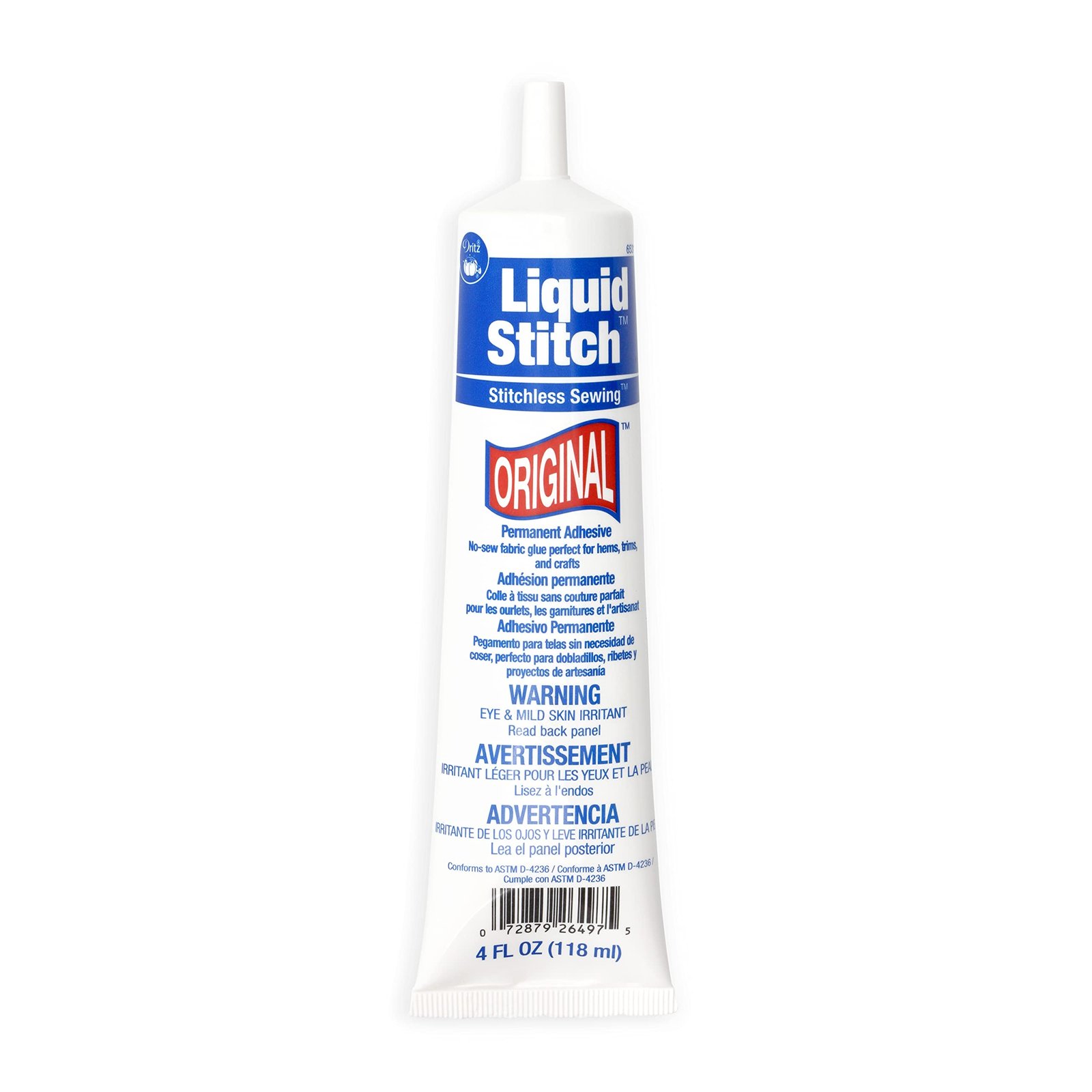
Dritz Liquid Stitch Fabric Glue
Temporary and permanent fabric adhesive option in one bottle. Apply light coating for temporary hold or heavy application for permanent bonds. Machine washable after 48-hour cure time. Ideal for basting and final assembly work.
Key Features:
- Temporary or permanent application
- 48-hour full cure time
- Machine washable when set
- Perfect for basting
- Easy squeeze bottle
- Works on synthetic and natural fabrics
What is Fabric Adhesive and How Does It Work
Fabric adhesive is a specialized bonding agent designed to create strong, lasting connections between textile materials without traditional sewing methods. These innovative glues penetrate fabric fibers to form molecular bonds that can withstand washing, stretching, and regular wear.
Unlike standard craft glues, fabric adhesive formulations account for the unique properties of textiles including flexibility, porosity, and movement. The adhesive molecules cure through solvent evaporation or chemical cross-linking to create bonds that move naturally with fabric.
Types of Fabric Adhesive Formulations
Permanent fabric adhesive creates irreversible bonds designed to last the lifetime of the garment or project. These formulations typically use stronger chemical compounds that fully integrate with fabric fibers during the curing process.
Temporary fabric adhesive allows repositioning and removal without damaging delicate materials. These water-soluble or heat-activated formulas work perfectly for basting, pattern work, and temporary alterations.
Flexible fabric adhesive maintains elasticity after curing, making it ideal for stretch fabrics, knits, and activewear applications. The cured bond stretches and recovers along with the base material.
Choosing the Right Fabric Adhesive for Your Project
Selecting appropriate fabric adhesive depends on your specific project requirements, fabric types, and intended durability. Different formulations excel in particular applications and provide varying levels of permanence and flexibility.
Consider the fabric weight and weave structure when choosing your adhesive. Lightweight fabrics like chiffon require gentler formulations that won’t create stiffness or show through the material. Heavy-duty fabrics like denim can handle stronger industrial-grade adhesives.
Fabric Type Compatibility
Natural fibers like cotton, linen, and wool work well with most fabric adhesive formulations. These materials have good porosity that allows proper adhesive penetration and strong mechanical bonding.
Synthetic materials including polyester, nylon, and acrylic may require specialized fabric adhesive designed for low-porosity surfaces. These formulations use different bonding mechanisms to ensure proper adhesion.
Blended fabrics combine natural and synthetic properties, requiring fabric adhesive that works effectively with both fiber types. Universal formulations typically handle these mixed materials best.
Project Duration Considerations
Temporary projects like costume making or pattern testing benefit from removable fabric adhesive options. These allow easy disassembly and fabric reuse without permanent alteration.
Permanent applications including hemming, repairs, and finished garments require strong, washable fabric adhesive that will maintain bond integrity over time.
Proper Application Techniques for Fabric Adhesive
Correct application technique ensures optimal bonding strength and professional-looking results. Proper surface preparation, adhesive placement, and curing procedures are essential for successful fabric adhesive projects.
Begin by cleaning both fabric surfaces to remove dirt, oils, and sizing chemicals that can interfere with bonding. Use appropriate cleaning methods based on fabric care requirements, allowing complete drying before adhesive application.
Surface Preparation Methods
Press fabrics flat to eliminate wrinkles and ensure even contact between bonding surfaces. Wrinkled areas create air pockets that weaken the overall bond strength and may cause eventual failure.
Test fabric adhesive compatibility on hidden areas before full application. Some fabrics may show staining, stiffening, or other adverse reactions that affect appearance or performance.
Mark placement guidelines using removable markers to ensure accurate positioning. Fabric adhesive bonds quickly, leaving little time for adjustments once contact occurs.
Application Process Steps
Apply fabric adhesive in thin, even coats using the manufacturer’s recommended coverage rate. Excessive adhesive creates stiffness and may show through lightweight fabrics or bleed beyond bond areas.
Work in manageable sections to maintain proper working time before the adhesive begins to set. Most formulations provide 1-5 minutes of open working time depending on environmental conditions.
Press bonded areas firmly using appropriate pressure distribution methods. Hand pressure works for small areas, while rolling pins or pressing tools help achieve consistent contact across larger surfaces.
Fabric Adhesive vs Traditional Sewing Methods
Fabric adhesive offers distinct advantages over traditional sewing in specific applications while maintaining comparable strength and durability. Understanding when to use adhesive versus stitching helps optimize project outcomes and efficiency.
Speed represents a major advantage of fabric adhesive applications. Simple hems, appliques, and repairs that might require significant sewing time can be completed in minutes with proper adhesive selection and technique.
Strength and Durability Comparisons
Modern fabric adhesive formulations can match or exceed the holding power of machine stitching in many applications. The continuous bond line distributes stress more evenly than discrete stitch points, potentially providing superior strength.
Washability testing shows quality fabric adhesive maintains bond integrity through repeated wash and dry cycles when properly cured. Many formulations exceed 50 wash cycles without bond failure or deterioration.
Flexibility testing demonstrates that specialized elastic fabric adhesive can outperform traditional stitching on stretch fabrics by maintaining consistent tension distribution across the entire bond area.
When to Choose Fabric Adhesive
Delicate fabrics that might be damaged by needle penetration benefit significantly from fabric adhesive applications. Silk, mesh, and loosely woven materials maintain structural integrity better with bonding methods.
Visible areas where stitching would detract from appearance work perfectly with clear-drying fabric adhesive. Appliques, patches, and decorative elements can be attached invisibly.
Quick repairs and alterations often work better with fabric adhesive, especially when sewing equipment isn’t readily available or time constraints exist.
Common Fabric Adhesive Applications and Projects
Fabric adhesive excels in numerous crafting and practical applications where traditional sewing methods may be impractical or less effective. Understanding optimal use cases helps maximize the potential of these versatile bonding agents.
Hemming represents one of the most popular fabric adhesive applications, particularly for pants, curtains, and tablecloths. The invisible bond line creates clean finishes without visible stitching that might detract from the design.
Repair and Restoration Projects
Seam repairs using fabric adhesive can restore garment integrity without complex reconstruction. Small tears, separated seams, and worn areas often respond better to adhesive treatment than patching or re-stitching.
Vintage textile restoration benefits from gentle fabric adhesive applications that preserve original materials while providing necessary structural support. Modern adhesives can strengthen fragile fibers without altering appearance.
Upholstery repairs using appropriate fabric adhesive can extend furniture life significantly. Professional-grade formulations provide the durability needed for high-stress applications while maintaining flexibility.
Creative Crafting Applications
Quilt assembly can incorporate fabric adhesive for basting layers before final quilting. Temporary formulations hold pieces securely while allowing easy repositioning during the design process.
Applique work achieves professional results with fabric adhesive, eliminating the need for visible edge stitching. Complex designs with small pieces are much easier to execute with bonding methods.
Costume construction often relies heavily on fabric adhesive for speed and versatility. Quick changes, temporary modifications, and delicate material handling all benefit from appropriate adhesive selection.
Home Decor Projects
Curtain modifications including hemming, pleating, and trim attachment work excellently with fabric adhesive. The bonds remain stable through repeated opening and closing cycles.
Pillow construction can eliminate sewing entirely when using appropriate fabric adhesive formulations. Clean edges and professional appearance result from proper application techniques.
Troubleshooting and Care Tips for Fabric Adhesive
Understanding common fabric adhesive challenges and their solutions ensures successful project outcomes and long-lasting results. Proper troubleshooting techniques can salvage projects that encounter bonding issues.
Bond failure typically results from inadequate surface preparation, incorrect adhesive selection, or improper application technique. Identifying the root cause allows appropriate corrective action rather than simply reapplying adhesive.
Common Application Problems
Stiff or rigid bond areas usually indicate excessive adhesive application or incompatible formulation selection. Thin, even coats provide optimal flexibility while maintaining adequate bond strength.
Visible adhesive bleeding through fabric surfaces occurs when using too much product or selecting inappropriate formulations for lightweight materials. Test applications help identify proper coverage rates.
Poor adhesion on synthetic fabrics often requires surface preparation with appropriate primers or selection of specialized fabric adhesive formulated for low-energy surfaces.
Maintenance and Longevity
Washing bonded fabrics requires following manufacturer guidelines for temperature and detergent selection. Excessive heat or harsh chemicals can compromise adhesive integrity over time.
Storage considerations include protecting unused fabric adhesive from temperature extremes and contamination. Proper sealing and climate control extend shelf life significantly.
Repair techniques for partially failed bonds often involve careful adhesive removal and complete reapplication rather than attempting to reinforce existing bonds that have begun to fail.
Professional Results Tips
Working time management becomes crucial with fast-setting fabric adhesive formulations. Prepare all materials and plan the application sequence before opening containers.
Temperature and humidity control during application and curing optimize bond development. Most fabric adhesive performs best in moderate conditions with good air circulation.
Frequently Asked Questions
Achieving Professional Results with Fabric Adhesive
Fabric adhesive represents a revolutionary advancement in textile crafting and garment construction, offering speed, precision, and professional results that rival traditional sewing methods. Modern formulations provide the strength, flexibility, and washability needed for both temporary and permanent applications across virtually every fabric type.
Successful fabric adhesive application depends on selecting the right product for your specific needs, preparing surfaces properly, and following proven application techniques. Whether you’re hemming curtains, repairing vintage textiles, or creating complex applique designs, the appropriate fabric adhesive can streamline your workflow while delivering superior results.
The versatility of fabric adhesive makes it an essential tool for crafters, seamstresses, and DIY enthusiasts at every skill level. From quick repairs that extend garment life to creative projects that would be impossible with traditional methods, these innovative bonding agents open new possibilities for textile work.
Investing in quality fabric adhesive and mastering proper application techniques will transform your crafting capabilities and project outcomes. With the right knowledge and materials, you can achieve professional-grade results that stand the test of time while enjoying the speed and convenience that modern adhesive technology provides.