
Elastic Bands – Sewing Elastic by the Yard for Every Project
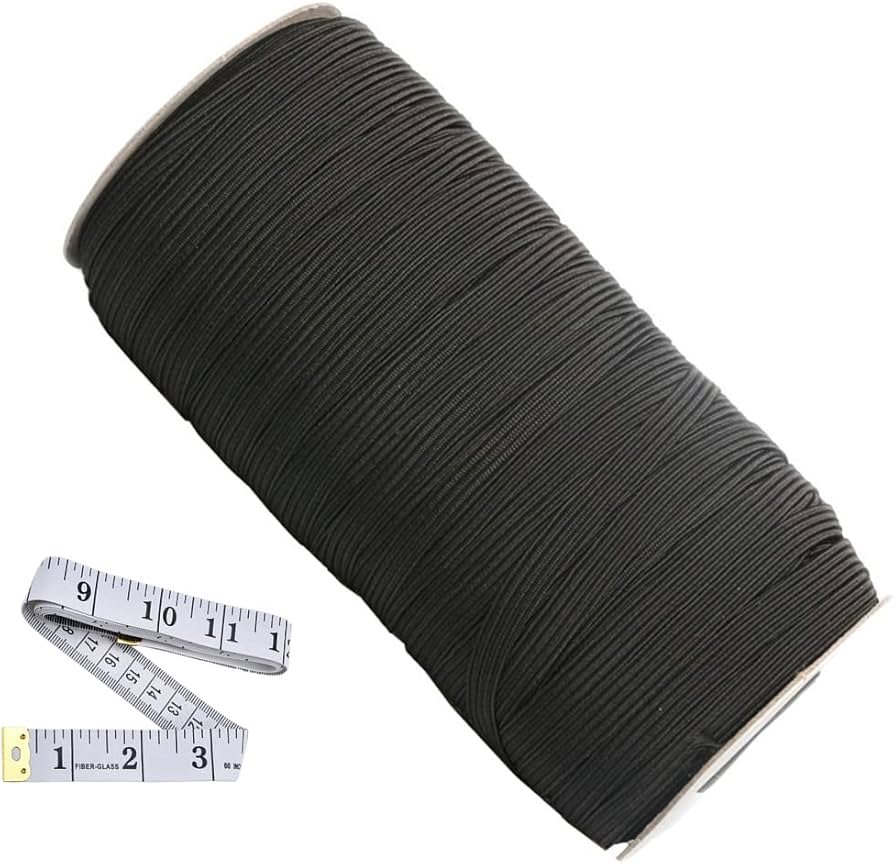
Premium Braided Elastic Band Collection
High-quality braided elastic bands designed for superior stretch and recovery. Perfect for waistbands, cuffs, and straps, this elastic band maintains its shape even after repeated washing and wear. Available in multiple widths and colors to match any sewing project requirements.
Key Features:
- Superior stretch and recovery
- Maintains shape after washing
- Available in multiple widths
- Colorfast and fade-resistant
- Soft comfortable feel
- Professional-grade durability
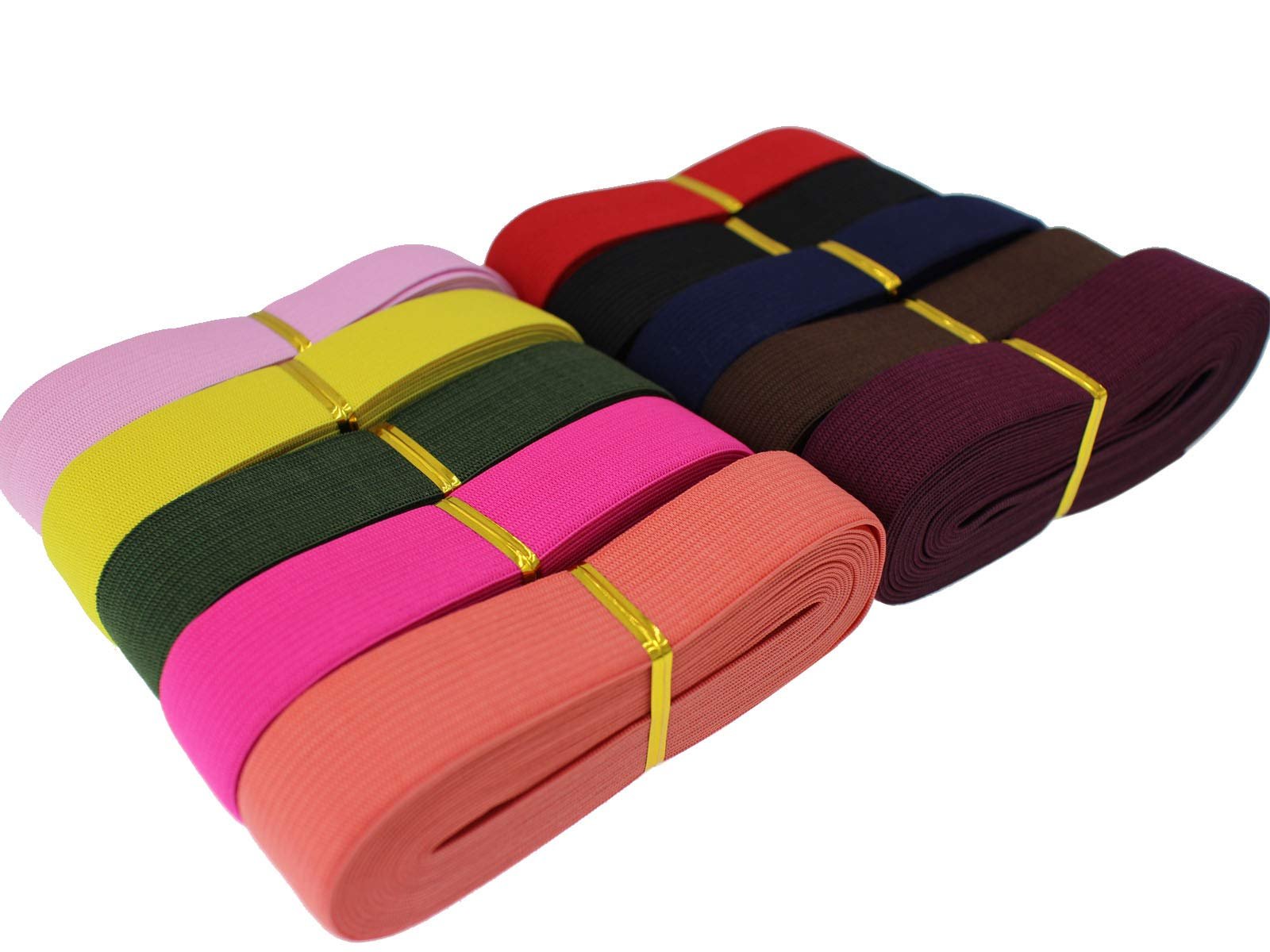
Flat Knit Elastic Band Assortment
Versatile flat knit elastic band perfect for lightweight garments and delicate projects. This elastic band offers excellent stretch while remaining comfortable against skin. Ideal for lingerie, activewear, and children’s clothing where gentle compression is needed without bulk or discomfort.
Key Features:
- Gentle stretch for comfort
- Lightweight and thin profile
- Skin-friendly materials
- Excellent for activewear
- Reduces bulk in seams
- Machine washable and dryable
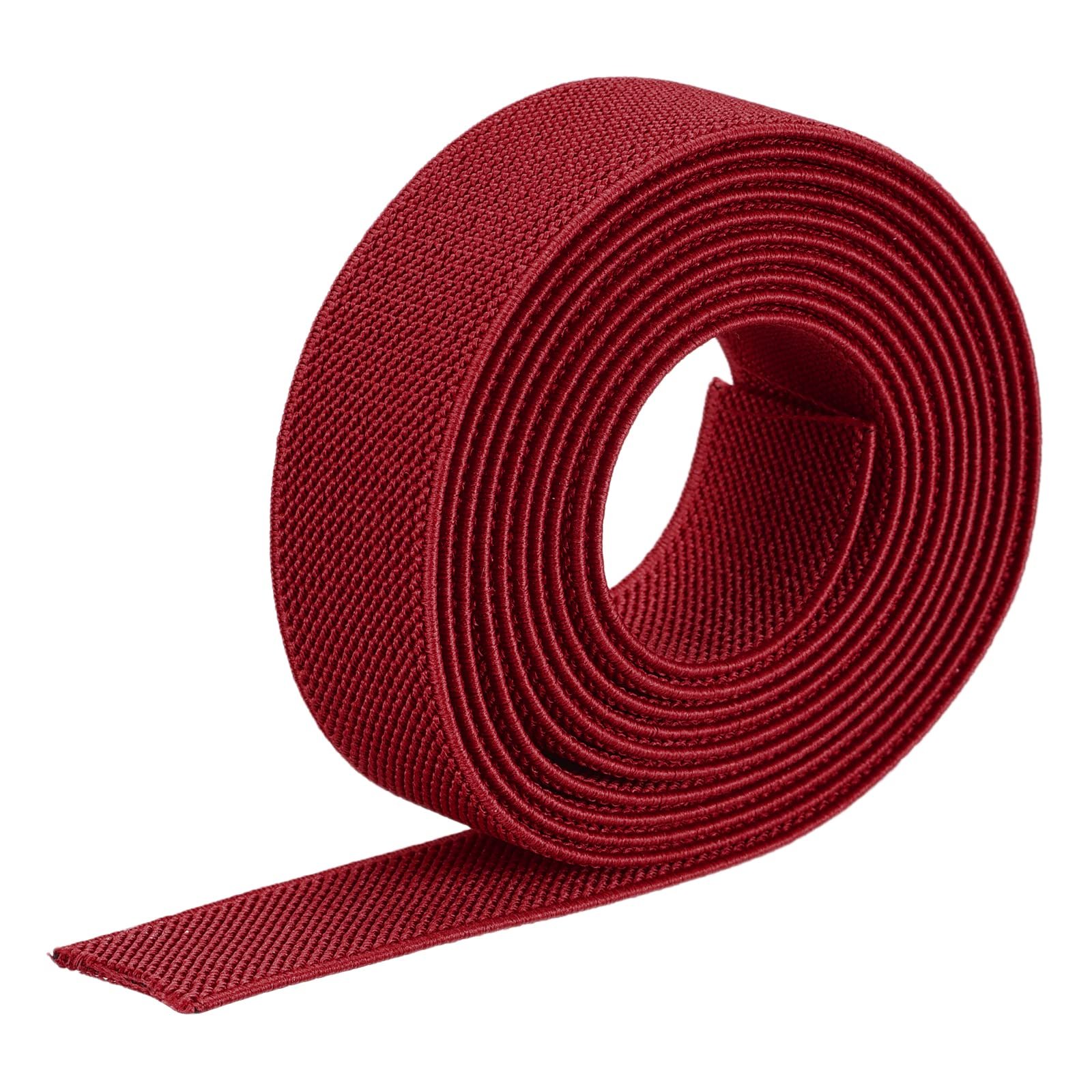
Heavy-Duty Woven Elastic Band
Strong woven elastic band engineered for demanding applications and heavy-use garments. This robust elastic band provides maximum support and longevity for jeans, work pants, and outdoor gear. Features reinforced construction that withstands frequent stretching and industrial washing cycles.
Key Features:
- Maximum strength and support
- Reinforced construction
- Industrial washing resistant
- Perfect for heavy fabrics
- Long-lasting performance
- Professional tailoring grade
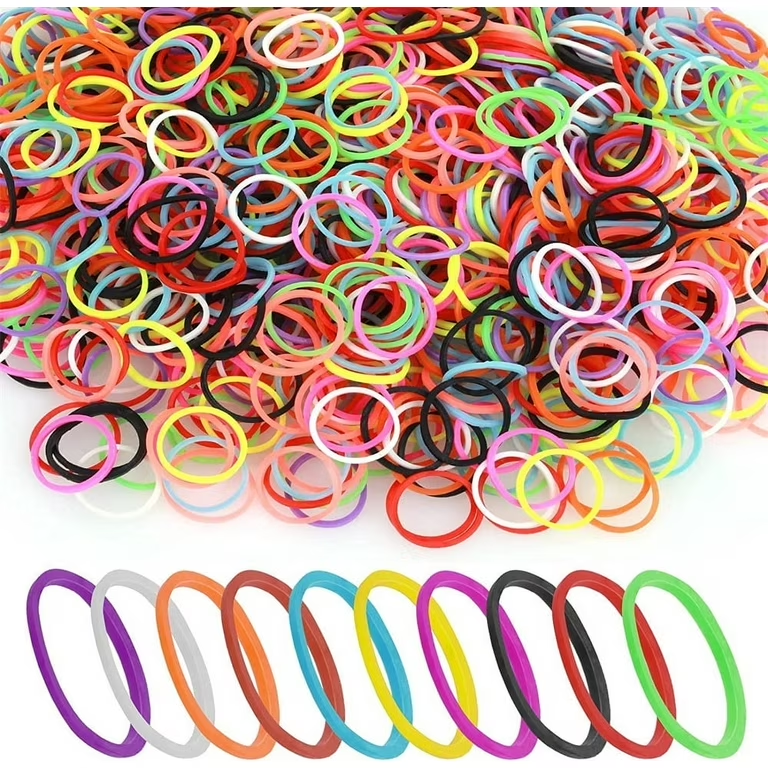
Specialty Clear Elastic Band
Transparent clear elastic band designed for invisible applications in formal wear and delicate garments. This unique elastic band provides necessary stretch while remaining virtually undetectable. Perfect for shoulder straps, bra applications, and any project where elastic visibility would detract from the finished appearance.
Key Features:
- Virtually invisible when applied
- Crystal clear transparency
- Maintains clarity over time
- Perfect for formal wear
- Gentle stretch properties
- UV resistant material
Understanding Different Types of Elastic Band Materials
The world of sewing elastic offers numerous options, with each elastic band type serving specific purposes in garment construction. Understanding the differences between braided, knit, and woven elastic bands helps ensure project success.
Braided elastic band features interwoven fibers that create exceptional stretch and recovery properties. This type maintains its original width when stretched and works perfectly for waistbands and areas requiring consistent tension.
Knit Elastic Band Characteristics
Knit elastic band offers superior comfort due to its soft, fabric-like texture. This elastic band type stretches in all directions and recovers quickly, making it ideal for activewear and undergarments where flexibility is paramount.
Woven Elastic Band Applications
Woven elastic band provides maximum strength and durability for heavy-duty applications. The reinforced construction of this elastic band type makes it perfect for work clothes, outdoor gear, and any garment requiring long-term performance under stress.
Choosing the Right Width and Weight for Your Elastic Band
Selecting the proper elastic band width significantly impacts both comfort and functionality in your finished project. Narrow elastic bands work best for lightweight fabrics and delicate applications, while wider options provide better distribution of tension.
For waistbands, a 1-inch elastic band typically offers the best balance of comfort and support. Narrower elastic band options, ranging from 1/4 inch to 3/4 inch, work excellently for cuffs, leg openings, and decorative applications.
Weight Considerations for Elastic Band Selection
Matching elastic band weight to fabric weight ensures professional results and garment longevity. Heavy fabrics require substantial elastic band support, while delicate materials need gentle stretch that won’t cause puckering or distortion.
The stretch percentage of your chosen elastic band should complement the fabric’s natural drape. A good rule of thumb is selecting elastic band that stretches 50-100% beyond its relaxed length while maintaining recovery.
Professional Techniques for Sewing Elastic Band Applications
Proper installation techniques ensure your elastic band performs optimally throughout the garment’s lifetime. Pre-stretching elastic band slightly before cutting helps prevent over-stretching during application and maintains consistent tension.
When sewing elastic band directly to fabric, use a stretch stitch or narrow zigzag to allow the seam to move with the elastic. This prevents thread breakage and maintains the elastic band’s full stretch capability.
Direct Application Methods
Direct application involves sewing the elastic band directly to the fabric surface. This method works well for waistbands where the elastic band will be visible and serves as a design element.
Mark quarter points on both the elastic band and fabric to ensure even distribution. This technique prevents bunching and creates professional-looking results with consistent gathering.
Casing Installation Techniques
Creating a casing allows the elastic band to move freely within a fabric tunnel. This method provides adjustability and makes elastic band replacement simple when needed.
Leave a small opening in the casing seam for elastic band insertion. Use a safety pin or bodkin to thread the elastic band through the casing, being careful not to twist the material.
Caring for and Maintaining Your Elastic Band Projects
Proper care extends the life of elastic band applications and maintains their stretch properties. Heat is the primary enemy of elastic band longevity, so using cool water and low dryer settings preserves elasticity.
Chlorine bleach can break down elastic band fibers, leading to premature failure. Use oxygen bleach or color-safe alternatives when whitening garments containing elastic band elements.
Storage Best Practices
Store unused elastic band in a cool, dry place away from direct sunlight. UV exposure can degrade elastic band materials over time, reducing their effectiveness in finished projects.
Keep elastic band flat or loosely coiled to prevent permanent stretching during storage. Avoid hanging heavy elastic band lengths, as gravity can cause unwanted elongation.
Troubleshooting Common Issues
When elastic band loses its stretch, replacement is usually necessary rather than repair. However, catching problems early can sometimes save a project through strategic adjustments.
If elastic band becomes twisted in a casing, carefully work it flat using gentle manipulation. Severe twisting may require removing and reinstalling the elastic band for best results.
Creative Uses for Elastic Band Beyond Basic Applications
Modern sewers discover innovative ways to incorporate elastic band into both functional and decorative applications. Beyond traditional waistbands, elastic band serves as an excellent solution for creating adjustable straps, gathering effects, and custom-fit modifications.
Decorative elastic band adds both function and style to garments, particularly in activewear and casual clothing. Colored or patterned elastic band can become a design focal point while providing necessary stretch.
Home Decor Applications
Elastic band finds useful applications in home decorating projects, from fitted sheets to furniture covers. The stretch properties make it ideal for creating snug-fitting covers that stay in place.
Cushion covers benefit from elastic band corners that maintain shape and fit. This application eliminates the need for zippers while providing easy removal for washing.
Craft and Accessory Projects
Elastic band enables creative accessory projects like hair accessories, book covers, and organizational items. The material’s versatility makes it perfect for items requiring flexibility and adjustability.
Consider using elastic band for creating adjustable closures on bags, pouches, and protective covers. This approach provides secure closure while accommodating various contents and sizes.
Shopping Tips for Quality Elastic Band Selection
Quality elastic band makes the difference between professional results and disappointing outcomes. Test elastic band stretch and recovery before purchasing by gently stretching a small section and observing how quickly it returns to original length.
Examine elastic band edges for fraying or loose threads that indicate poor construction. High-quality elastic band maintains clean, finished edges that won’t deteriorate with use and washing.
Color and Matching Considerations
While exact color matching isn’t always necessary, choosing elastic band that complements your fabric prevents unwanted visibility in finished projects. Consider whether the elastic band will show in normal wear when making color decisions.
For projects where elastic band visibility is desired, explore decorative options that enhance rather than detract from your design. Metallic, patterned, or contrasting elastic band can create interesting design elements.
Quantity Planning
Purchase slightly more elastic band than calculated measurements allow for testing and potential mistakes. Having extra material prevents project delays and ensures consistent color matching if additional elastic band becomes necessary.
Consider buying elastic band in longer lengths for multiple projects, as bulk purchasing often provides better value while ensuring consistent quality across projects.
Frequently Asked Questions
Create Professional Results with Quality Elastic Band
Selecting the right elastic band transforms ordinary sewing projects into professional-quality garments that provide comfort, durability, and perfect fit. Understanding the different types of elastic band available helps you make informed decisions that enhance both function and appearance in your finished projects.
Whether you’re creating everyday wear, activewear, or specialty garments, investing in quality elastic band ensures long-lasting results that maintain their stretch and recovery properties through countless wears and washes. The techniques and tips covered in this guide provide the foundation for successful elastic band applications in any sewing project.
From basic waistband installation to creative decorative applications, elastic band offers versatility that extends far beyond traditional uses. Experimenting with different types, widths, and applications opens up new possibilities for both functional and artistic sewing projects.
With proper selection, installation, and care, your elastic band projects will provide years of reliable performance while maintaining the comfort and fit that makes handmade garments truly special. Start your next project with confidence, knowing you have the knowledge and quality materials needed for outstanding results.