
Self-Healing Cutting Mat Guide: Essential Quilting Mat Features and Benefits
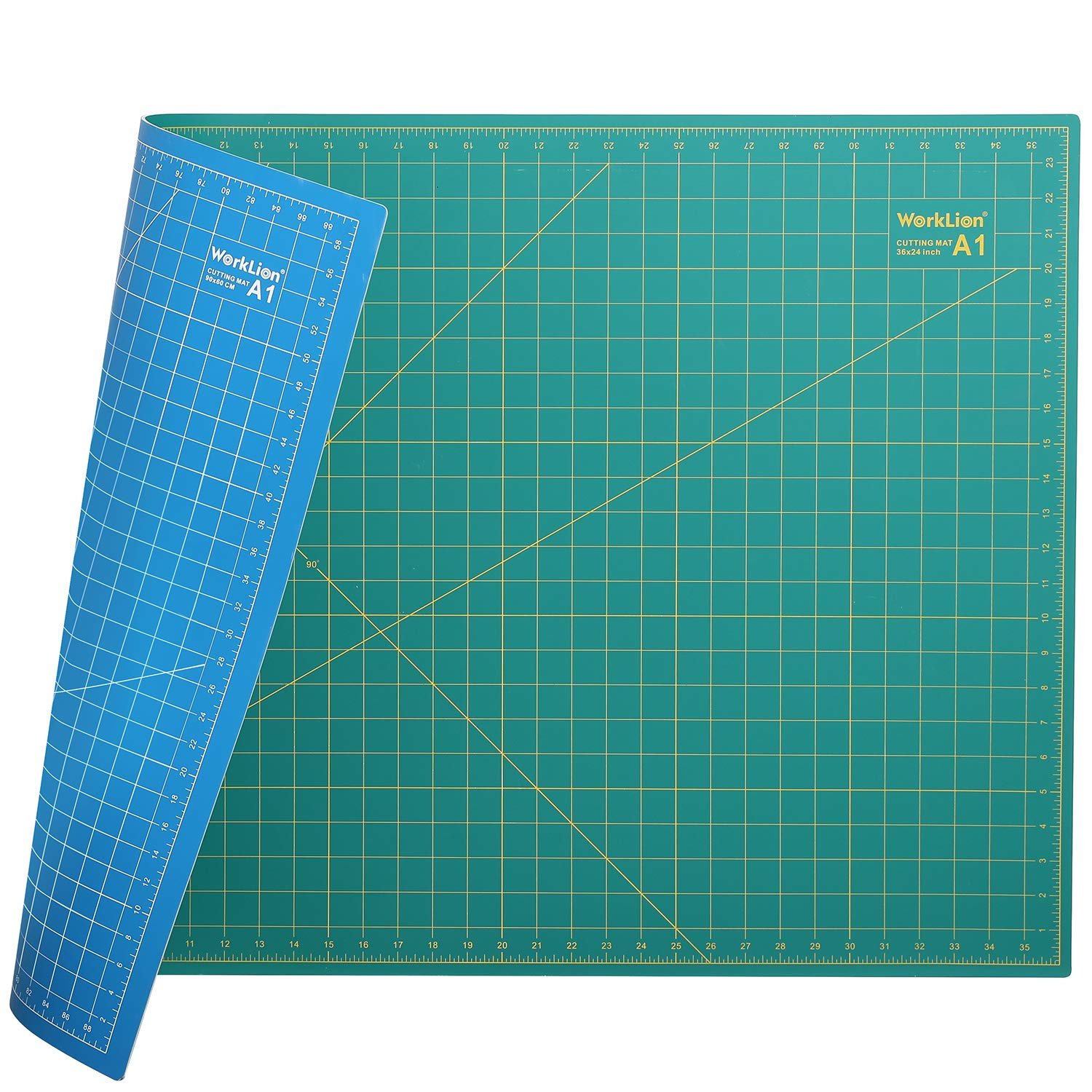
Professional Self-Healing Cutting Mat 24″ x 36″
Premium quality cutting mat designed for quilters and crafters who demand precision and durability. Features a self-healing surface that closes cuts automatically, maintaining a smooth cutting surface for years. Double-sided design with imperial and metric measurements for versatile project planning.
Key Features:
- Self-healing surface technology
- Double-sided measurement grids
- Professional 24″ x 36″ size
- Non-slip backing design
- Rotary cutter compatible
- Fade-resistant measurement lines
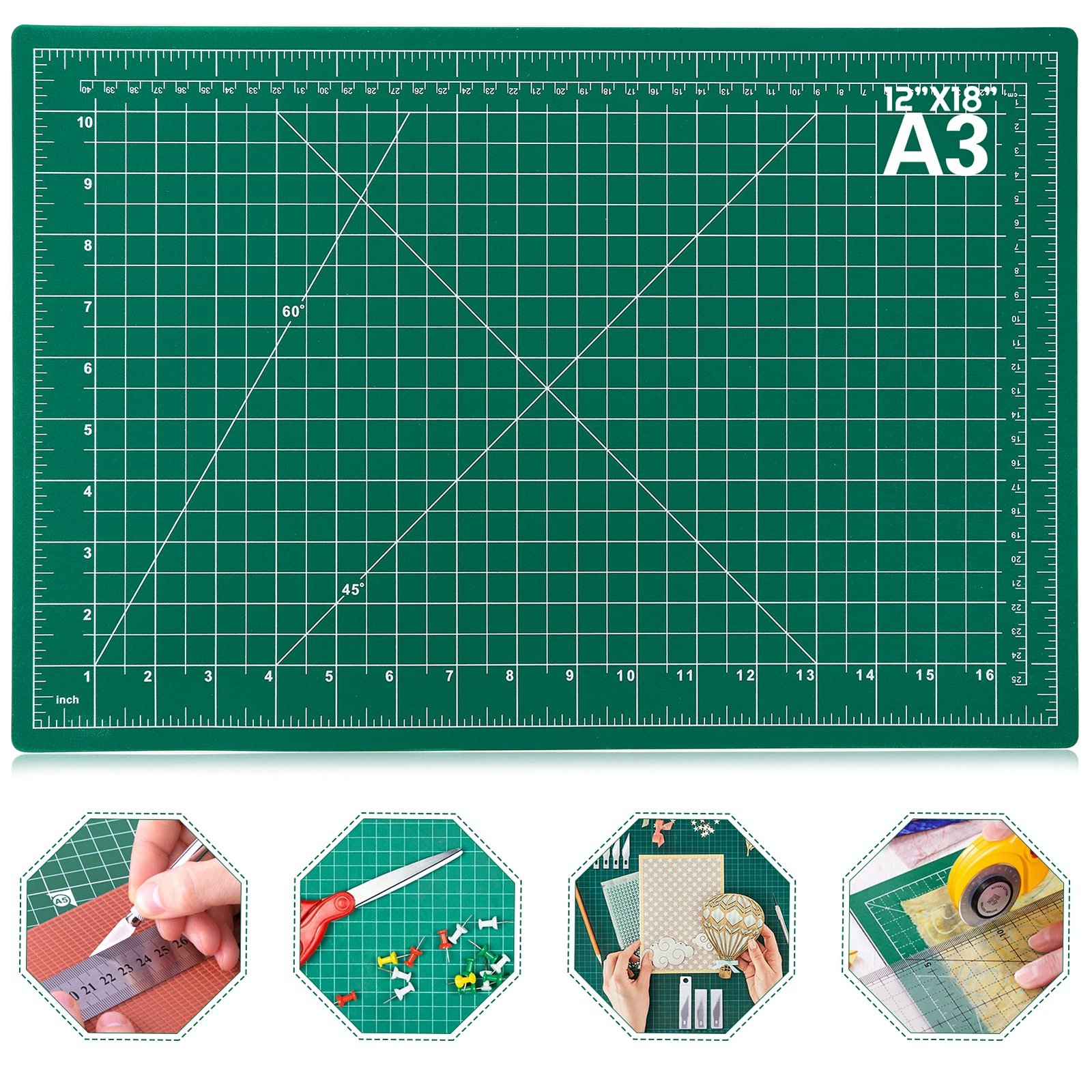
Compact Self-Healing Cutting Mat 12″ x 18″
Perfect portable cutting mat for small quilting projects and precision cutting tasks. Ideal for detailed work, appliqué, and travel crafting. Self-healing technology ensures longevity while the compact size fits any workspace. Clear measurement markings support accurate cutting every time.
Key Features:
- Portable 12″ x 18″ design
- Self-healing surface durability
- Clear measurement markings
- Travel-friendly thickness
- Multi-angle cutting guides
- Easy storage capability
Extra-Large Self-Healing Cutting Mat 36″ x 48″
Ultimate cutting mat for serious quilters working with large fabric pieces and full-size quilt blocks. Spacious surface accommodates multiple fabric layers while self-healing technology maintains cutting precision. Professional-grade construction withstands heavy daily use in quilting studios.
Key Features:
- Extra-large 36″ x 48″ surface
- Heavy-duty self-healing material
- Professional studio quality
- Multi-layer cutting capability
- Comprehensive grid system
- Long-lasting edge retention
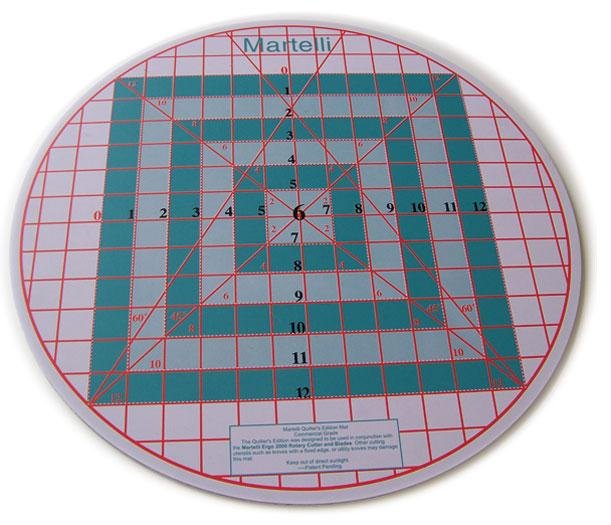
Rotating Self-Healing Cutting Mat 16″ Round
Innovative rotating cutting mat that eliminates the need to move fabric while cutting curves and angles. Self-healing surface combined with 360-degree rotation makes complex quilting cuts effortless. Perfect for creating curved piecing, circular designs, and intricate appliqué shapes.
Key Features:
- 360-degree rotation mechanism
- Self-healing cutting surface
- Curved cutting specialization
- 16-inch diameter workspace
- Smooth rotation bearings
- Angle measurement markings
Understanding Self-Healing Cutting Mat Technology
A self-healing cutting mat represents one of the most important investments any quilter can make for their craft room. This innovative cutting mat technology uses specially formulated materials that automatically close knife cuts, maintaining a smooth cutting surface over thousands of uses.
The self-healing properties work through a unique polymer blend that flexes when cut, then returns to its original state. Unlike traditional cutting surfaces that develop grooves and damage over time, a quality cutting mat continues performing at peak level for years of quilting projects.
How Self-Healing Technology Works
The science behind every effective cutting mat involves layered construction with specialized polymers. When a rotary cutter blade penetrates the surface, the material molecules separate temporarily before reforming their original bonds.
This cutting mat technology prevents the permanent grooves that would otherwise dull rotary cutter blades and create uneven cuts. Professional quilters rely on this self-healing capability to maintain precision across hundreds of fabric cutting sessions.
Essential Cutting Mat Features for Quilters
Choosing the right cutting mat requires understanding which features support your specific quilting needs. Size considerations rank among the most critical factors, as your cutting mat should accommodate your largest typical fabric pieces without crowding.
Measurement accuracy on your cutting mat determines cutting precision across all projects. Look for clearly printed grid lines, angle markings, and both imperial and metric measurements to support diverse quilting techniques.
Grid Systems and Measurement Accuracy
Professional quilting demands precise measurements, making grid quality a crucial cutting mat characteristic. The best cutting mat options feature laser-etched or permanently printed measurement lines that won’t fade with use.
Angle lines at 30, 45, and 60 degrees support common quilting cuts without requiring additional rulers. A comprehensive cutting mat grid system speeds up fabric preparation while ensuring consistent block sizes throughout your projects.
Surface Texture and Blade Compatibility
The ideal cutting mat surface provides enough grip to prevent fabric slipping while allowing smooth rotary cutter movement. Too much texture can impede blade movement, while insufficient texture lets fabric shift during cutting.
Rotary cutter compatibility ensures your cutting mat works seamlessly with all blade sizes and cutting tools. Quality materials support both 28mm and 60mm rotary cutters without causing premature blade dulling or surface damage.
Choosing the Right Cutting Mat Size for Your Space
Cutting mat size selection impacts both your workspace efficiency and cutting capabilities. Small spaces benefit from compact cutting mat options that store easily while still providing adequate cutting surface for most quilting projects.
Larger cutting mat sizes accommodate full-width fabrics and multiple layers simultaneously. Consider your typical project scale when selecting between portable and stationary cutting mat configurations.
Standard Cutting Mat Dimensions
The 24″ x 36″ cutting mat represents the most popular size for home quilters, offering generous cutting space without overwhelming average craft tables. This cutting mat size handles fat quarters, half-yard cuts, and most quilting blocks comfortably.
Smaller 12″ x 18″ cutting mat options excel for appliqué work, binding preparation, and travel projects. These portable sizes let you maintain cutting precision anywhere while taking up minimal storage space.
Large Format Cutting Mat Benefits
Extra-large cutting mat sizes like 36″ x 48″ transform quilting efficiency for serious crafters. These professional cutting mat dimensions accommodate full fabric widths, reducing the need for multiple cuts on large pieces.
Studio quilters who work on multiple projects simultaneously benefit from expansive cutting mat surfaces. The ability to lay out entire quilt sections on one cutting mat streamlines design planning and cutting workflows.
Cutting Mat Care and Maintenance Tips
Proper cutting mat maintenance extends the life of your investment while preserving cutting accuracy. Regular cleaning removes fabric fibers, adhesive residue, and dust that can interfere with smooth rotary cutter operation.
Temperature management plays a crucial role in cutting mat longevity. Extreme heat can warp your cutting mat, while freezing temperatures may make the surface brittle and prone to cracking.
Cleaning Your Cutting Mat Properly
Gentle soap and warm water provide the safest cleaning method for most cutting mat materials. Avoid harsh chemicals or abrasive cleaners that might damage the self-healing properties or measurement markings.
For stubborn adhesive residue, specialized cutting mat cleaners dissolve sticky buildup without harming the surface. Regular cleaning maintains the slightly textured feel that helps grip fabric during cutting.
Storage and Protection Strategies
Flat storage prevents warping and maintains your cutting mat’s accuracy over time. Vertical storage works for smaller cutting mat sizes, but larger mats should remain horizontal to prevent bending stress.
Protect your cutting mat surface by covering when not in use, preventing dust accumulation and accidental damage. Dedicated cutting mat storage solutions keep your investment safe while maximizing craft room organization.
Maximizing Your Cutting Mat Investment
Strategic cutting mat usage helps you get maximum value from your quilting investment. Rotating your cutting mat regularly distributes wear evenly across the surface, preventing heavily used areas from developing permanent indentations.
Using appropriate cutting tools maintains your cutting mat’s self-healing properties. Sharp rotary cutter blades create clean cuts that heal properly, while dull blades can tear the surface and compromise long-term performance.
Advanced Cutting Mat Techniques
Experienced quilters develop cutting mat techniques that improve efficiency and accuracy. Using the grid lines for fabric alignment speeds up cutting while ensuring straight edges and consistent measurements.
Layering cutting techniques work well on quality cutting mat surfaces, allowing you to cut multiple fabric pieces simultaneously. This approach saves time on repetitive cuts while maintaining precision across all pieces.
Troubleshooting Common Issues
If your cutting mat develops persistent marks or loses its grip, professional restoration techniques can often restore performance. Gentle sanding with fine-grit sandpaper can refresh the surface texture.
Warped cutting mat problems often resolve with careful heat application and weighted flattening. Place the mat in warm sunlight with heavy books on corners to gradually restore flatness.
Professional Quilting Studio Setup with Cutting Mats
Professional quilting environments require cutting mat solutions that support high-volume production and consistent quality. Multiple cutting mat stations allow different projects to progress simultaneously without constant setup changes.
Dedicated cutting mat placement at optimal working height reduces fatigue during extended cutting sessions. Proper lighting over your cutting mat area ensures accurate measurement reading and precise cutting line visibility.
Creating Efficient Cutting Workflows
Streamlined cutting mat organization keeps essential tools within easy reach while maintaining clear workspace. Designated storage for rulers, rotary cutters, and cutting mat accessories improves workflow efficiency.
Batch cutting techniques maximize your cutting mat usage time by preparing multiple projects simultaneously. This approach reduces setup time while maintaining cutting mat surface condition through varied usage patterns.
Upgrading Your Cutting Mat Setup
As your quilting skills advance, cutting mat upgrades can support more complex projects and improve cutting precision. Specialized cutting mat types like rotating mats excel for curved piecing and appliqué work.
Investing in multiple cutting mat sizes provides flexibility for different project types. Keep a large cutting mat for primary cutting tasks while maintaining smaller sizes for detail work and portable projects.
Frequently Asked Questions
Transform Your Quilting with the Perfect Cutting Mat
Investing in a quality self-healing cutting mat transforms every aspect of your quilting experience, from initial fabric preparation through final binding cuts. The right cutting mat provides the foundation for accurate, efficient cutting that directly impacts the quality and appearance of your finished quilts.
Whether you’re just beginning your quilting journey or managing a professional studio, choosing the appropriate cutting mat size and features supports your creative goals while protecting your investment in quality tools. The self-healing technology ensures years of reliable performance, making your cutting mat purchase one of the most cost-effective additions to your quilting supplies.
Consider your workspace, typical project sizes, and quilting frequency when selecting from the available cutting mat options. Remember that proper care and maintenance will extend your cutting mat’s lifespan while preserving the accuracy essential for professional-quality results.
Start building your ideal quilting setup today with a cutting mat that matches your needs and ambitions. Your future quilting projects will benefit from the precision, efficiency, and convenience that only a quality cutting mat can provide.