
Sewing Buttons Guide: Craft & Fashion Buttons for Every Project
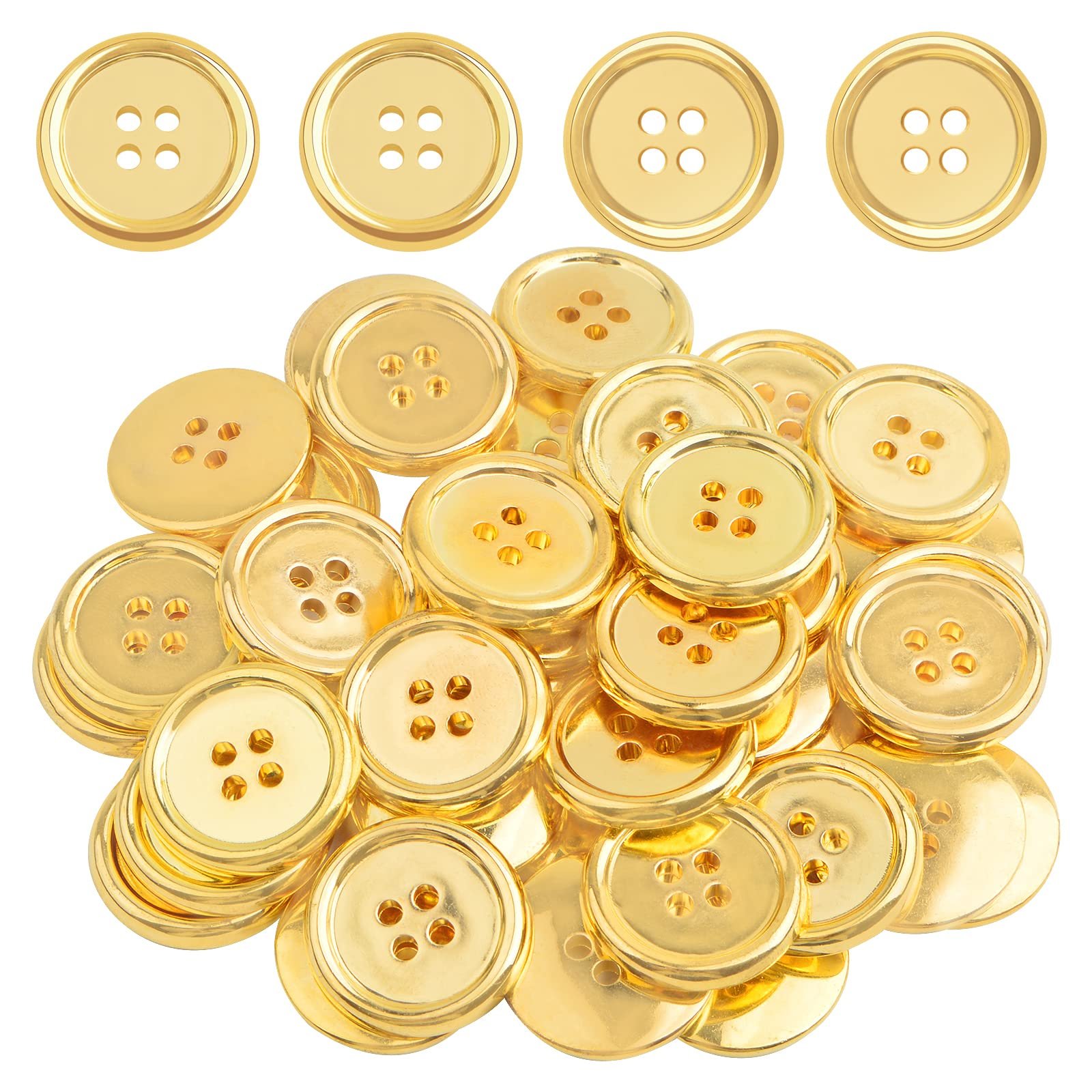
Classic 4-Hole Shirt Buttons Set
Essential white and neutral buttons perfect for garments, home décor, and craft projects. These durable plastic buttons feature clean lines and classic styling that complements any fabric. Available in multiple sizes from 12mm to 20mm diameter. Machine washable and colorfast for lasting wear.
Key Features:
- 4-hole design for secure attachment
- Multiple neutral colors available
- Various sizes from 12-20mm
- Machine washable and durable
- Perfect for shirts and blouses
- Smooth finish prevents fabric snags
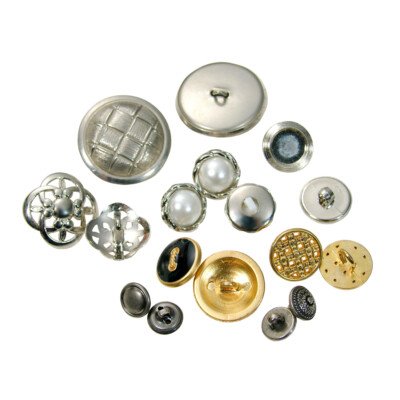
Decorative Metal Shank Buttons Collection
Elegant metal buttons with ornate designs perfect for coats, jackets, and fashion accessories. Features antique brass, silver, and copper finishes with detailed embossed patterns. Shank backing allows for easy attachment and professional appearance. Ideal for both vintage-inspired and contemporary garments.
Key Features:
- Shank design for easy sewing
- Antique metal finishes
- Detailed embossed patterns
- Perfect for outerwear
- Professional appearance
- Rust-resistant coating
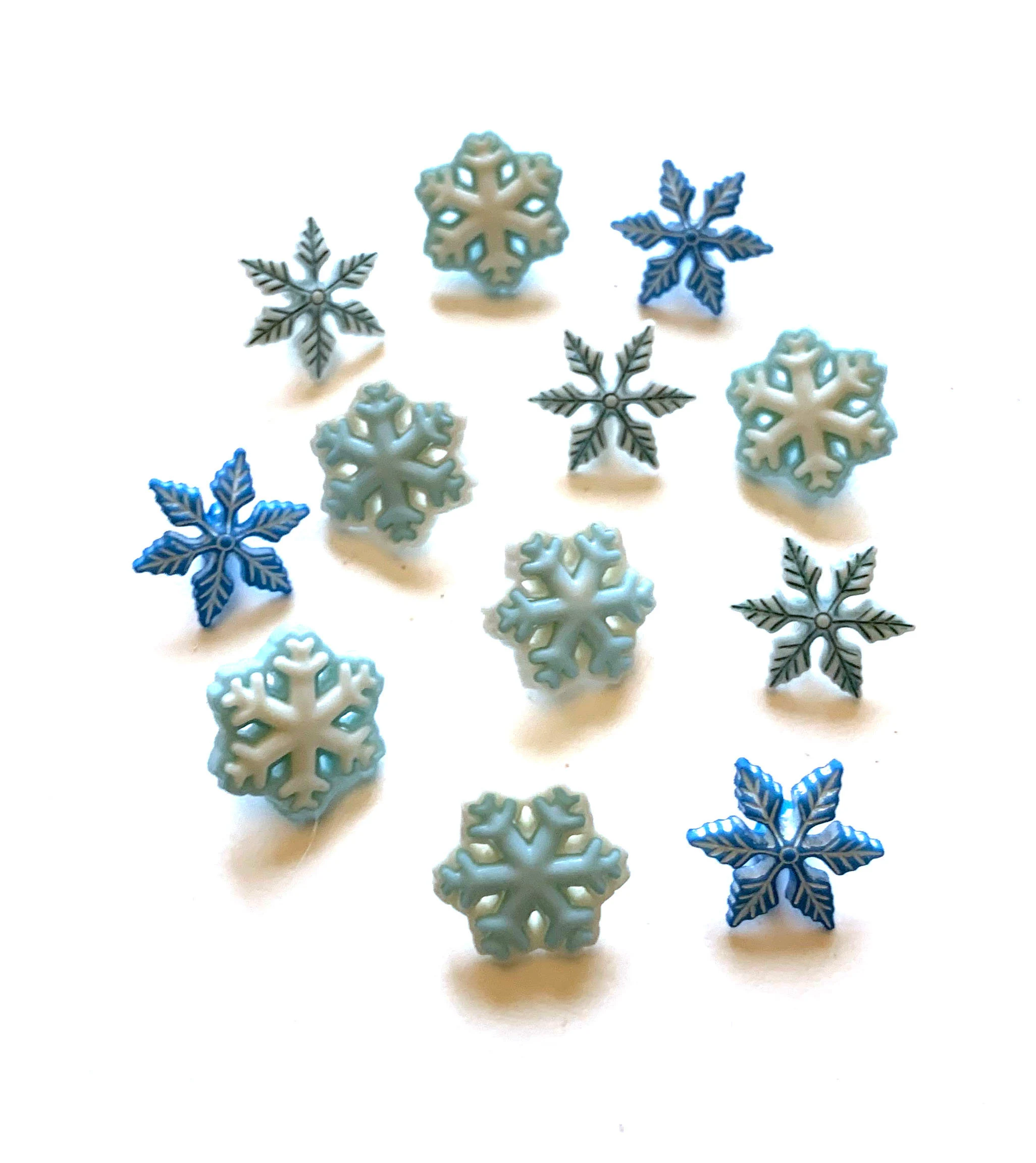
Novelty Craft Buttons Assortment
Colorful collection of themed buttons perfect for children’s clothing, scrapbooking, and craft projects. Includes animal shapes, flowers, geometric designs, and seasonal motifs in bright, fade-resistant colors. Made from lightweight plastic with smooth edges safe for all ages.
Key Features:
- Fun themed shapes and designs
- Bright fade-resistant colors
- Lightweight plastic construction
- Safe smooth edges
- Perfect for kids’ projects
- Great for scrapbooking
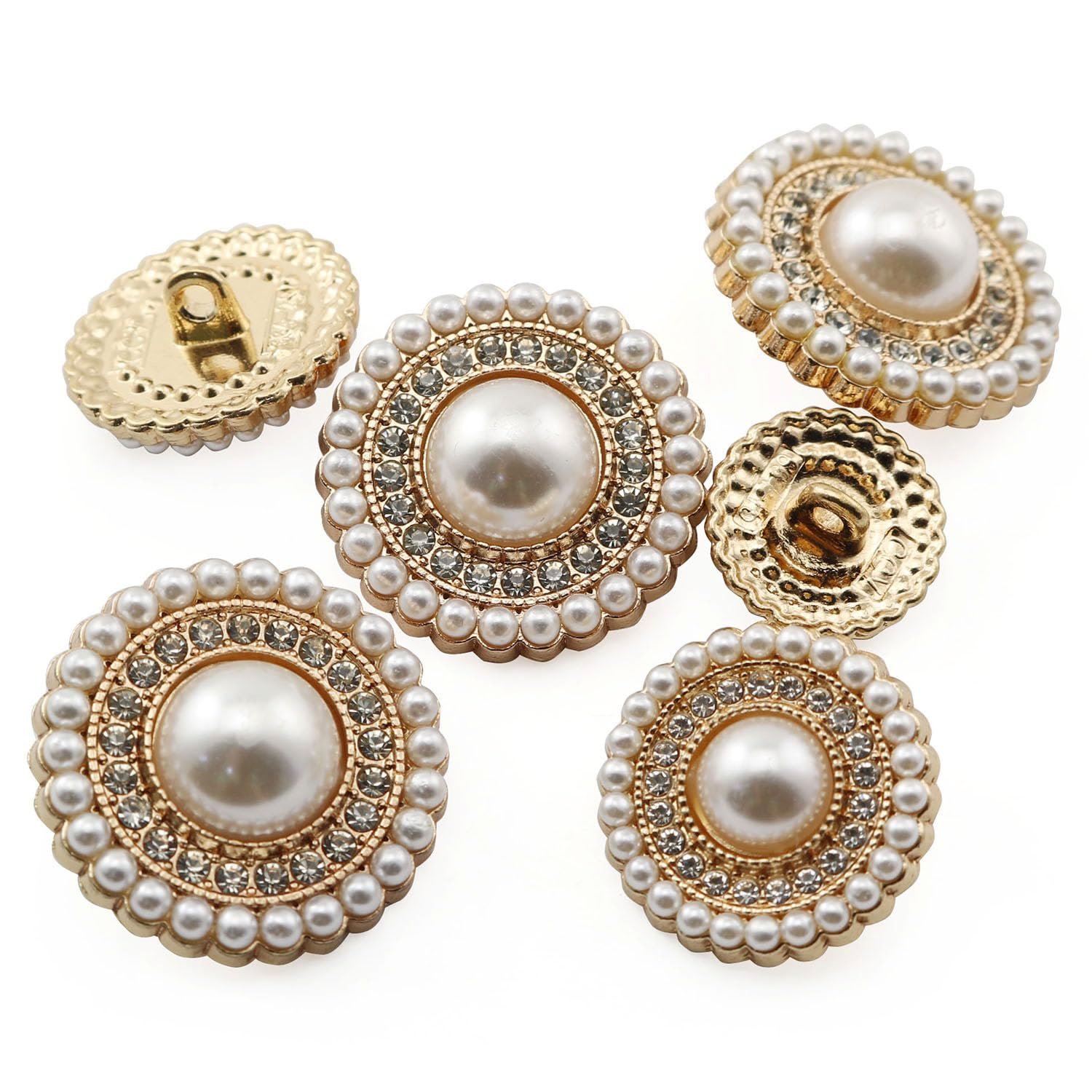
Pearl and Crystal Accent Buttons
Luxurious buttons featuring genuine mother-of-pearl and crystal accents for formal wear and special occasion garments. Available in classic white, ivory, and clear crystal with gold or silver settings. Each button is individually inspected for quality and uniformity.
Key Features:
- Genuine mother-of-pearl material
- Crystal accent details
- Gold and silver setting options
- Quality inspected individually
- Perfect for formal wear
- Elegant lustrous finish
Understanding Different Types of Buttons for Sewing Projects
Buttons serve both functional and decorative purposes in sewing, making them essential components for countless projects. Understanding the various types available helps you select the perfect buttons for your specific needs.
Flat Buttons with Holes
Flat buttons with 2 or 4 holes are the most common style for everyday garments. These buttons lie flush against fabric and work well for shirts, pants, and casual wear. The holes allow thread to pass through for secure attachment.
Shank Buttons
Shank buttons feature a loop or stem on the back instead of holes on the front. This design allows the button to sit slightly away from fabric, making them ideal for thicker materials like coats and jackets. Shank buttons also provide a more elegant, tailored appearance.
Specialty Craft Buttons
Novelty and craft buttons come in countless shapes, sizes, and materials. From wooden buttons for rustic projects to colorful plastic shapes for children’s clothing, these buttons add personality and creative flair to any sewing endeavor.
Choosing the Right Button Materials for Your Project
Button materials significantly impact both appearance and functionality of your finished project. Each material offers unique benefits and works best with specific fabric types and project requirements.
Plastic Buttons
Plastic buttons offer durability, affordability, and versatility for most sewing projects. They’re lightweight, machine washable, and available in virtually any color or style. Plastic buttons work well for everyday garments, children’s clothing, and craft projects.
Metal Buttons
Metal buttons provide a sophisticated, professional appearance perfect for blazers, coats, and formal wear. Available in finishes like brass, silver, copper, and pewter, metal buttons add weight and substance to garments. Consider the care requirements, as some metal buttons may require special washing instructions.
Natural Material Buttons
Wood, shell, horn, and other natural materials create unique, organic-looking buttons perfect for artisan and handmade projects. These buttons often feature natural variations that add character and authenticity to garments. Natural buttons pair beautifully with linen, cotton, and other natural fibers.
Button Sizing and Placement Guidelines
Proper button sizing and placement ensure your garments look professional and function correctly. Following established guidelines helps create balanced, attractive buttonhole arrangements.
Standard Button Sizes
Buttons are typically measured in millimeters or ligne (a traditional button measurement). Shirt buttons usually range from 10-15mm, while coat buttons can be 20-25mm or larger. Choose button sizes proportional to your fabric weight and garment style.
Button Spacing and Placement
Proper button spacing prevents gapping and ensures smooth closure. Generally, space buttons 2-4 inches apart, with closer spacing for fitted garments and wider spacing for looser styles. The first button should sit at the fullest part of the bust for women’s garments.
Matching Buttons to Buttonholes
Buttonhole length should equal button diameter plus 3-4mm for ease. Test your buttonhole on fabric scraps before sewing final garments. Properly sized buttonholes allow buttons to pass through smoothly without straining fabric or being too loose.
Essential Techniques for Sewing Buttons Securely
Mastering proper button attachment techniques ensures your buttons stay secure through regular wear and washing. These fundamental skills apply to both hand and machine sewing methods.
Hand Sewing Buttons
Use doubled thread about 18 inches long for hand-sewn buttons. Tie a small knot and pass through fabric from underneath. For flat buttons, create a thread shank by wrapping thread around stitches several times before securing. This allows buttons to sit properly over buttonholes.
Machine Sewing Options
Many modern sewing machines offer automatic buttonhole functions and button attachment capabilities. Use a button foot and lower feed dogs when machine-sewing buttons. Secure with several stitches in place, then move to zigzag stitch over button holes.
Reinforcement Techniques
For buttons that receive heavy use, add interfacing or small fabric backing pieces for extra strength. Stay buttons (small flat buttons on garment interior) can prevent button pull-through on delicate fabrics. Always test attachment methods on fabric scraps first.
Creative Button Applications Beyond Basic Garments
Buttons offer endless creative possibilities beyond traditional clothing applications. Explore these innovative ways to incorporate buttons into various sewing and craft projects.
Home Décor Projects
Buttons make excellent embellishments for pillows, curtains, and table linens. Create button tufting on cushions or use contrasting buttons as decorative elements on neutral fabrics. Large wooden or metal buttons work particularly well for rustic or industrial home décor themes.
Accessory and Bag Details
Add visual interest to handbags, tote bags, and accessories with strategic button placement. Buttons can serve as closures for pockets, decorative elements on straps, or focal points on flaps. Consider using vintage or unique buttons to create one-of-a-kind accessories.
Children’s Clothing and Toys
Bright, fun buttons transform plain children’s garments into playful pieces. Use animal-shaped buttons on themed outfits or colorful buttons to teach colors and counting. Always ensure buttons are securely attached and appropriately sized for safety with young children.
Button Care and Storage Solutions
Proper care and organization of your button collection ensures they remain in excellent condition for future projects. Implement these storage and maintenance strategies for long-lasting button supplies.
Cleaning and Maintenance
Most plastic and metal buttons can be wiped clean with damp cloth. Natural material buttons may require special care – avoid soaking wooden buttons and test cleaning methods on inconspicuous areas first. Store buttons in dry environments to prevent deterioration.
Organization Systems
Sort buttons by size, color, material, or project type for easy selection. Clear containers, divided boxes, or button cards help keep collections organized and visible. Label storage containers clearly to quickly locate specific button types when needed.
Button Collection Building
Build your button stash gradually by purchasing coordinating sets and versatile neutral colors first. Save buttons from discarded garments and watch for sales on specialty buttons for craft projects. A well-curated button collection provides options for countless future sewing endeavors.
Frequently Asked Questions
Transform Your Sewing Projects with the Perfect Buttons
Buttons are far more than simple closures – they’re design elements that can completely transform the look and functionality of your sewing projects. Whether you’re creating professional garments, fun children’s clothing, or unique craft projects, choosing the right buttons makes all the difference in achieving polished, beautiful results.
The key to successful button selection lies in understanding the relationship between button style, material, and your specific project needs. From classic 4-hole buttons for everyday garments to elegant shank buttons for formal wear, each type serves distinct purposes and offers unique aesthetic benefits. Taking time to consider fabric weight, garment style, and intended use ensures your buttons will both look great and perform well over time.
Building a well-curated button collection opens up endless creative possibilities for current and future projects. Start with versatile basics in neutral colors and standard sizes, then gradually add specialty buttons that reflect your personal style and project preferences. With proper care and organization, a good button collection becomes an invaluable resource for any sewing enthusiast.
Remember that the small details like buttons often make the biggest impact on finished projects. Invest in quality buttons that complement your fabrics and construction techniques, and don’t be afraid to experiment with unexpected combinations that showcase your creativity and personal style.