
Textile Spray: Complete Guide to Fabric Color Spray Dye
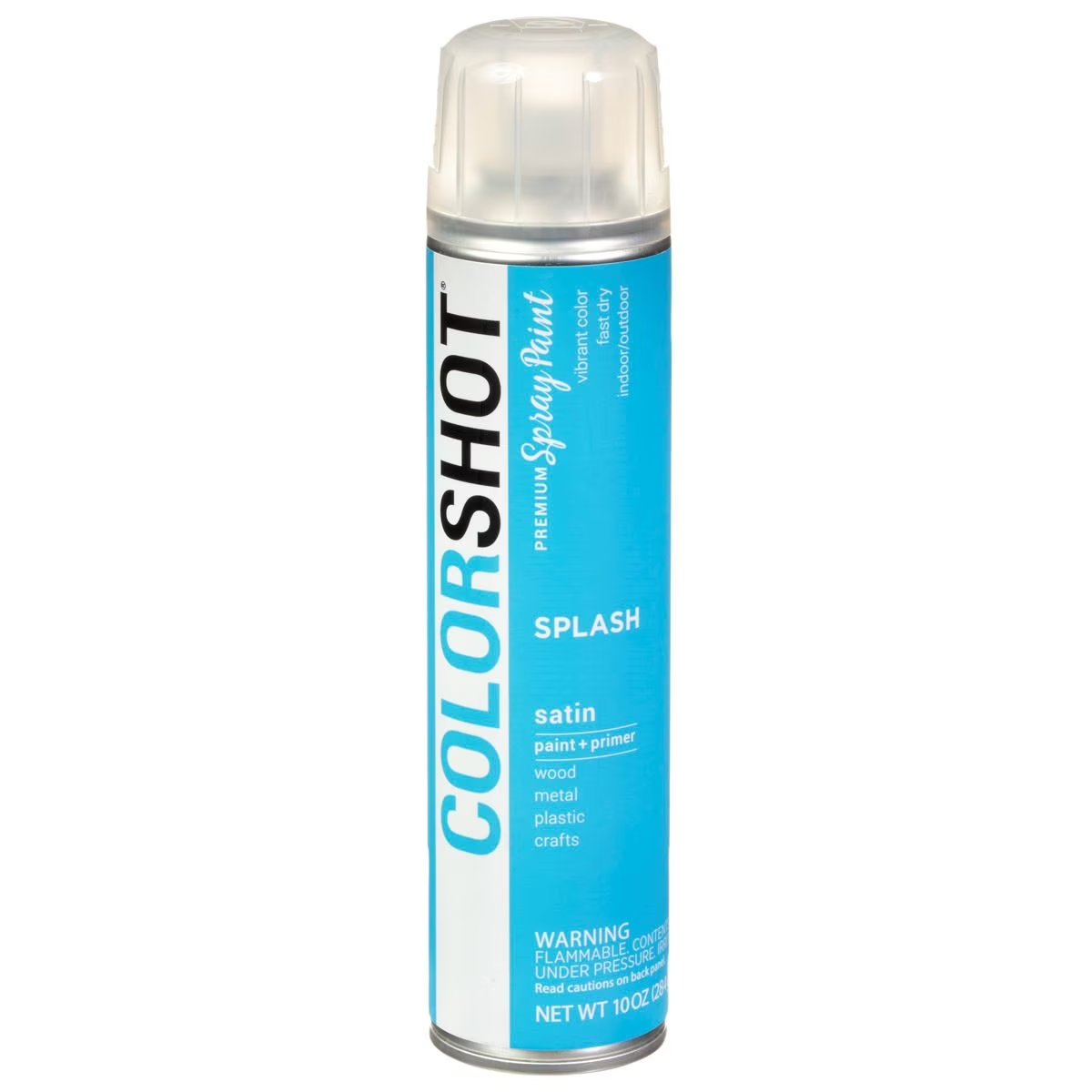
Premium Multi-Surface Textile Spray
Professional-grade textile spray designed for natural and synthetic fabrics. Delivers vibrant, fade-resistant colors with excellent coverage and smooth application for both small details and large fabric areas.
Key Features:
- Permanent, fade-resistant formula
- Works on cotton, polyester, silk, and blends
- No-drip aerosol application
- Heat-set for durability
- Available in 24 vibrant colors
- Quick-drying formula
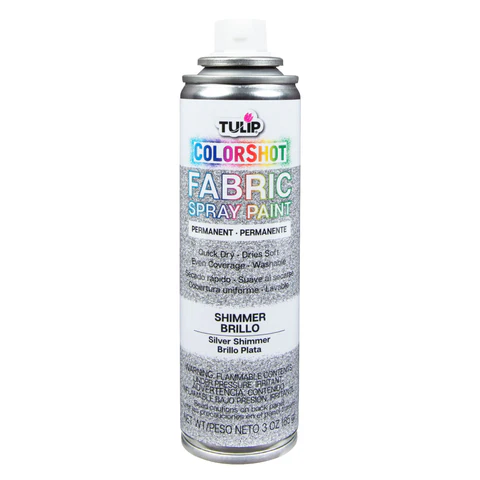
Metallic Fabric Spray Paint
Luxurious metallic textile spray that adds shimmer and elegance to fabric projects. Perfect for special occasion items, home décor, and craft projects requiring metallic accents with professional finish quality.
Key Features:
- Rich metallic pigments
- Flexible finish won’t crack
- Compatible with most fabric types
- Available in gold, silver, copper, and bronze
- UV-resistant formula
- Easy spray application
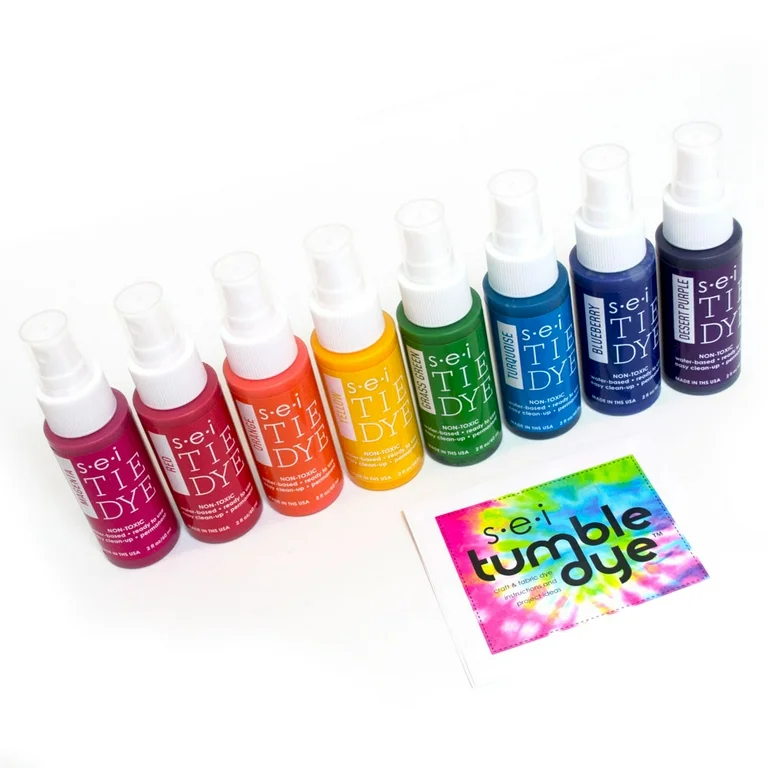
Tie-Dye Textile Spray Kit
Complete tie-dye textile spray system with multiple colors and application tools. Ideal for creating gradient effects, ombré patterns, and custom designs on clothing, accessories, and home textiles.
Key Features:
- 6-color spray set included
- Stencils and masking tape included
- Washable and colorfast
- Non-toxic, safe formula
- Perfect for tie-dye techniques
- Detailed instruction guide
What is Textile Spray and How Does It Work
Textile spray is a specialized fabric coloring solution delivered through an aerosol system, allowing for precise and even color application on various fabric types. Unlike traditional liquid dyes that require soaking or brushing, textile spray provides controlled coverage and enables detailed design work.
The spray format makes it possible to create gradient effects, stenciled patterns, and multi-color designs that would be difficult to achieve with conventional fabric dyes. Most textile spray formulas contain pigments specifically engineered to bond with fabric fibers, ensuring long-lasting color that withstands washing and wear.
Benefits of Using Textile Spray
Textile spray offers several advantages over traditional fabric dyeing methods. The aerosol delivery system allows for targeted application, reducing waste and providing better control over color placement.
The quick-drying nature of most textile spray products means faster project completion times. You can apply multiple colors or layers without extended waiting periods between applications, making it ideal for time-sensitive projects or when working with children.
Choosing the Right Textile Spray for Your Project
Selecting the appropriate textile spray depends on your fabric type, desired finish, and project requirements. Natural fibers like cotton and linen typically accept textile spray more readily than synthetic materials, though many modern formulas work well on both.
Consider the final use of your colored fabric when choosing your textile spray. Items that will be frequently washed require permanent, colorfast formulas, while decorative pieces may accommodate less durable but more vibrant options.
Fabric Compatibility
Different textile spray formulations work better with specific fabric types. Cotton, linen, and other natural fibers generally provide the best color absorption and longevity when using standard textile spray products.
Synthetic fabrics like polyester and nylon may require specialized textile spray formulas designed for synthetic materials. Always test your chosen textile spray on a hidden area of your fabric before proceeding with your full project.
Application Techniques for Professional Results
Proper application technique is crucial for achieving professional-looking results with textile spray. Begin by preparing your work area with adequate ventilation and protective covering for surrounding surfaces.
Hold the textile spray canister 6-8 inches from your fabric surface and apply in smooth, even strokes. Overlapping passes help ensure uniform coverage, but work quickly to maintain wet edges and prevent uneven color buildup.
Creating Patterns and Effects
Textile spray excels at creating unique patterns and special effects. Use stencils, tape, or cardboard masks to create crisp geometric designs or blocked color areas.
For gradient effects, start with light coverage and gradually build color intensity. Work quickly while the textile spray is still slightly wet to blend colors seamlessly. Multiple light coats generally produce better results than single heavy applications.
Heat Setting Your Textile Spray
Most textile spray products require heat setting to achieve maximum color permanence. Follow the manufacturer’s instructions carefully, as different formulas may have varying temperature and time requirements.
Use a pressing cloth when heat setting to protect both your fabric and iron. Allow treated fabrics to cure for the recommended time before washing to ensure the textile spray has fully bonded with the fibers.
Creative Project Ideas Using Textile Spray
Textile spray opens up countless creative possibilities for fabric customization. Transform plain t-shirts into unique wearable art by combining stencils with gradient techniques using multiple colors of textile spray.
Home décor projects benefit greatly from textile spray applications. Update throw pillows, curtains, and table linens with custom colors that perfectly match your interior design scheme.
Fashion and Accessories
Create custom fashion pieces using textile spray to add color accents or completely transform garments. Denim jackets, canvas shoes, and fabric bags are excellent candidates for textile spray makeovers.
Accessories like scarves, headbands, and fabric jewelry can be enhanced with metallic or colored textile spray for unique, personalized pieces that reflect your individual style.
Home Décor Applications
Textile spray proves invaluable for home decorating projects where exact color matching is important. Update existing fabric items to coordinate with new color schemes without the expense of replacement.
Large items like curtains or upholstery fabric can be refreshed with textile spray, though these projects require careful planning and adequate workspace for proper application.
Troubleshooting Common Textile Spray Issues
Even experienced crafters occasionally encounter challenges when using textile spray. Uneven color application often results from inconsistent spraying distance or overlapping wet and dry areas during application.
Color bleeding or poor adhesion usually indicates inadequate surface preparation or incompatible fabric types. Always clean fabrics thoroughly before applying textile spray, and test compatibility on sample areas.
Fixing Application Problems
If you notice streaks or uneven coverage while using textile spray, stop immediately and assess the situation. Light streaks can often be corrected by applying additional thin coats, while heavy drips may require careful blotting before the product sets.
Color intensity issues can usually be resolved by adjusting application technique. Too light coverage requires additional coats, while overly intense color may need dilution with complementary lighter shades of textile spray.
Maintenance and Storage
Proper storage extends the life of your textile spray products. Store canisters in cool, dry locations away from direct sunlight and extreme temperatures.
Clean spray nozzles after each use by inverting the canister and spraying briefly to clear any residual product. This prevents clogging and ensures smooth operation for future projects.
Safety Considerations and Best Practices
Working with textile spray requires attention to safety protocols and environmental considerations. Always use textile spray in well-ventilated areas to avoid inhaling fumes, and wear appropriate protective equipment including gloves and masks when necessary.
Protect work surfaces and surrounding areas from overspray, as textile spray can permanently stain unintended surfaces. Use drop cloths, cardboard shields, or designated spray booths for larger projects.
Environmental and Health Safety
Many modern textile spray formulations are designed to be more environmentally friendly than earlier versions, but proper disposal of empty containers remains important. Follow local regulations for aerosol container disposal.
Avoid skin contact with wet textile spray, and wash hands thoroughly after handling. If accidental skin contact occurs, rinse immediately with soap and water.
Workspace Setup
Create a dedicated workspace for textile spray projects with adequate ventilation and easy cleanup capabilities. Outdoor spaces often work well for larger projects, provided weather conditions are appropriate.
Keep textile spray containers at room temperature before use for optimal performance. Cold containers may not spray evenly, while overheated canisters can be dangerous to use.
Frequently Asked Questions
Transform Your Fabrics with Professional Textile Spray Results
Textile spray offers an accessible and versatile method for adding color and personality to fabric projects of all sizes. Whether you’re updating home décor, creating custom fashion pieces, or exploring artistic fabric techniques, the right textile spray can help you achieve professional-looking results.
Success with textile spray comes from understanding your materials, choosing appropriate products, and following proper application techniques. Take time to test your chosen textile spray on sample fabrics and practice your technique before working on final projects.
The creative possibilities with textile spray are virtually limitless. From simple color refreshing to complex multi-color designs, this versatile medium allows you to transform ordinary fabrics into unique, personalized pieces that reflect your individual style and creativity.
With proper preparation, quality products, and attention to safety guidelines, textile spray can become an invaluable tool in your crafting arsenal. Start with simple projects to build confidence, then gradually explore more advanced techniques as your skills develop.