
E6000 Fabric Fuse Industrial Strength Adhesive: Complete Guide for Fabric Projects
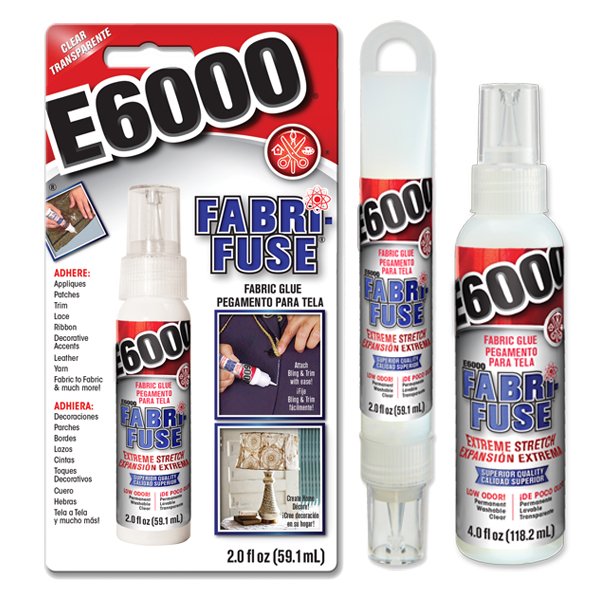
E6000 Fabric Fuse Clear Adhesive 2 fl oz
Professional-grade clear fabric adhesive that creates permanent, flexible bonds on all fabric types. Washable and dry-cleanable once cured, making it perfect for clothing repairs, hemming, and decorative applications.
Key Features:
- 2 fl oz squeeze tube for precise application
- Clear formula dries transparent
- Washable and dry-cleanable after 72 hours
- Flexible bond moves with fabric
- Works on all fabric types
- Industrial strength permanent hold
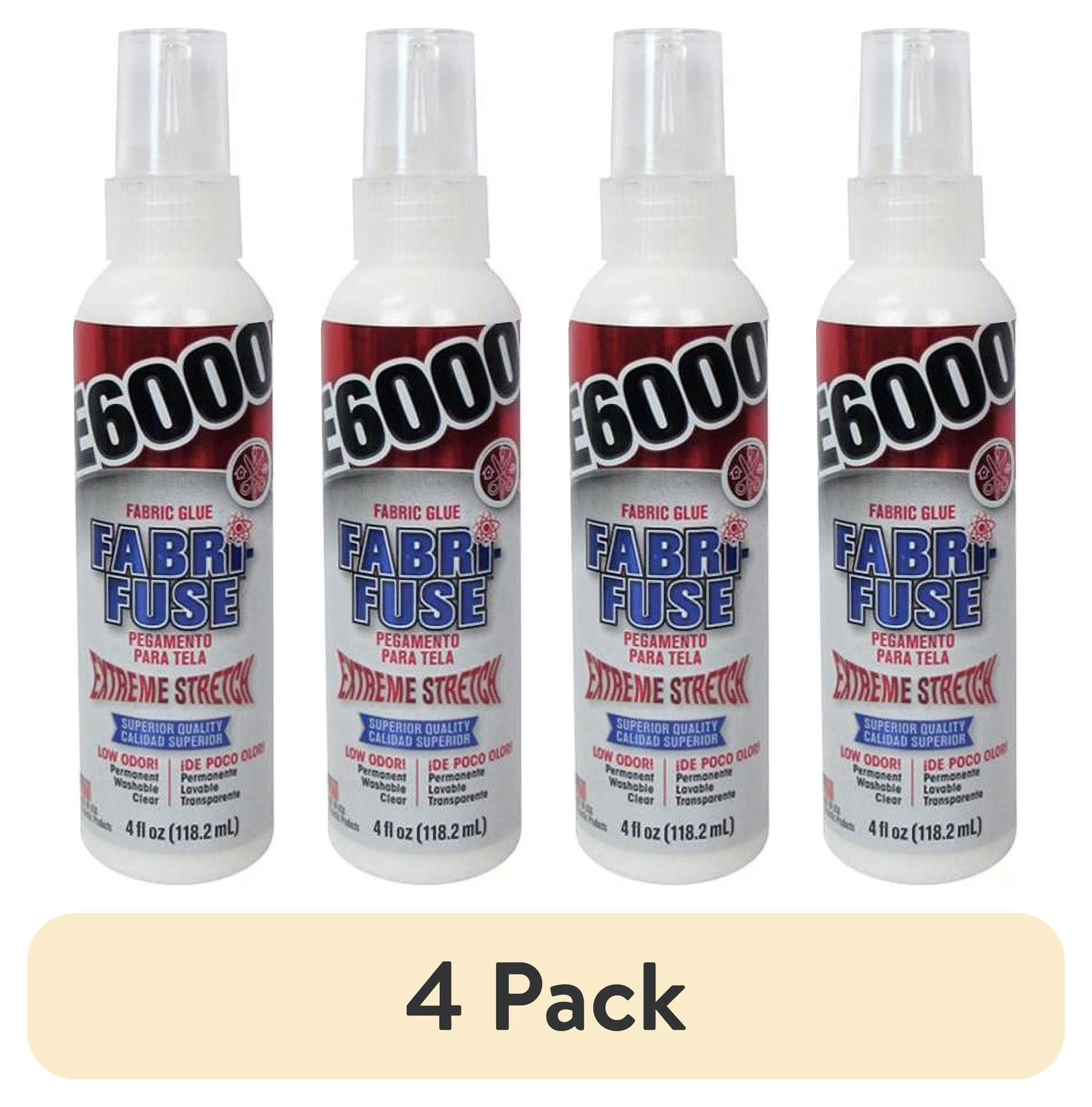
E6000 Fabric Fuse Multi-Pack 4 Tubes
Value pack containing four 1 fl oz tubes of E6000 fabric adhesive. Ideal for crafters and sewers who frequently work on multiple projects or want backup supplies for ongoing fabric work.
Key Features:
- Four 1 fl oz tubes included
- Compact size perfect for travel
- Extended shelf life when unopened
- Precision applicator tips
- Cost-effective bulk option
- Same industrial-strength formula
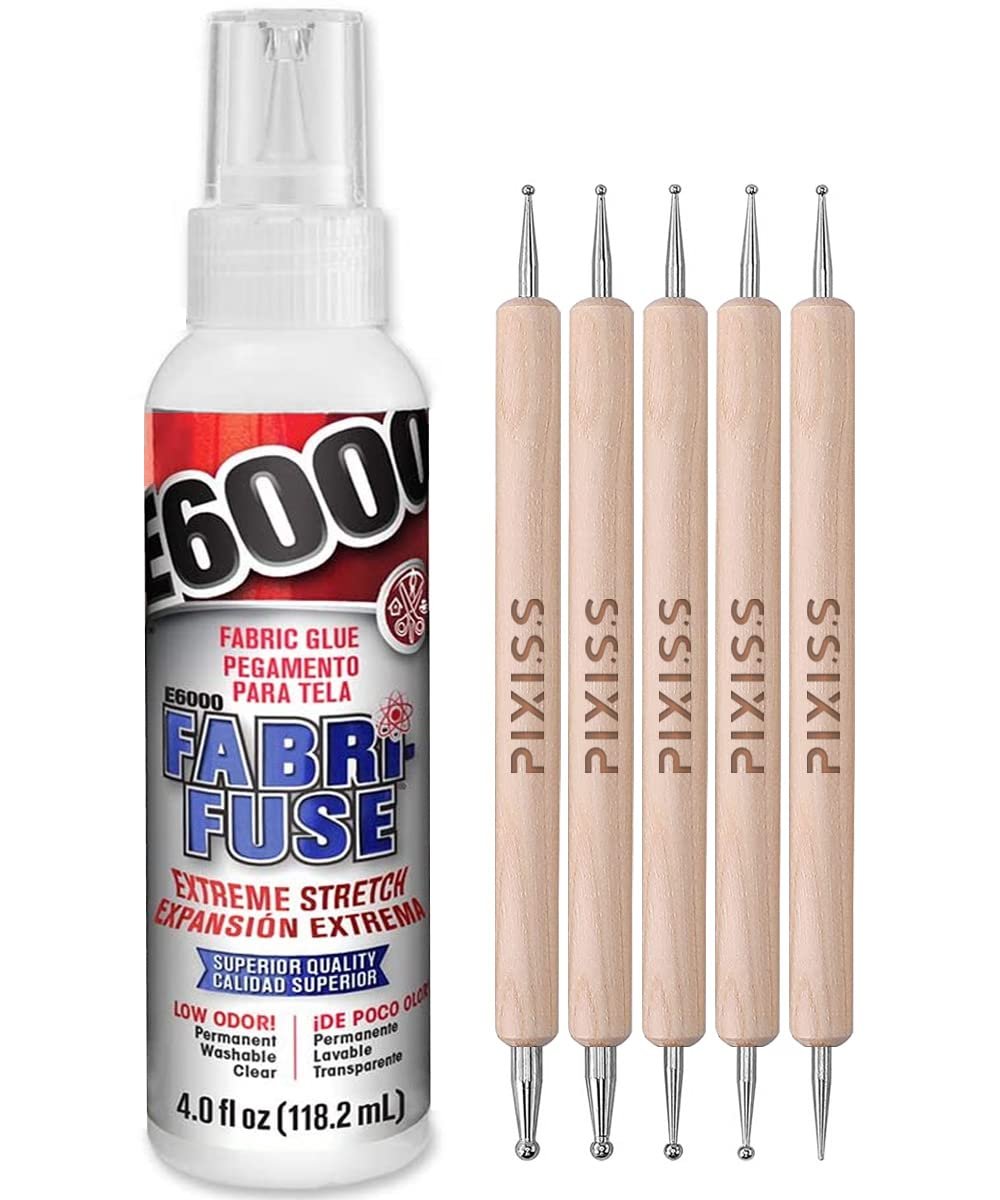
E6000 Fabric Fuse Precision Tip Applicator
Specialized applicator designed specifically for detailed fabric work and intricate applications. Features an ultra-fine tip for pinpoint accuracy when working with delicate fabrics or small decorative elements.
Key Features:
- Ultra-fine precision tip
- Designed for detailed work
- Compatible with all E6000 tubes
- Reduces waste and mess
- Perfect for beading and trim work
- Easy-clean stainless steel construction
What Makes E6000 Fabric Fuse Superior to Other Adhesives
E6000 has revolutionized fabric bonding with its unique formulation that combines industrial strength with fabric-friendly flexibility. Unlike traditional fabric glues that can crack or peel over time, E6000 maintains its bond integrity through countless wash cycles and wear.
The secret behind E6000’s effectiveness lies in its advanced polymer chemistry. This adhesive creates molecular bonds with fabric fibers, essentially becoming part of the material rather than sitting on top of it. This integration ensures that the bond remains flexible and durable, moving naturally with the fabric’s stretch and movement.
Chemical Composition and Bonding Science
E6000’s proprietary formula contains specialized polymers that cure through solvent evaporation and atmospheric moisture. This dual-curing process creates an incredibly strong yet flexible bond that can withstand extreme temperatures, moisture, and mechanical stress.
The adhesive works at the molecular level, penetrating fabric fibers and creating cross-linked polymer chains that distribute stress evenly across the bond area. This scientific approach to fabric bonding ensures that E6000 outperforms conventional adhesives in both strength and longevity.
Flexibility and Movement Properties
One of the most impressive features of E6000 is its ability to maintain flexibility after curing. The cured adhesive can stretch up to 500% of its original size without losing bond strength, making it perfect for active wear, stretch fabrics, and garments that require frequent movement.
This flexibility is crucial for fabric applications because it prevents the adhesive from becoming a weak point in the garment. Traditional rigid adhesives often fail at the bond line when fabric stretches, but E6000 moves with the fabric, maintaining its grip throughout the material’s entire range of motion.
E6000 Applications for Different Fabric Types and Projects
E6000 demonstrates remarkable versatility across all fabric types, from delicate silks to heavy canvas materials. Its ability to bond different fabric weights and textures makes it an invaluable tool for both professional seamstresses and hobbyist crafters.
For lightweight fabrics like chiffon, organza, and silk, E6000 provides secure bonding without adding bulk or stiffness. The clear formula ensures that the adhesive remains invisible, even on sheer materials where traditional stitching might be too visible or damaging.
Heavy-Duty Fabric Applications
Denim, canvas, leather, and upholstery fabrics benefit tremendously from E6000’s industrial strength. These materials often require repairs that must withstand significant stress and frequent use. E6000 creates bonds that are often stronger than the original fabric weave.
Outdoor fabrics and technical textiles, such as those used in camping gear, backpacks, and outdoor clothing, require adhesives that can withstand UV exposure, temperature fluctuations, and moisture. E6000 excels in these applications, maintaining its bond integrity even under harsh environmental conditions.
Decorative and Craft Applications
E6000 opens up endless possibilities for fabric decoration and embellishment. Beading, sequin work, appliqué, and trim application become much more accessible with this versatile adhesive. Unlike sewing, which can distort delicate fabrics, E6000 allows for precise placement of decorative elements.
The adhesive works exceptionally well for attaching non-fabric elements to textiles, such as rhinestones, metal studs, patches, and other decorative hardware. This versatility makes it a favorite among fashion designers, costume makers, and craft enthusiasts who need reliable bonding for mixed-media projects.
Step-by-Step Application Techniques for Professional Results
Proper application technique is crucial for achieving the best results with E6000. The adhesive’s performance depends heavily on surface preparation, application method, and curing conditions. Following these professional techniques ensures maximum bond strength and longevity.
Begin by thoroughly cleaning both surfaces to be bonded. Remove any dirt, oils, fabric softener residue, or sizing chemicals that might interfere with adhesion. For best results, clean fabric surfaces with isopropyl alcohol and allow them to dry completely before applying E6000.
Surface Preparation and Cleaning
Fabric preparation goes beyond simple cleaning. Test the adhesive on a hidden area first to ensure compatibility and check for any discoloration or adverse reactions. Some treated fabrics, particularly those with stain-resistant coatings, may require special preparation for optimal E6000 adhesion.
For synthetic fabrics, light abrasion with fine sandpaper can improve adhesion by creating a slightly roughened surface for the E6000 to grip. This technique is particularly useful for slick synthetic materials like polyester or nylon that naturally resist adhesion.
Application Methods and Techniques
Apply E6000 in thin, even layers using steady pressure on the tube. The adhesive should wet out across the entire bonding surface without pooling or creating thick spots. Too much adhesive can actually weaken the bond and extend curing time significantly.
For large surface areas, work in sections to ensure proper adhesive placement before the E6000 begins to skin over. The working time varies with temperature and humidity, but typically ranges from 3-5 minutes for repositioning and final placement adjustments.
Curing Process and Timeline
E6000 requires 24-48 hours for initial handling strength and 72 hours for full cure. During this time, maintain steady pressure using clamps, weights, or pins to ensure intimate contact between bonding surfaces. Temperature and humidity significantly affect curing time, with warmer, more humid conditions accelerating the process.
Care Instructions and Washing Guidelines for E6000 Bonded Fabrics
One of E6000’s most valuable features is its ability to withstand normal laundry cycles after proper curing. However, following specific care guidelines ensures the longest possible life for adhesive bonds and prevents premature failure.
Wait a full 72 hours after application before the first washing. This complete curing time allows the E6000 to reach maximum strength and chemical resistance. Rushing this process by washing too early can compromise the bond permanently.
Washing Machine Settings and Temperatures
Use gentle cycle settings for the first few washes after bonding with E6000. While the cured adhesive can handle normal wash cycles, gentle agitation reduces stress on new bonds and allows them to fully integrate with the fabric structure.
Water temperature up to 140°F (60°C) is safe for E6000 bonds, but avoid extremely hot water during the first few wash cycles. Hot water can cause slight softening of the adhesive, which, combined with mechanical agitation, might stress new bonds before they fully mature.
Detergent Selection and Chemical Compatibility
Most standard laundry detergents are compatible with cured E6000, but avoid products containing strong solvents or bleaching agents that might affect the adhesive. Enzyme-based detergents are particularly safe and effective for E6000-bonded fabrics.
Fabric softeners generally don’t affect cured E6000 bonds, but they can leave residues that might interfere with future adhesive applications on the same garment. Consider this if you plan additional repairs or modifications.
Dry Cleaning Considerations
E6000 withstands most dry cleaning solvents after full cure, making it suitable for garments that require professional cleaning. However, inform your dry cleaner about any adhesive repairs to ensure they use appropriate handling and cleaning methods.
Troubleshooting Common E6000 Issues and Solutions
Even with proper application techniques, users occasionally encounter issues with E6000 performance. Understanding common problems and their solutions helps ensure successful outcomes for every project and builds confidence in using this powerful adhesive.
Bond failure typically results from inadequate surface preparation, insufficient curing time, or environmental factors during application. Identifying the root cause helps prevent repeat failures and improves future application success rates.
Adhesion Problems and Solutions
Poor initial adhesion often stems from contaminated surfaces or incompatible materials. Some fabric finishes, particularly water-repellent treatments, create barriers that prevent E6000 from achieving proper contact with fabric fibers. Light abrasion or solvent cleaning can often resolve these issues.
If E6000 beads up on the fabric surface rather than spreading evenly, the material likely has a surface treatment that resists adhesion. Try cleaning with denatured alcohol or lightly sanding the area to improve surface energy and adhesive wetting.
Appearance and Cosmetic Issues
Clouding or discoloration of the adhesive bond can occur when E6000 is applied too thickly or cures under high humidity conditions. While this doesn’t affect bond strength, it may be cosmetically unacceptable for visible applications. Thin, even application layers help prevent this issue.
String formation during application indicates that the E6000 tube temperature is too cold or the adhesive has begun to cure. Warming the tube slightly and working more quickly can resolve this problem.
Storage and Shelf Life Management
Proper storage extends E6000’s shelf life significantly. Keep tubes sealed tightly and store them in cool, dry conditions away from direct sunlight. Partially used tubes should have excess air squeezed out before sealing to minimize curing within the container.
If the adhesive begins to thicken in storage, it’s beginning to cure and should be used quickly or discarded. Thinning with solvents compromises E6000’s performance and isn’t recommended for critical applications.
Safety Guidelines and Best Practices for E6000 Use
Safety should always be the top priority when working with E6000 or any industrial-strength adhesive. Proper ventilation, skin protection, and careful handling ensure safe use while achieving professional results in fabric projects.
E6000 contains solvents that require adequate ventilation during application and initial curing. Work in well-ventilated areas or use fans to ensure continuous air movement. Avoid working in confined spaces or areas with poor air circulation.
Personal Protective Equipment
Wear nitrile or vinyl gloves when handling E6000 to prevent skin contact and avoid contaminating work surfaces with oils from your hands. These gloves also protect against accidental adhesive bonding to skin, which can be difficult and potentially harmful to remove.
Safety glasses protect your eyes from accidental splashes or fumes, particularly when working with precision applicators under pressure. Even small amounts of E6000 can cause serious eye irritation.
Workspace Setup and Organization
Prepare your workspace before opening E6000 tubes. Have all materials, tools, and cleaning supplies within easy reach to minimize working time and reduce solvent exposure. Cover work surfaces with disposable materials to simplify cleanup.
Keep acetone or isopropyl alcohol nearby for immediate cleanup of spills or unwanted adhesive placement. These solvents can remove uncured E6000 but become less effective as the adhesive begins to cure.
First Aid and Emergency Procedures
If E6000 contacts skin, remove immediately with acetone or rubbing alcohol, followed by soap and water. Don’t attempt to pull or peel cured adhesive from skin, as this can cause injury. Seek medical attention for significant skin contact or if irritation develops.
For eye contact, flush immediately with clean water for at least 15 minutes and seek medical attention promptly. Never use solvents near the eyes, even for adhesive removal.
Frequently Asked Questions
Transform Your Fabric Projects with E6000 Industrial Strength
E6000 Fabric Fuse represents a breakthrough in textile adhesive technology, offering crafters and professionals an unmatched combination of strength, flexibility, and durability. Whether you’re repairing a favorite garment, creating custom decorations, or working on professional textile projects, E6000 delivers results that exceed traditional sewing and gluing methods.
The versatility of E6000 makes it an essential addition to any crafting toolkit. From delicate silk repairs to heavy-duty outdoor gear modifications, this industrial-strength adhesive adapts to your specific needs while maintaining consistent performance. Its ability to withstand washing, dry cleaning, and environmental stresses ensures that your fabric projects maintain their integrity for years to come.
Success with E6000 comes from understanding its unique properties and following proper application techniques. Take time to prepare surfaces correctly, allow adequate curing time, and follow safety guidelines for professional results every time. The investment in quality adhesive and proper technique pays dividends in the longevity and appearance of your finished projects.
Explore the full potential of E6000 in your next fabric project and experience the confidence that comes from using professional-grade materials. With proper application and care, E6000 transforms challenging fabric repairs and modifications into achievable, lasting solutions that stand up to real-world use and abuse.