
Adhesive Sheets: Double-Sided Fabric Tape for Professional Sewing and Crafting
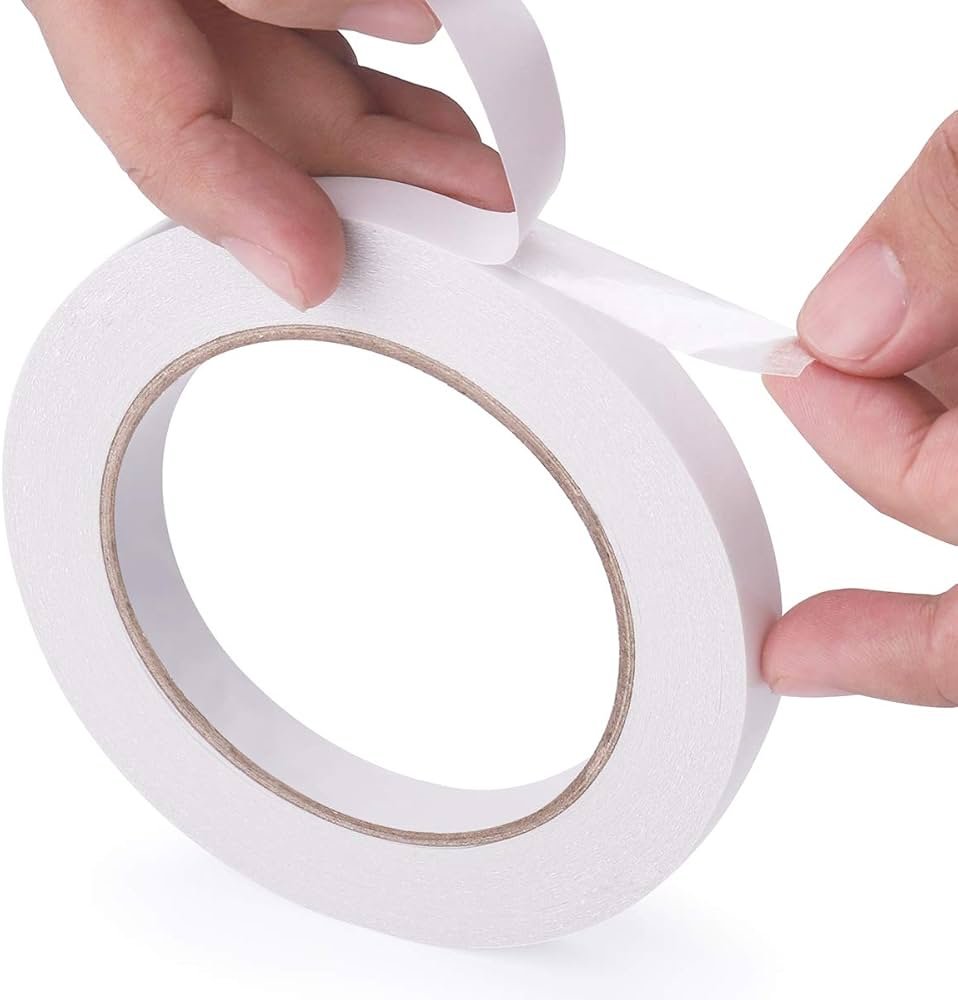
Wonder Tape Double-Sided Adhesive Sheets
Professional-grade adhesive sheets designed for fabric applications, offering permanent bonding without sewing. Perfect for hemming, appliqué work, and fabric lamination projects requiring clean, invisible seams.
Key Features:
- Ultra-thin 0.25mm thickness
- Permanent fabric bonding
- Machine washable and dry cleanable
- Crystal clear transparency
- Easy release paper backing
- Acid-free composition
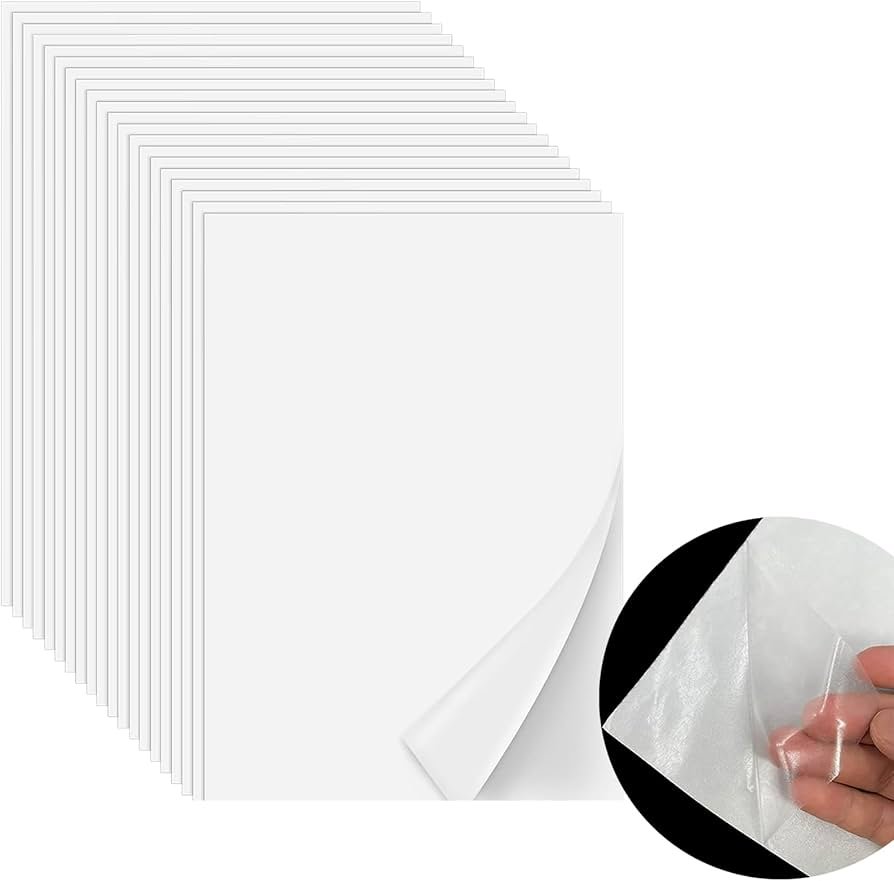
Temporary Fabric Adhesive Sheets
Repositionable adhesive sheets ideal for quilting, pattern placement, and temporary fabric positioning. Provides secure hold during construction while allowing easy removal without residue or fabric damage.
Key Features:
- Removable low-tack adhesive
- Repositionable up to 3 times
- No residue removal
- Compatible with all fabric weights
- Heat-resistant to 350°F
- 10-inch wide sheets
Heavy-Duty Fabric Adhesive Sheets
Extra-strong adhesive sheets engineered for demanding applications including leather, vinyl, canvas, and outdoor fabrics. Delivers industrial-strength bonding for upholstery, bag making, and heavy-duty repairs.
Key Features:
- Maximum strength bonding
- Waterproof and weatherproof
- Suitable for leather and vinyl
- UV-resistant formula
- Flexible after curing
- 12-inch width availability
- Cold weather performance
- Professional upholstery grade
What Are Adhesive Sheets and How Do They Work
Adhesive sheets represent a revolutionary approach to fabric bonding, eliminating the need for traditional sewing in many applications. These double-sided fabric tapes consist of a thin adhesive layer sandwiched between removable backing papers, creating an instant bonding solution when activated.
The technology behind adhesive sheets relies on pressure-sensitive adhesives that create molecular bonds with fabric fibers upon contact. When you remove the protective backing and press fabrics together, the adhesive penetrates the textile weave to form either temporary or permanent connections depending on the specific product formulation.
Understanding Adhesive Sheet Construction
Most adhesive sheets feature a three-layer construction: bottom release paper, adhesive core, and top release paper. The adhesive core varies in thickness from ultra-thin 0.25mm options for delicate work to heavy-duty formulations exceeding 1mm for demanding applications.
The release papers protect the adhesive during storage and allow for precise application control. Premium adhesive sheets use silicone-treated release papers that remove cleanly without tearing or leaving residue on the adhesive surface.
Types of Adhesive Sheets for Different Applications
Permanent adhesive sheets create irreversible bonds ideal for hemming, seam reinforcement, and appliqué attachment. These formulations cure over 24-48 hours to achieve maximum strength and typically withstand machine washing, dry cleaning, and normal wear without failure.
Temporary adhesive sheets offer repositionable bonding perfect for quilting, pattern placement, and construction basting. The low-tack formulation allows multiple repositioning cycles while maintaining adequate hold strength during project assembly.
Specialty Adhesive Sheet Formulations
Heat-activated adhesive sheets require iron application to achieve full bonding strength, making them ideal for professional garment construction and alterations. These products remain repositionable until heat activation triggers the permanent curing process.
Waterproof adhesive sheets feature marine-grade formulations suitable for outdoor gear, swimwear, and technical textiles. The specialized chemistry resists moisture, UV radiation, and temperature extremes while maintaining flexible bonds.
Professional Applications for Adhesive Sheets
Garment construction benefits significantly from strategic adhesive sheet applications, particularly for invisible hems, pocket placement, and collar attachment. Professional seamstresses use adhesive sheets to eliminate hand-basting while ensuring precise component positioning during final assembly.
Quilting projects rely heavily on temporary adhesive sheets for layer stabilization and pattern registration. The repositionable nature allows quilters to adjust fabric placement multiple times before committing to permanent stitching, reducing waste and improving accuracy.
Home Décor and Upholstery Uses
Upholstery professionals depend on heavy-duty adhesive sheets for fabric-to-foam bonding, trim attachment, and seam reinforcement in high-stress areas. The instant bonding capability accelerates production timelines while providing reliable long-term performance.
Window treatment fabrication utilizes adhesive sheets for lining attachment, pleat formation, and edge finishing. The clean application process eliminates visible stitching lines that can detract from the finished appearance of custom draperies and valances.
Application Techniques and Best Practices
Surface preparation determines adhesive sheet performance more than any other factor. Clean fabric surfaces free from sizing, oils, and lint ensure optimal adhesive contact and bond strength. Pre-washing fabrics removes manufacturing residues that can interfere with adhesion.
Application pressure significantly impacts bond quality, requiring firm, even pressure across the entire adhesive area. Professional installers use brayers or bone folders to eliminate air bubbles and ensure complete adhesive contact with textile fibers.
Temperature and Humidity Considerations
Optimal application conditions range from 65-75°F with relative humidity below 50%. High humidity can cause premature adhesive activation, while cold temperatures may prevent proper adhesive flow and penetration into fabric weaves.
Curing time varies by adhesive sheet type and environmental conditions, typically ranging from immediate tack for temporary products to 48-hour full cure cycles for permanent formulations. Avoid disturbing bonds during the critical first 24 hours after application.
Troubleshooting Common Adhesive Sheet Issues
Bond failure typically results from inadequate surface preparation, insufficient application pressure, or environmental contamination. Re-cleaning surfaces and reapplying with increased pressure often resolves initial bonding problems with temporary adhesive sheets.
Air bubble formation occurs when application pressure is insufficient or uneven across the adhesive area. Small bubbles often work themselves out over 24-48 hours, while larger bubbles may require lifting and reapplying the affected area.
Removal and Repositioning Challenges
Stubborn adhesive residue on fabrics usually responds to gentle heating with a hair dryer followed by careful scraping with a plastic tool. Avoid solvents that may damage or discolor delicate fabrics during residue removal attempts.
Difficult repositioning with temporary adhesive sheets often indicates the product has exceeded its repositioning limit or been contaminated with lint or oils. Fresh adhesive sheets typically resolve repositioning difficulties in ongoing projects.
Maintenance and Storage Guidelines
Proper storage extends adhesive sheet shelf life significantly, requiring cool, dry conditions away from direct sunlight. Ideal storage temperatures range from 60-70°F with consistent humidity levels to prevent adhesive degradation or premature activation.
Sealed packaging prevents contamination and moisture absorption that can compromise adhesive performance. Once opened, reseal packages immediately and use products within the manufacturer’s recommended timeframe for optimal results.
Care Instructions for Bonded Fabrics
Fabrics bonded with permanent adhesive sheets generally tolerate normal washing and drying cycles without bond failure. However, avoid excessive heat, bleach, or fabric softeners that may compromise adhesive chemistry over time.
Dry cleaning compatibility varies by adhesive sheet formulation, with some products specifically engineered for commercial dry cleaning processes. Always verify dry cleaning compatibility before committing to permanent installations in garments requiring professional care.
Frequently Asked Questions
Transform Your Projects with Professional Adhesive Sheets
Adhesive sheets have revolutionized fabric bonding by providing reliable alternatives to traditional sewing methods for countless applications. From professional garment construction to home crafting projects, these versatile double-sided tapes offer precision, speed, and durability that complement traditional needlework techniques perfectly.
The key to success with adhesive sheets lies in selecting the appropriate product for your specific application and following proper preparation and application techniques. Whether you need temporary positioning for quilting projects, permanent hemming for garments, or heavy-duty bonding for upholstery work, the right adhesive sheet formulation can dramatically improve your results while reducing construction time.
Investment in quality adhesive sheets pays dividends through improved project outcomes, reduced waste from repositioning errors, and enhanced efficiency in both professional and hobbyist settings. As textile technology continues advancing, adhesive sheets will undoubtedly play an increasingly important role in modern fabric arts and construction techniques.
Explore the full range of adhesive sheet options to discover how these innovative products can elevate your next sewing or crafting project. With proper selection and application, adhesive sheets provide the reliability and performance that discerning crafters and professionals demand for their most important work.