
No-Sew Hem Tape: Complete Guide to Fusion Tape for Perfect Hems
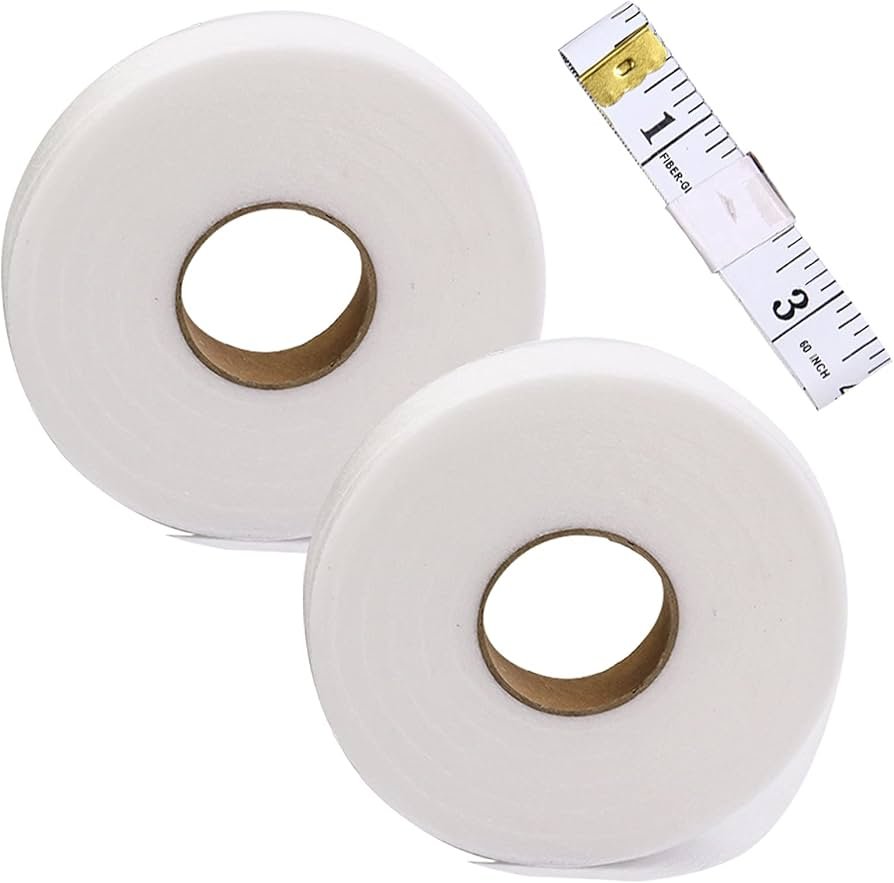
Double-Sided Fusible Hem Tape
Professional-grade double-sided hem tape that creates permanent, washable hems without sewing. Features heat-activated adhesive that bonds securely to most fabric types while maintaining flexibility and durability through multiple wash cycles.
Key Features:
- Heat-activated fusible adhesive
- Double-sided bonding for secure hems
- Machine washable and dry cleanable
- Works on cotton, polyester, and blends
- Available in multiple widths
- Clear instructions included
- Professional finish results
- No fraying or peeling
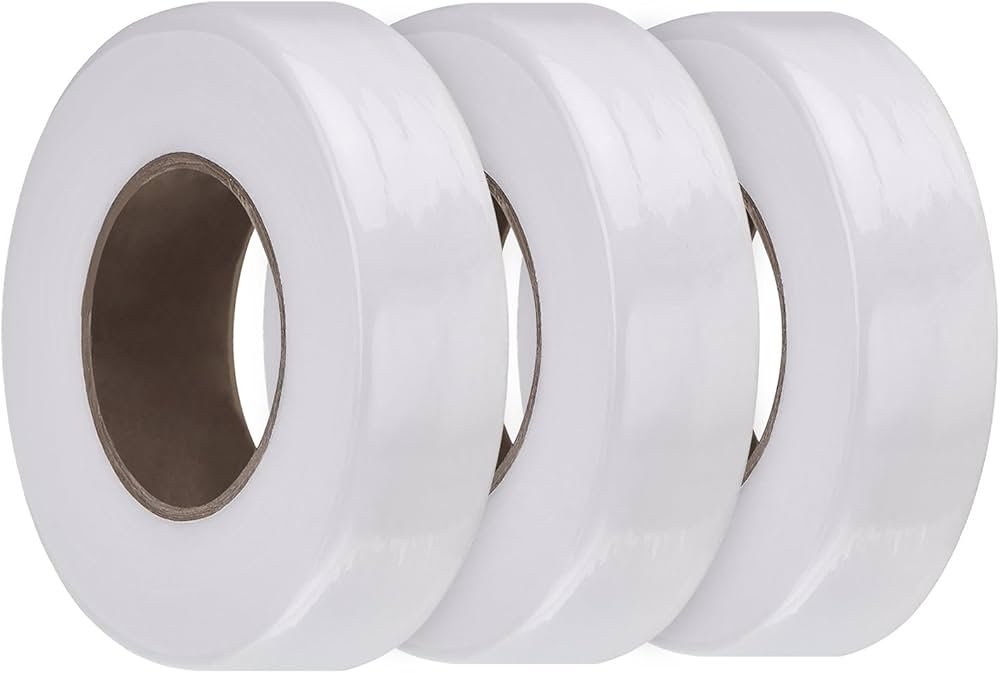
Lightweight Fusible Web Hem Tape
Ultra-thin hem tape designed for delicate fabrics and lightweight materials. This specialized fusion tape provides invisible hemming solutions for curtains, clothing, and craft projects while preserving the natural drape and feel of fine fabrics.
Key Features:
- Ultra-thin profile for invisible hems
- Ideal for delicate and sheer fabrics
- Low-temperature application
- Maintains fabric drape and flexibility
- Won’t show through lightweight materials
- Easy release paper backing
- Perfect for curtains and formal wear
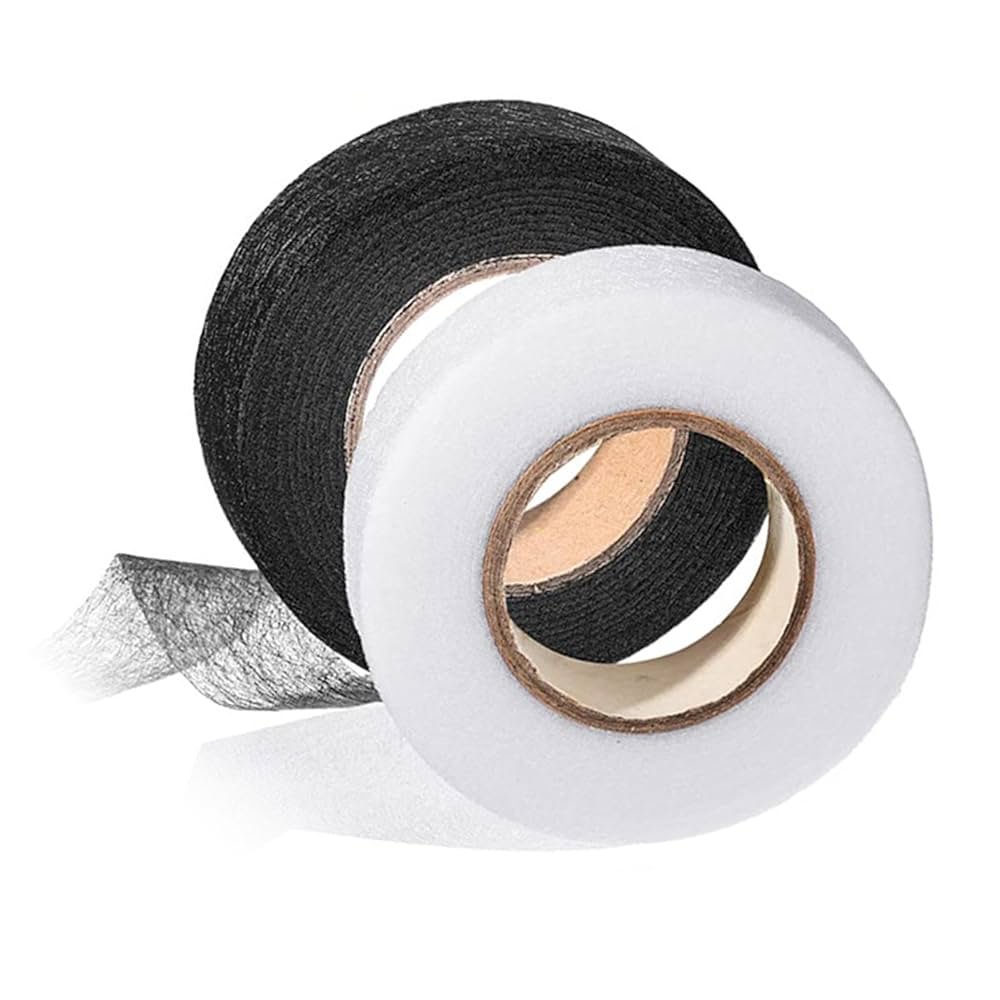
Heavy-Duty Iron-On Hem Tape
Extra-strong hem tape engineered for heavy fabrics like denim, canvas, and upholstery materials. This robust fusion tape creates industrial-strength bonds that withstand frequent washing and heavy use while providing clean, professional-looking hems.
Key Features:
- Extra-strong adhesive for heavy fabrics
- Works on denim, canvas, and upholstery
- High-temperature bonding capability
- Resists frequent washing and wear
- Wide tape width for stability
- Industrial-strength hold
- Ideal for home décor projects
- Long-lasting durability
What is No-Sew Hem Tape and How Does It Work
No-sew hem tape, also known as fusion tape, is a revolutionary hemming solution that eliminates the need for traditional stitching. This innovative product consists of a thin strip of heat-activated adhesive that bonds fabric layers together when heated with an iron.
The magic of hem tape lies in its thermoplastic adhesive coating that melts under heat and pressure, then cools to form a permanent bond between fabric layers. When you apply heat using a household iron, the adhesive activates and penetrates the fabric fibers, creating a secure connection that rivals traditional sewn hems in durability.
Unlike temporary fabric adhesives, quality hem tape creates washable, dry-cleanable bonds that maintain their strength through repeated laundering. The adhesive is specifically formulated to remain flexible after cooling, ensuring your hems move naturally with the fabric and don’t create stiff, uncomfortable edges.
Types of Hem Tape Available
Double-sided hem tape features adhesive on both surfaces, making it ideal for folded hems where you need to secure multiple fabric layers. This type works perfectly for pants, skirts, and curtains where you fold the fabric edge before applying the tape.
Single-sided hem tape has adhesive on only one surface and works best for binding raw edges or applying trim. This variety is excellent for craft projects, appliqués, and decorative hemming applications where you’re attaching one piece to another.
Fusible web hem tape offers the strongest bond and comes in various weights for different fabric types. Lightweight versions work beautifully with delicate fabrics, while heavy-duty options tackle tough materials like denim and canvas.
Step-by-Step Application Guide for Perfect Hem Tape Results
Successful hem tape application requires proper preparation and technique to achieve professional-looking results. Start by cleaning your fabric and ensuring it’s completely dry, as moisture can interfere with the adhesive bonding process.
Measure and mark your desired hem length carefully, using a fabric ruler or measuring tape for accuracy. Cut the hem tape to match the width of your fabric, leaving about half an inch extra on each end for a secure finish.
Preparing Your Workspace
Set your iron to the temperature recommended on the hem tape packaging, typically between medium and high heat. Most hem tape requires temperatures between 300-350°F for proper activation, but always check the manufacturer’s instructions.
Place a pressing cloth or parchment paper over your work area to protect both your ironing surface and the fabric. This barrier prevents adhesive residue from transferring to unwanted areas and makes cleanup easier.
Application Process
Position the hem tape between your fabric layers, ensuring it’s centered and smooth without wrinkles or bubbles. For folded hems, place the tape along the fold line before creasing the fabric over it.
Apply firm, steady pressure with your iron for 10-15 seconds per section, overlapping slightly as you move along the hem. Avoid sliding the iron, as this can shift the tape and create uneven bonding.
Allow the hem to cool completely before handling, as the adhesive continues to cure during the cooling process. This cooling period is crucial for achieving maximum bond strength and durability.
Fabric Compatibility and Hem Tape Selection Tips
Different fabrics require specific hem tape formulations for optimal results. Natural fibers like cotton and linen work exceptionally well with most hem tape varieties due to their stable structure and heat tolerance.
Synthetic fabrics such as polyester and nylon may require lower-temperature hem tape formulations to prevent fabric damage. Always test a small, inconspicuous area first to ensure compatibility and prevent unwanted fabric changes.
Working with Delicate Fabrics
Silk, chiffon, and other delicate materials need ultra-lightweight hem tape with low-temperature activation. These specialized tapes prevent fabric puckering and maintain the natural drape of fine fabrics.
For stretch fabrics like jersey or spandex blends, choose hem tape specifically designed for knits. These formulations remain flexible after bonding and move with the fabric’s natural stretch without breaking or creating rigid areas.
Heavy Fabric Considerations
Denim, canvas, and upholstery fabrics require heavy-duty hem tape with stronger adhesive formulations. These materials can handle higher heat applications and need the extra bonding strength to secure thick fabric layers.
When working with very heavy fabrics, consider using wider hem tape for increased surface contact and stronger overall bond. The additional width distributes stress across a larger area, preventing separation under strain.
Common Projects and Creative Applications for Hem Tape
Hem tape excels in countless sewing and crafting applications beyond basic hemming. Clothing alterations become quick and easy, allowing you to adjust pants length, skirt hems, and sleeve lengths without threading a needle.
Home décor projects benefit tremendously from no-sew hem tape applications. Curtain hemming becomes a breeze, especially for large panels where traditional sewing would be time-consuming and cumbersome.
Fashion and Clothing Applications
Emergency clothing repairs gain new possibilities with hem tape in your toolkit. Dropped hems, torn seams, and loose linings can often be quickly repaired using appropriate hem tape applications.
Costume creation and theatrical applications frequently rely on hem tape for quick construction and easy modifications. The ability to create temporary or permanent bonds makes it invaluable for productions requiring frequent costume changes.
Craft and DIY Projects
Quilting projects can incorporate hem tape for binding edges and securing layers without traditional stitching. This technique is particularly useful for wall hangings and decorative pieces where hand-stitching might be impractical.
Bag making and accessory construction often benefit from strategic hem tape use, especially for internal seams and pocket construction where traditional sewing might create bulk.
Troubleshooting and Professional Tips for Hem Tape Success
Even experienced crafters occasionally encounter challenges when working with hem tape. Understanding common issues and their solutions helps ensure consistent, professional results with every project.
Poor adhesion often results from insufficient heat, inadequate pressure, or contaminated fabric surfaces. Pre-wash fabrics to remove sizing and finishes that might interfere with bonding, and ensure your iron reaches the proper temperature.
Preventing Common Mistakes
Overheating can damage both the hem tape and your fabric, creating shiny spots or fabric distortion. Use a pressing cloth and monitor your iron’s temperature carefully, especially when working with synthetic materials.
Uneven application creates weak spots that may fail over time. Work methodically, applying consistent pressure and heat across the entire hem length. Take your time to ensure complete coverage.
Achieving Professional Results
Press from both sides when possible to ensure complete adhesive activation throughout the bond line. This double-sided pressing technique creates stronger, more durable hems that withstand repeated washing and wear.
Allow adequate cooling time before handling finished hems. Rushing this step can compromise bond strength and lead to premature failure. Plan your workflow to accommodate proper cooling periods.
Care and Maintenance of Items with Hem Tape
Proper care ensures long-lasting results from your hem tape applications. Most quality hem tape creates bonds that withstand normal washing and drying cycles, but following care guidelines maximizes durability.
Wash items with hem tape in cool to warm water using standard laundry detergent. Avoid bleach and harsh chemicals that might compromise the adhesive bond over time.
Washing and Drying Guidelines
Turn garments inside out before washing to protect the hem tape from direct agitation. This simple step reduces stress on the bond line and extends the life of your no-sew hems.
Use moderate dryer heat settings rather than high heat, which can potentially soften and weaken adhesive bonds. Air drying is always the gentlest option for items with extensive hem tape applications.
Long-term Maintenance
Inspect hem tape applications periodically for signs of lifting or separation. Early detection allows for easy repairs before problems worsen and require more extensive fixes.
Store items with hem tape applications properly, avoiding excessive folding along hem lines that might stress the adhesive bond. Hanging storage is ideal when possible for garments with hemmed edges.
Frequently Asked Questions
Transform Your Hemming Projects with No-Sew Hem Tape
No-sew hem tape revolutionizes traditional hemming by offering a quick, reliable alternative to time-consuming hand or machine stitching. Whether you’re tackling emergency clothing repairs, creating professional home décor, or working on creative craft projects, hem tape provides the versatility and durability you need for outstanding results.
The key to hem tape success lies in selecting the right product for your specific fabric and application, then following proper preparation and application techniques. With practice, you’ll achieve professional-looking hems that rival traditional sewn results while saving significant time and effort.
From delicate silk curtains to heavy denim alterations, the right hem tape formulation can handle virtually any hemming challenge you encounter. The convenience of no-sew solutions opens up new possibilities for quick projects, last-minute alterations, and creative applications that would be impractical with traditional sewing methods.
Invest in quality hem tape products and take time to master proper application techniques – your future self will thank you when facing hemming projects that once seemed daunting. With hem tape in your crafting toolkit, professional results are always within reach, regardless of your sewing skill level.