
Rotary Cutter Guide: Everything You Need to Know About Fabric Cutting Wheels and Blades
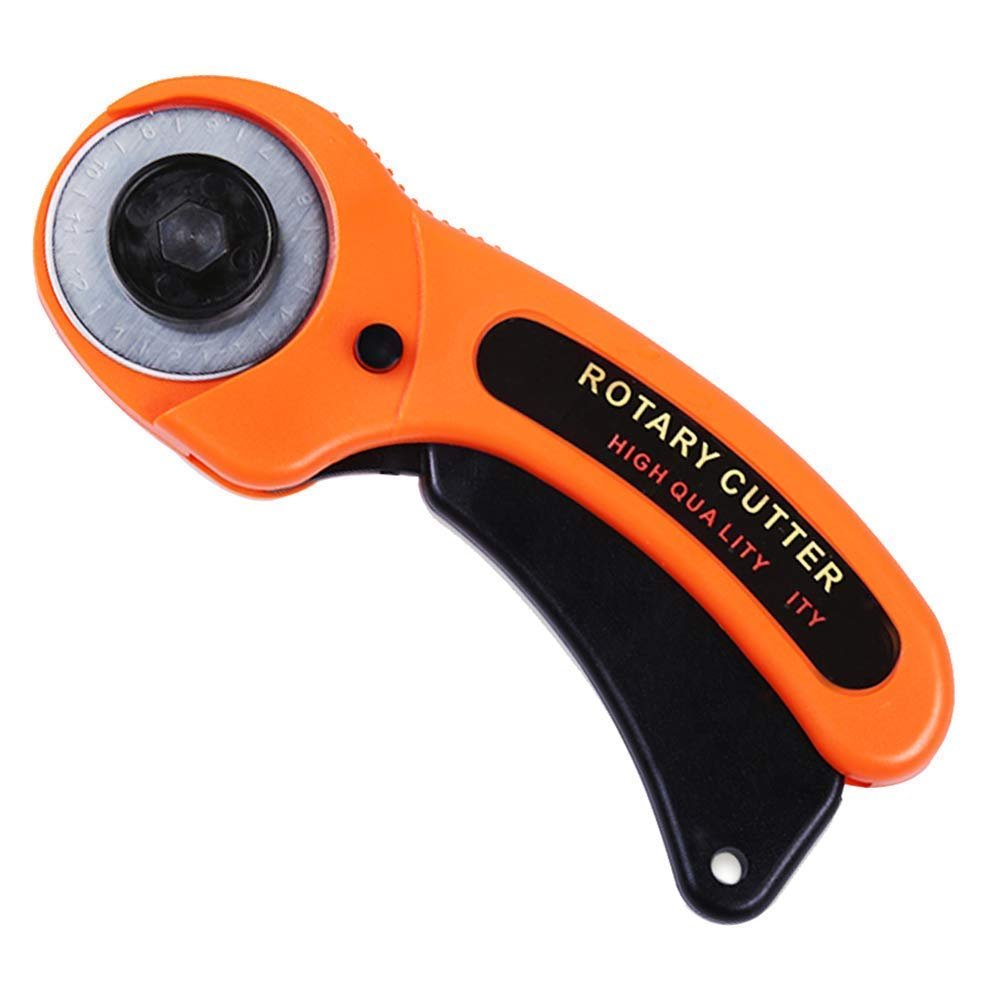
45mm Professional Rotary Cutter with Ergonomic Handle
This premium rotary cutter features a comfortable ergonomic grip and sharp 45mm blade perfect for cutting multiple fabric layers. The safety lock mechanism and smooth rolling action make it ideal for quilters and sewists of all skill levels working on medium to large projects.
Key Features:
- Ergonomic soft-grip handle reduces hand fatigue
- 45mm replacement blade cuts up to 8 fabric layers
- Safety lock prevents accidental cuts
- Smooth rolling action for precise cuts
- Compatible with all major cutting mats
- Durable construction for long-lasting use
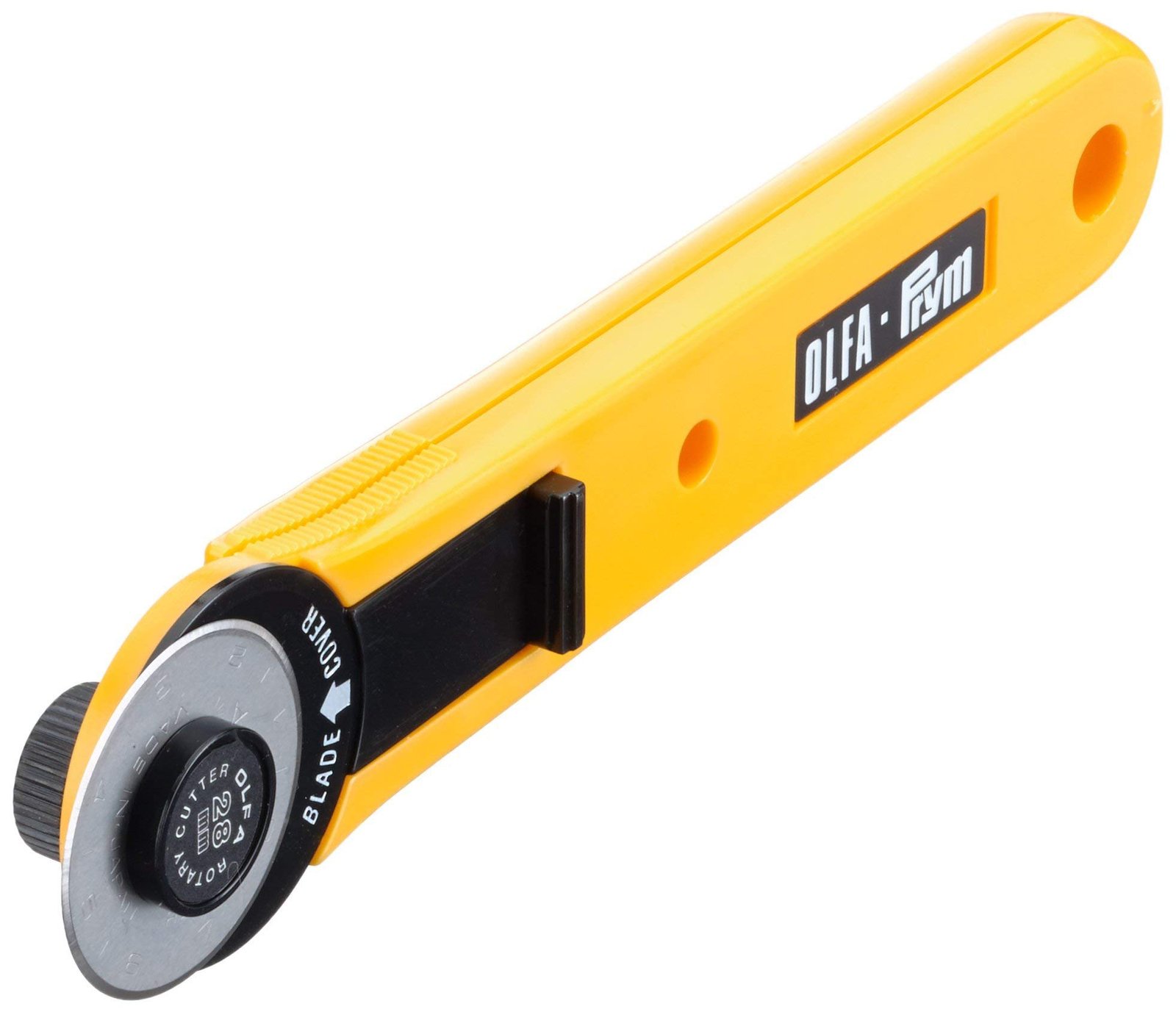
28mm Mini Rotary Cutter for Detail Work
Compact and precise, this mini rotary cutter excels at detailed cutting tasks and curved seams. The smaller 28mm blade provides exceptional control for intricate quilting patterns, appliqué work, and tight corners where larger cutters can’t reach effectively.
Key Features:
- Compact size perfect for detailed cutting
- 28mm blade ideal for curves and corners
- Lightweight design reduces wrist strain
- Precise cutting control for intricate work
- Easy blade replacement system
- Non-slip grip for steady handling
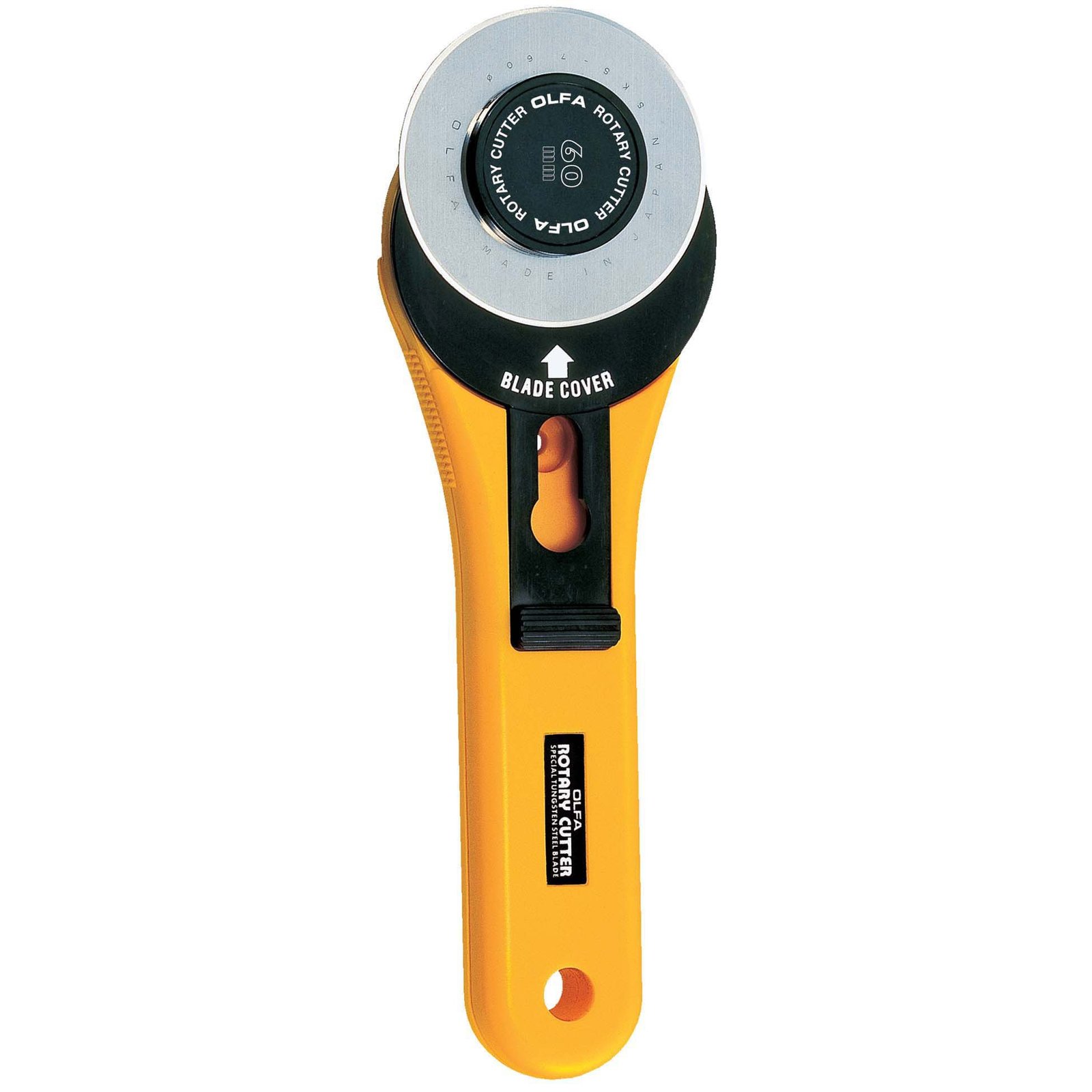
60mm Heavy-Duty Rotary Cutter
Built for serious quilters and large projects, this heavy-duty rotary cutter handles thick batting and multiple fabric layers with ease. The extra-large 60mm blade cuts through heavy materials while maintaining razor-sharp precision for professional results every time.
Key Features:
- 60mm blade cuts through thick batting easily
- Heavy-duty construction for professional use
- Cuts up to 12 fabric layers simultaneously
- Balanced weight distribution for control
- Quick-change blade replacement
- Suitable for fleece, denim, and heavy fabrics
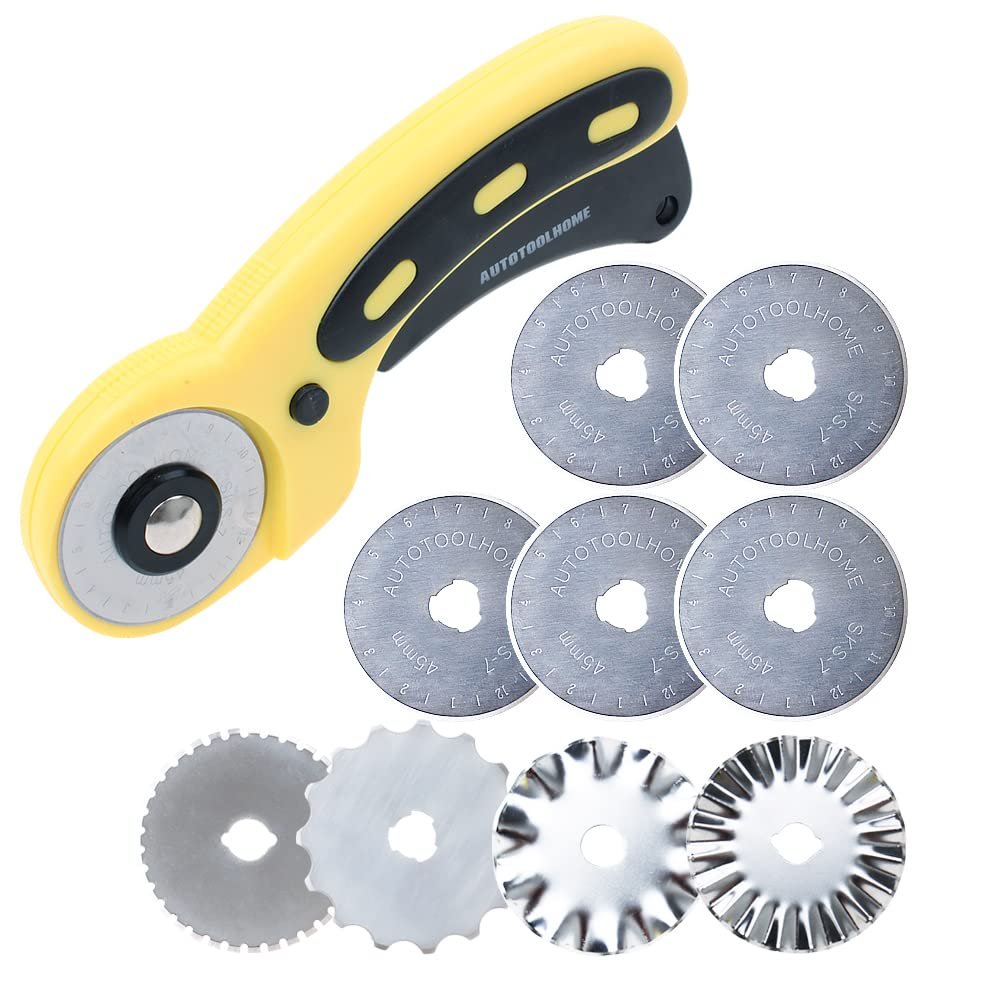
Replacement Rotary Cutter Blade Set – Mixed Sizes
Keep your rotary cutter performing at its best with this comprehensive blade replacement set. Includes sharp, precision-ground blades in multiple sizes to fit various cutter models, ensuring clean cuts and extended tool life for all your fabric cutting needs.
Key Features:
- Multiple blade sizes for different cutters
- Precision-ground edges for clean cuts
- Long-lasting sharpness retention
- Easy installation and removal
- Compatible with major rotary cutter brands
- Protective storage case included
What Is a Rotary Cutter and Why Every Quilter Needs One
A rotary cutter is an essential fabric cutting tool that features a circular blade mounted on a handle, designed to roll smoothly across fabric for precise, clean cuts. Unlike traditional scissors, a rotary cutter can slice through multiple layers of fabric simultaneously while maintaining straight, accurate lines.
The circular blade of a rotary cutter stays sharper longer than scissors and creates less drag on fabric, preventing bunching or shifting during cutting. This makes it the preferred tool for quilters, sewists, and crafters who work with large quantities of fabric or need precision cuts for complex patterns.
Why Choose a Rotary Cutter Over Scissors
Rotary cutters offer significant advantages over traditional fabric scissors in both speed and accuracy. The rolling motion allows you to cut long, continuous lines without lifting the blade, resulting in smoother edges and faster project completion.
The ability to cut multiple fabric layers simultaneously saves considerable time when preparing quilt pieces or cutting identical pattern pieces. A sharp rotary cutter can easily handle 6-8 layers of cotton fabric, making it invaluable for batch cutting and production quilting.
Essential Components of Every Rotary Cutter
Every rotary cutter consists of a handle, blade guard, circular blade, and locking mechanism for safety. The handle design varies from basic plastic to ergonomic soft-grip versions that reduce hand fatigue during extended cutting sessions.
The blade guard protects both the user and the blade when not in use, while the locking mechanism prevents accidental blade exposure. Quality rotary cutters feature smooth-operating mechanisms that engage easily with one hand while maintaining secure blade protection.
Rotary Cutter Blade Sizes and Their Best Uses
Rotary cutter blades come in several standard sizes, with 28mm, 45mm, and 60mm being the most common options for fabric cutting. Each size serves specific purposes and excels in different cutting scenarios, making blade selection crucial for optimal results.
The 28mm rotary cutter blade is perfect for detailed work, curved cuts, and navigating tight corners in appliqué projects. Its smaller size provides exceptional control and maneuverability, making it ideal for intricate quilting patterns and delicate fabric work.
45mm Blades: The Perfect All-Purpose Choice
The 45mm blade represents the sweet spot for most quilting and sewing projects, offering versatility and performance for general fabric cutting needs. This size handles straight cuts, gentle curves, and multiple fabric layers with equal proficiency.
Most quilters find the 45mm rotary cutter blade suitable for 90% of their cutting tasks, from cutting strips and squares to trimming blocks and cutting binding strips. It’s powerful enough for multiple layers yet controlled enough for precise work.
60mm Blades for Heavy-Duty Cutting
When working with thick batting, fleece, or multiple layers of heavy fabric, a 60mm rotary cutter blade provides the cutting power needed for clean results. The larger blade diameter generates more cutting force and maintains momentum through resistant materials.
Professional quilters and those working on large projects often prefer 60mm blades for their ability to cut through 10-12 fabric layers simultaneously. The increased blade size also stays sharper longer when cutting abrasive materials like interfacing or stabilizers.
Essential Rotary Cutter Safety Tips and Best Practices
Safety should always be the top priority when using a rotary cutter, as the extremely sharp blade can cause serious injury if handled improperly. Developing good safety habits from the beginning ensures years of safe, productive cutting.
Always engage the safety lock immediately after completing each cut, never leave a rotary cutter with an exposed blade unattended. The blade should only be exposed while actively cutting, and the cutter should be stored safely away from children and pets.
Proper Cutting Technique for Safety and Accuracy
Always cut away from your body, keeping fingers and hands clear of the blade path at all times. Use a ruler or straight edge as a guide, positioning your non-cutting hand firmly on the ruler while maintaining finger placement away from the cutting edge.
Maintain steady, even pressure while rolling the rotary cutter along the ruler edge, allowing the blade to do the work rather than forcing it through the fabric. Rushing or applying excessive pressure can cause the blade to skip or the ruler to shift, resulting in inaccurate cuts or injury.
Creating a Safe Cutting Environment
Use your rotary cutter only on appropriate cutting mats designed to protect both the blade and your work surface. A quality cutting mat prevents blade dulling and provides the proper surface resistance for clean cuts.
Ensure adequate lighting and a comfortable working height to maintain good visibility and posture while cutting. Poor lighting or awkward positioning can lead to cutting errors and increase the risk of accidents during extended cutting sessions.
Maintaining Your Rotary Cutter for Peak Performance
Regular maintenance keeps your rotary cutter performing at its best and extends the life of both the tool and its blades. Simple cleaning and care procedures ensure smooth operation and prevent common problems that can affect cutting quality.
Clean fabric lint and thread from the blade area regularly, as buildup can impede blade rotation and cause skipping during cuts. Use a small brush or compressed air to remove debris from hard-to-reach areas around the blade assembly.
When and How to Replace Rotary Cutter Blades
Replace your rotary cutter blade when it begins skipping threads, requiring excessive pressure, or leaving frayed fabric edges. A sharp blade should cut cleanly through fabric with minimal pressure and smooth, continuous motion.
Blade replacement procedures vary by manufacturer, but most rotary cutters feature simple systems that allow quick blade changes without tools. Always engage the safety lock and handle replacement blades carefully by their edges to avoid cuts and maintain sharpness.
Proper Storage and Blade Care
Store your rotary cutter with the blade locked and protected from impacts that could chip or dull the cutting edge. Many rotary cutters include protective covers or can be stored in dedicated tool cases.
Keep replacement blades in their original packaging or protective cases to prevent damage and maintain sharpness. Proper storage prevents accidental dulling and ensures replacement blades perform optimally when installed in your rotary cutter.
Choosing the Right Cutting Mat and Rulers for Your Rotary Cutter
A rotary cutter performs best when paired with appropriate cutting mats and rulers designed for fabric cutting. The cutting mat provides the proper surface for blade protection and cutting accuracy, while rulers ensure straight, measured cuts.
Self-healing cutting mats are essential for rotary cutter use, as they close up after cutting and provide years of service. Choose a mat size appropriate for your typical projects, with larger mats offering more flexibility for big quilting projects.
Essential Ruler Types for Rotary Cutting
Acrylic quilting rulers with clear markings and non-slip backing work best with rotary cutters, providing visibility and stability during cutting. Standard 6″ x 24″ rulers handle most cutting tasks, while square rulers excel for cutting blocks and squaring up fabric.
Specialty rulers designed for specific cutting tasks can improve accuracy and speed for repetitive cuts. Triangle rulers, curve rulers, and strip cutting rulers expand your rotary cutter’s versatility for complex quilting projects.
Setting Up Your Cutting Station
Position your cutting mat at a comfortable working height to reduce back strain and improve cutting control. Good lighting from multiple angles eliminates shadows and ensures accurate ruler placement and cutting lines.
Organize frequently used rulers and rotary cutter accessories within easy reach of your cutting area. An efficient setup reduces fatigue and allows you to focus on accurate cutting rather than searching for tools.
Advanced Rotary Cutter Techniques for Professional Results
Mastering advanced rotary cutter techniques elevates your quilting and sewing projects from good to professional quality. These methods require practice but produce consistently superior results for complex cutting tasks.
Chain cutting multiple identical pieces saves time and improves consistency when preparing quilt components. Stack identical fabric pieces and cut multiple layers simultaneously, maintaining steady pressure and blade speed throughout the cut.
Cutting Curves and Angles with Precision
While rotary cutters excel at straight cuts, they can also handle gentle curves and angled cuts with proper technique. Use specialty curved rulers or create templates for consistent curved cuts across multiple fabric pieces.
For angled cuts, position your ruler carefully and make confident, steady passes with your rotary cutter. Multiple shallow cuts often produce better results than attempting to cut through thick layers in a single pass.
Troubleshooting Common Cutting Problems
When your rotary cutter begins skipping threads or producing ragged cuts, the blade likely needs replacement or the cutting technique requires adjustment. Dull blades create more problems than they solve and can damage expensive fabrics.
If fabric shifts during cutting, ensure your cutting mat provides adequate grip and your ruler has proper non-slip features. Maintaining consistent pressure on both the ruler and rotary cutter prevents shifting and ensures accurate cuts.
Frequently Asked Questions
Transform Your Fabric Cutting with the Right Rotary Cutter
Investing in a quality rotary cutter revolutionizes your quilting and sewing experience, providing the precision, speed, and versatility needed for professional results. Whether you choose a compact 28mm model for detail work, a versatile 45mm rotary cutter for general use, or a heavy-duty 60mm version for large projects, the right tool makes every cutting task more efficient and enjoyable.
The key to rotary cutter success lies in understanding blade sizes, maintaining proper safety practices, and keeping your equipment in optimal condition. Regular blade replacement, proper storage, and pairing your rotary cutter with appropriate mats and rulers ensure years of reliable performance and consistently excellent results.
Remember that technique development takes time and practice, so start with basic straight cuts and gradually progress to more complex cutting tasks as your confidence grows. With proper care and technique, your rotary cutter will become an indispensable part of your quilting and sewing toolkit, enabling you to tackle ambitious projects with confidence and precision.
Explore our complete selection of rotary cutters, replacement blades, and cutting accessories to find the perfect tools for your creative projects. From beginner-friendly options to professional-grade equipment, we have everything you need to elevate your fabric cutting game and bring your quilting visions to life.